Well Drilling • Private Water Supply • Rural Land Development

Connect With Local Experts

(719) 695-7224

⭐ Private Well Drilling • Rural Water Wells • Residential Water Supply • Well Site Preparation • Well Drilling Access • Well & Septic Coordination • Off Grid Water Systems • Cabin & Homestead Water Supply • Rural Land Development Across Costilla County

Well Drilling & Private Water Wells in Costilla County, Colorado

Rural homes, cabins, homesteads, and undeveloped properties in Costilla County often depend on a private water supply. Well development can involve planning the well location, coordinating drilling access, preparing the site, connecting water infrastructure, and integrating the water supply with the future homesite, septic system, utilities, driveway, and other rural improvements. Costilla County Land Services provides well site preparation, excavation, access, and rural water infrastructure support for residential and off grid properties throughout Costilla County.

Serving San Luis, Fort Garland, Blanca, San Acacio, San Francisco, and rural properties throughout Costilla County and the surrounding San Luis Valley.

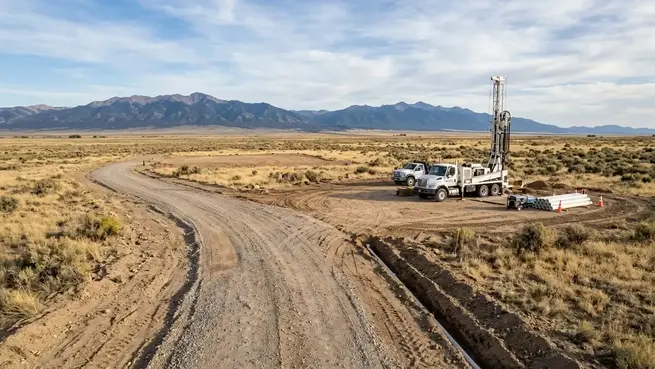
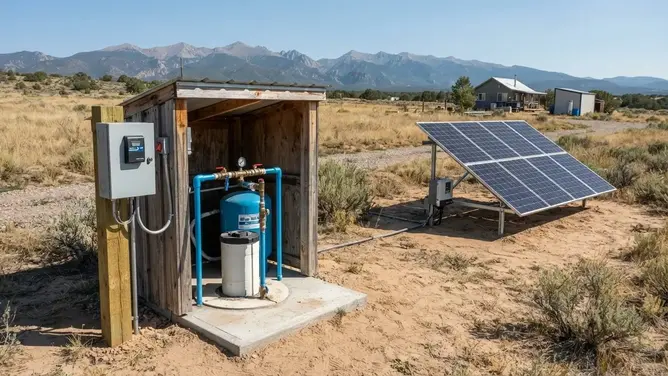
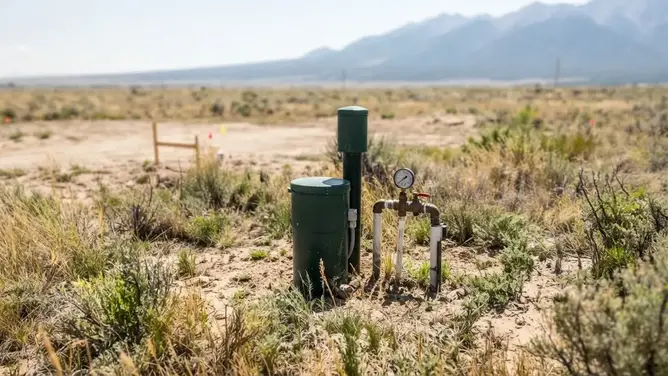
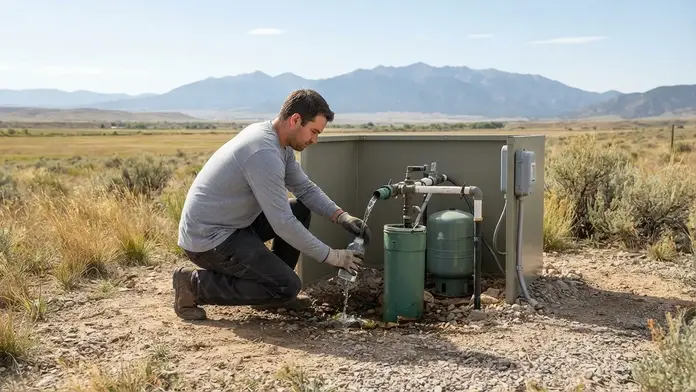
Private well drilling and rural water supply development on acreage in Costilla County Colorado
Private Well Site Planning & Preparation Preparing rural properties for private water wells with site access, equipment staging, excavation, grading, and practical well site planning coordinated around the proposed homesite and surrounding property improvements.
Well Drilling Access & Excavation Supporting the earthwork and access requirements associated with well drilling, including driveway access, equipment staging areas, excavation, grading, and restoration around the well site after drilling activities are completed.
Private Water Infrastructure Coordinating the site work associated with private water systems, including well access, water line routing, utility trenches, pressure equipment areas, storage components, and connections serving rural homes, cabins, and other developed properties.
Well, Septic & Off Grid Development Integrating well related site work with septic planning, house pads, driveways, solar systems, utility corridors, drainage, and future improvements when developing rural homesites, homesteads, cabins, and off grid properties.

Well Drilling & Private Water Supply Development in Costilla County, Colorado

Developing a private water supply on rural property involves much more than drilling a hole in the ground. The proposed well location needs to fit the property's homesite, septic system, driveway, utilities, access, drainage, and other planned improvements. For undeveloped Costilla County acreage, well planning can be an important part of determining how a future home, cabin, homestead, or off grid property will be organized.

A private well project can involve multiple stages, including property planning, well site selection, applicable well requirements, drilling access, equipment staging, well construction, pumping equipment, water lines, electrical connections, testing, excavation, backfilling, and restoration. The specific well and water system requirements depend on the property, proposed use, well design, and applicable Colorado requirements. Planning the water supply before major construction begins can help identify site constraints and reduce conflicts with septic systems, driveways, house pads, utilities, drainage, and other permanent improvements.

  • Well Site Planning:
    Private well planning begins with understanding the property and its intended use. The proposed homesite, available space, access, surrounding improvements, septic location, utility routes, drainage, and other site conditions can all influence where the well and related infrastructure are planned.
  • Private Well Location:
    The well location should be considered as part of the complete property layout rather than treated as an isolated improvement. The proposed well, homesite, septic system, driveway, utility corridors, outbuildings, and future development areas should be coordinated before permanent construction begins.
  • Well Requirements & Project Planning:
    Private water wells are subject to applicable Colorado requirements and project specific considerations. Well construction, permitting, documentation, testing, and other regulated activities should be handled by the appropriately qualified professionals responsible for the water system.
  • Well Site Excavation & Preparation:
    Preparing a property for well drilling may require clearing, grading, excavation, access improvements, equipment staging, or other earthwork. The amount of preparation depends on the existing property conditions and how drilling equipment needs to reach the proposed well location. Related work may include excavation and site preparation, land clearing, or land grading and leveling.
  • Drilling Equipment Access:
    Well drilling equipment needs practical access to the selected drilling location. Existing driveways, private roads, gates, vegetation, grades, soft ground, and property layout can affect equipment access and may require site preparation before drilling begins. If the existing entrance or approach needs improvement, see our driveway and access road grading services and gravel delivery services.
  • Driveway & Well Access:
    A rural well may be located some distance from the main property entrance or future homesite. Driveway and access-road planning should account for drilling equipment during construction as well as practical access for future water system work and property development.
  • Well & Septic Coordination:
    Rural properties may depend on both a private water well and an onsite wastewater system. Their locations should be planned together with the property layout and applicable requirements so the water supply, wastewater system, homesite, and surrounding improvements work together. Learn more about septic system installation in Costilla County when planning the location of both systems and the future homesite.
  • Well & Homesite Planning:
    The future home or cabin and its private water supply should be considered together during property planning. Well location, house pad excavation, septic placement, utility routes, driveway access, and future buildings can all influence how the homesite is organized. For related site work, see our house pad preparation services and broader off-grid land preparation for rural property development.
  • Water Line Trenching:
    After the water source is developed, connecting the well to a home, cabin, storage component, or other improvement may require underground water line excavation. Trench routing should be coordinated with utilities, driveways, septic components, drainage, and future improvements. See our utility trenching services for related underground infrastructure preparation.
  • Pump & Electrical Coordination:
    A private water system may require pumping equipment, electrical connections, controls, pressure equipment, or other supporting infrastructure. The locations of these components should be considered alongside the well, building, utility routes, and available power source.
  • Drainage & Well Site Protection:
    Surface water movement should be considered around the well and supporting infrastructure. Grading, runoff, driveway drainage, construction disturbance, and other site improvements should be planned so the completed water system area is incorporated into the broader property layout.
  • Off Grid Water Systems:
    Off grid homes, cabins, and homesteads may combine a private well with solar power, battery storage, water storage, septic, and other independent infrastructure. Well development should be coordinated with the larger off grid system rather than treated as a standalone project. For properties combining independent water and power infrastructure, see our off grid solar site preparation information.
  • Rural Water Infrastructure:
    A private well can be one part of a larger rural water system involving pumps, water lines, storage, pressure equipment, electrical service, treatment components, and connections to the property's buildings. Planning these components together can help establish a practical installation sequence.
  • Well & Rural Land Development:
    Well development may be one phase of a larger project involving land clearing, excavation, grading, driveway construction, house pad preparation, septic installation, utility trenching, solar systems, drainage improvements, and other rural construction work. Explore our off grid land preparation services for projects that coordinate multiple improvements across undeveloped acreage.

Plan the Private Water Supply Before Major Site Work

One of the most important parts of developing rural property is understanding where the private water supply fits before permanent improvements are constructed. A driveway, house pad, septic system, utility corridor, outbuilding, or drainage improvement placed without considering the well location can create conflicts later. Establishing the overall property plan early can help preserve practical access to the proposed well site and supporting water infrastructure.

The well project itself also depends on the property and intended use. Well location, drilling access, proposed water demand, site layout, pumping requirements, electrical availability, water line routing, septic placement, and future development can all affect how the water system is designed and installed. Applicable well requirements, permitting, construction, testing, and other regulated work should be addressed through the appropriate authorities and qualified professionals before construction proceeds.

For undeveloped Costilla County property, private well development may be only one part of preparing the land for its intended use. If the project also includes a driveway, grading, house pad, septic system, utility trenching, solar installation, land clearing, or other rural improvements, coordinating those components with the well project can help establish a more practical construction sequence and reduce unnecessary excavation, access problems, or rework.

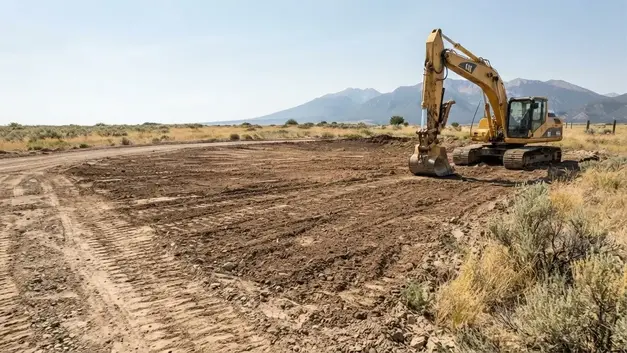
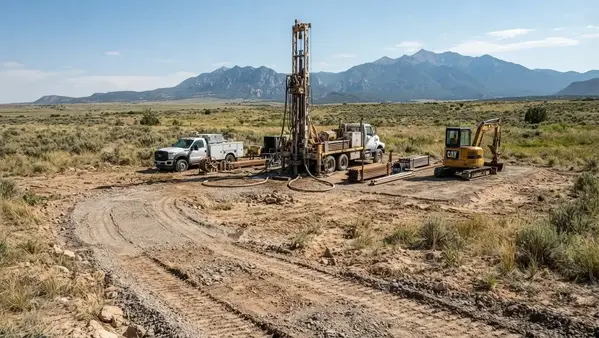
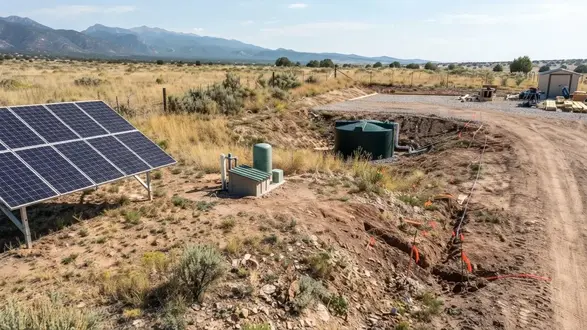
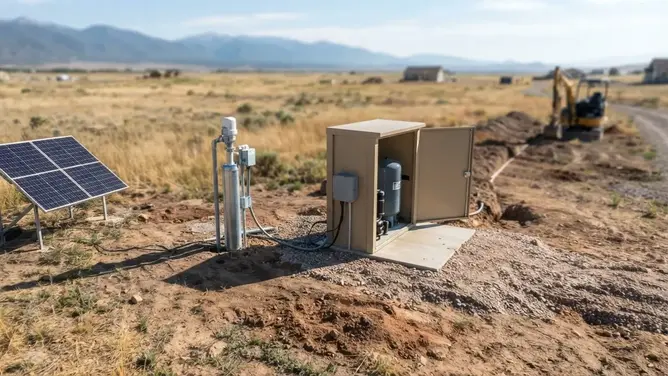
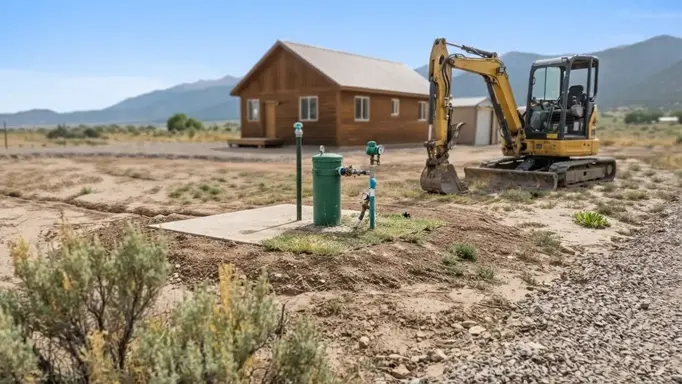
Rural Costilla County property being prepared for private well development with a graded access route and open drilling area

Private well development is part of a larger rural site plan, connecting drilling access, the future homesite, utilities, septic, and supporting infrastructure.

Well Feasibility & Land Due Diligence Before Buying Rural Property in Costilla County

A vacant parcel without an existing well should not automatically be treated as land with a guaranteed future water supply. Before purchasing Costilla County acreage for a home, cabin, homestead, ranch property, or off-grid development, prospective owners should investigate the property's water situation, available well records, applicable requirements, proposed land use, drilling access, septic feasibility, and space for the complete water system.

Colorado Division of Water Resources records can provide useful information about wells and well permits associated with a property or surrounding area. Available records may help establish the history of water development in the area, but a nearby well should not be treated as proof that another parcel will have the same drilling depth, water production, water quality, legal authorization, or development potential. Actual well conditions and project requirements are property specific.

Existing Well Records & Permit History

Start by researching available Colorado well records for the parcel and surrounding area. Existing records may provide information about well locations, permits, reported construction details, drilling history, or other useful indicators when evaluating rural land for future development. For broader parcel research, see our guide to buying land in Costilla County.

Permitted Water Use & Property Purpose

The proposed use of the property matters when evaluating a private water supply. A future full time residence, seasonal cabin, homestead, agricultural property, or other development should not be assumed to have identical water requirements or authorization. Applicable water and well requirements should be confirmed for the intended use.

Potential Well Location

A proposed well location should fit the property's complete development plan. The future home or cabin, septic system, treatment area, driveway, utility corridors, drainage, property boundaries, maintenance access, and future buildings can all influence where the water supply can practically be developed.

Well & Septic Feasibility

A private well and onsite wastewater system need to be evaluated together because both systems require space on the property and have applicable location and separation considerations. Before purchasing rural acreage, determine whether the proposed well, septic system, homesite, driveway, and treatment area can realistically coexist. Review our septic system installation information for additional considerations when planning the property's wastewater system.

Drilling Rig Access

A potential well location is only useful if the required drilling equipment can reach it. Existing roads, private driveways, gates, vegetation, grades, soft ground, turning areas, overhead obstructions, and available staging space can all affect whether a drilling contractor can practically access the proposed well site. Related access work may involve driveway and access-road grading or gravel delivery, depending on the existing approach and equipment requirements.

Future Homesite Compatibility

The well should be considered before the permanent homesite is established. House pad location, finished grades, septic placement, driveway access, utility routes, drainage, and future structures can all affect the property's water system layout and should be considered together during early land planning. See our house pad preparation services for related work at a planned home or cabin location.

Power & Water System Infrastructure

A drilled well is only one component of a private water supply. The complete system may also require pumping equipment, electrical power, controls, pressure equipment, water lines, storage, or other infrastructure. Power availability should be investigated early, especially when evaluating remote or off grid Costilla County property. For remote properties considering solar power, see our off grid solar site preparation page.

Water Line Routing to the Building Site

The distance and route between a proposed well and future home, cabin, or other building can affect project scope. Water line trenches may need to cross driveways, follow utility corridors, avoid septic components, and coordinate with future construction. A well location should therefore be evaluated together with the eventual water line route. Our utility trenching services cover related underground site work considerations.

Property Access & Site Conditions

Rural land can present access and site preparation challenges before drilling equipment ever reaches the well location. Clearing, grading, driveway improvements, excavation, equipment staging, and restoration may be needed depending on the parcel and the drilling contractor's access requirements.

Well Depth, Yield & Water Availability

Nearby wells can provide useful context, but they do not establish what another parcel will encounter. Drilling depth, groundwater conditions, well yield, recovery, and water quality can vary between properties. Land buyers should avoid treating a neighboring well's performance as a guarantee for an undeveloped parcel.

Off-Grid Water Planning

Remote Costilla County properties may need a private well coordinated with solar generation, battery storage, pumping equipment, water storage, septic, and other independent infrastructure. Off-grid planning should account for the complete water and power system rather than treating the well as an isolated improvement.

Future Development & Additional Buildings

Rural acreage may eventually include a residence, cabin, shop, guest space, agricultural improvements, or other structures. Future development should not automatically be assumed to have sufficient water capacity or authorization from the original well plan. The property's long term use should be considered during initial water planning.

Well Feasibility Is More Than Finding a Nearby Well

One of the most common mistakes when evaluating rural acreage is treating a nearby well record as proof that the property itself will have the same water conditions. Existing records can be valuable for research, but they do not guarantee groundwater availability, drilling depth, well yield, water quality, or authorization for a different parcel or intended use.

A better approach is to evaluate the complete development picture: available well information, applicable water and well requirements, proposed well location, drilling access, septic feasibility, future homesite, driveway, utility corridors, power availability, water line routing, drainage, and intended property use. This is particularly important when evaluating undeveloped acreage where major infrastructure has not yet been established.

Costilla County land buyers should also consider whether the parcel can physically accommodate the supporting infrastructure needed after the well is developed. A successful water project may still require access preparation, excavation, grading, water line trenching, electrical work, septic coordination, and additional site development before the property is ready for its intended use.

Before buying rural land: Investigate the property's available well records, intended water use, potential well location, drilling access, septic feasibility, road access, power strategy, and overall homesite layout. A parcel's acreage or the presence of nearby wells does not by itself establish that the property has a practical or guaranteed path to private water.

Important: Well records and neighboring well information are useful due diligence resources, but they are not guarantees of groundwater availability, drilling depth, well yield, water quality, or authorization for a specific use. Well permitting, drilling, well construction, and technical water system requirements should be confirmed with the appropriate Colorado authorities and qualified well professionals for the specific property.

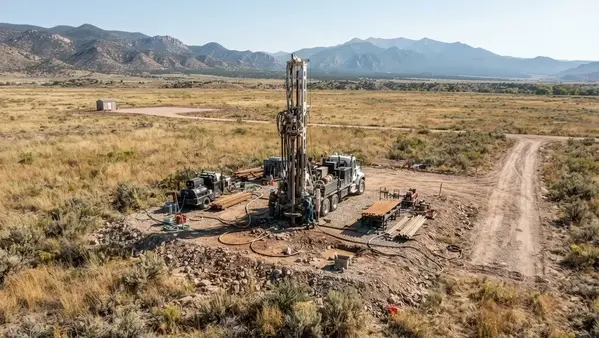
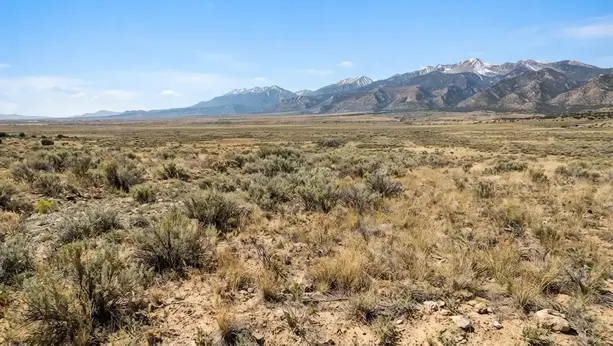
Undeveloped rural acreage in Costilla County with a planned homesite and access route for future private well development

Rural land due diligence should consider the future well, homesite, septic area, access, and utility layout together before permanent improvements are constructed.

How Private Well Development Works on Rural Property in Costilla County

Developing a private water supply on rural Costilla County property is a multi stage process that connects the proposed well location with the property's access, homesite, septic system, utilities, and long term development plan. The drilling itself is only one part of establishing a usable private water system.

1. Evaluate the Property & Water Plan

Well development begins with understanding the property and its intended use. Existing well records, available water information, proposed residential or cabin use, access, septic feasibility, homesite location, and future development should be considered before selecting a final well location or beginning major site work. Property buyers can also review our Costilla County land buying guide when investigating undeveloped acreage.

2. Identify the Proposed Well Location

The proposed well location needs to work within the property's overall layout. The future home or cabin, septic system, driveway, utility corridors, drainage, property improvements, and available maintenance space should all be considered when establishing where the water supply can be developed.

3. Address Applicable Well Requirements

Private well development is subject to Colorado water and well requirements. The appropriate well authorization, documentation, and other regulated requirements should be addressed by the responsible property owner, well professional, or other qualified party before drilling begins.

4. Establish Drilling Equipment Access

Well drilling equipment needs practical access to the proposed drilling location. Existing roads, driveways, gates, vegetation, grades, soft ground, turning space, overhead obstructions, and staging areas can all affect whether the drilling operation can reach the selected site.

5. Prepare the Well Site

Depending on existing property conditions, preparation may involve clearing, grading, excavation, driveway improvements, equipment staging, or other earthwork. The objective is to create practical access and working conditions for the drilling operation while fitting the work into the property's broader development plan. See our land clearing, land grading and leveling, and excavation and site preparation pages for related earthwork.

6. Drill & Construct the Private Well

The qualified well drilling professional performs the specialized drilling and well construction work. Actual drilling depth, construction methods, groundwater conditions, and resulting well characteristics are specific to the property and cannot be guaranteed from nearby wells or general regional information.

7. Install Pump & Supporting Water Infrastructure

Depending on the well and intended water system, the project may also require pumping equipment, electrical service, controls, pressure equipment, storage, treatment components, or other infrastructure. These components should be coordinated with the building, available power, and overall property layout.

8. Connect the Well to the Home or Cabin

Water line installation may require underground trenching between the well and the future building or other water system components. The route should be coordinated with driveways, septic components, electrical and utility corridors, drainage, property grades, and future improvements. Related underground work is covered on our utility trenching services page.

9. Coordinate the Well With the Septic System

Rural properties commonly need both a private water supply and an onsite wastewater system. The well and septic locations should be planned together with the homesite and applicable requirements so that permanent improvements do not create conflicts with either system. See our septic system installation page for related onsite wastewater planning.

10. Integrate the Water Supply With Rural Development

A private well may be one component of a larger rural development project involving a house pad, driveway, utility trenching, septic installation, solar power, water storage, drainage, outbuildings, and other improvements. Coordinating these phases early can help establish a more practical construction sequence. For a broader view of coordinating these improvements, explore our off-grid land preparation services and off-grid solar site preparation.

11. Test & Verify the Completed Water System

Depending on the project, the completed water supply may involve required documentation, testing, pumping-system checks, or water quality evaluation. The responsible well and water system professionals should determine which testing and verification steps apply to the specific property and intended use.

12. Restore the Site & Protect the Well Area

Well related excavation and access work may require backfilling, grading, surface restoration, and cleanup after construction. Completed well infrastructure should remain accessible and protected from future grading, heavy traffic, drainage changes, excavation, and other construction that could interfere with the water system.

The Well Is Only One Part of the Rural Water System

A common rural-property mistake is to think of well development as simply drilling a hole and installing a pump. The well is only one component of the complete water infrastructure. Access, drilling conditions, pumping equipment, electrical service, water lines, storage, treatment, the building connection, and ongoing maintenance access all need to work together.

This is especially important when developing vacant Costilla County acreage. A driveway, house pad, septic system, utility trench, workshop, drainage improvement, or future building can occupy space that may be needed for the well or supporting infrastructure. Establishing the water system layout before major permanent construction can help reduce conflicts and unnecessary excavation later.

The drilling operation itself should be handled by the appropriately qualified and authorized well professionals responsible for the water system. Costilla County Land Services can support the surrounding excavation, access, grading, trenching, equipment staging, and rural land development work that may be required before, during, or after well development.

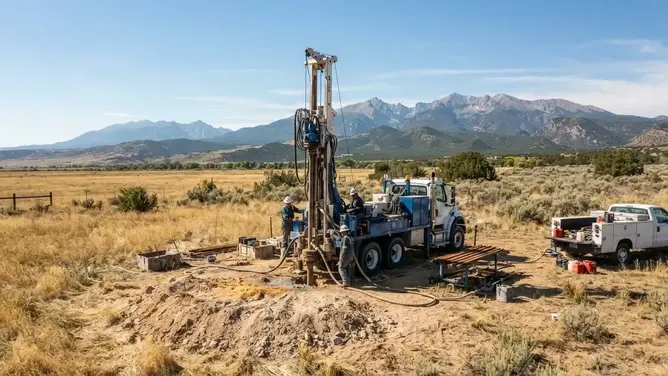
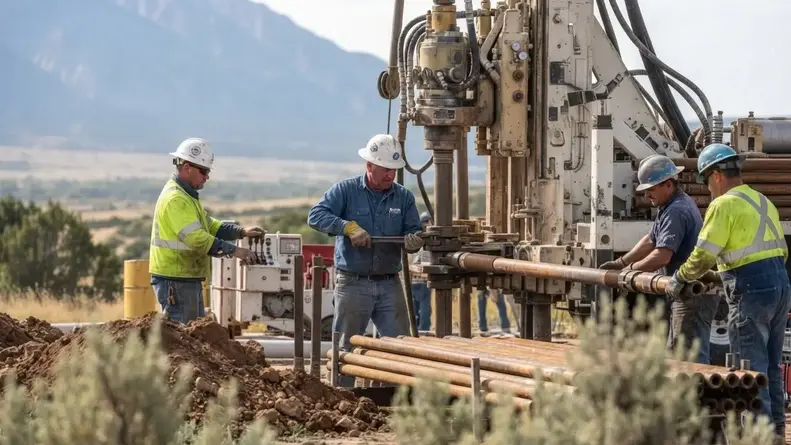
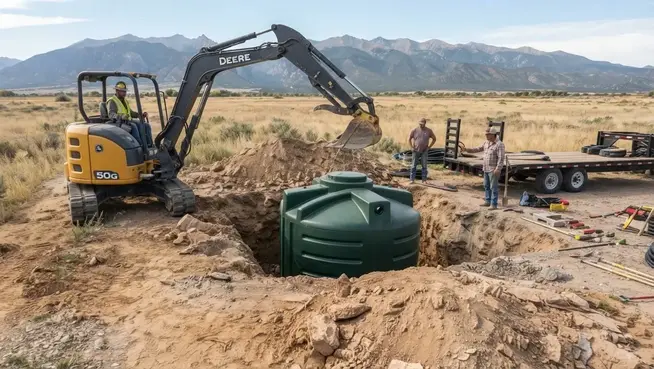
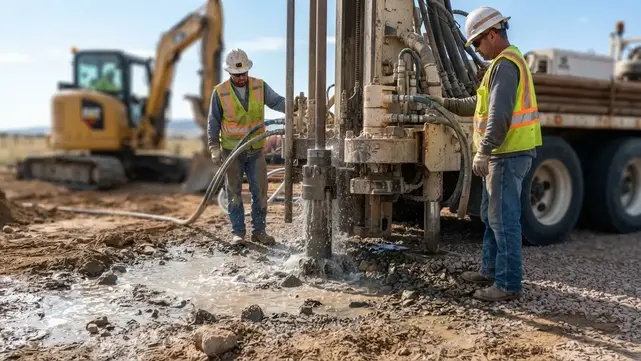
Professional well drilling operation on rural Costilla County property with drilling equipment positioned on a prepared site

Well drilling is one stage of a larger rural water project that also includes site access, equipment staging, pumping infrastructure, water lines, and property development.

Need Access Prepared for a Well Drilling Operation?

Tell us about the existing road or driveway, the proposed drilling location, gates or vegetation that may restrict equipment access, and whether the site needs clearing, grading, excavation, or staging space. Well site preparation can be coordinated with the property's existing terrain, access route, drainage, and other planned improvements.

Call (719) 695-7224

Well Site Planning & Private Well Location Considerations in Costilla County

Selecting a location for a private water well is one of the early decisions that can shape how a rural property is developed. On vacant Costilla County acreage, the proposed well should be considered as part of the complete property layout rather than as an isolated drilling point. The future home or cabin, septic system, driveway, utility corridors, drainage, property boundaries, access, electrical service, water line routing, and long term development plans can all influence where the water supply and supporting infrastructure should be located.

Well site planning also involves more than identifying a convenient location on a property map. The selected site needs to be evaluated in relation to the proposed use of the property, applicable Colorado well requirements, available well information, drilling access, equipment staging, future construction, and the practical requirements of the completed water system. Reviewing these issues is an important part of researching rural land before buying. Existing well records can provide useful information during property due diligence, but nearby wells should not be treated as a guarantee of groundwater depth, production, water quality, or well permit approval on another parcel.

For rural properties near San Luis, Blanca, Fort Garland, San Acacio, San Francisco, Mesita, Chama, and other Costilla County communities, planning the water supply early can be especially useful when the property is still undeveloped. Costilla County's residential development guidance specifically addresses road access, minor development permits, trenching and excavation, cisterns, and well drilling, with a Colorado state well permit also required for well drilling. The exact requirements applicable to a particular parcel should be confirmed before construction begins.

Existing Well Records & Property Research

Before planning a new well, review available information for the property and nearby wells when practical. Colorado's Division of Water Resources provides well-permit and well-record search tools that can help identify existing permits, allowable uses, construction information, and other available records. These records are useful for due diligence but do not guarantee the same result on a different parcel.

Parcel Boundaries & Legal Property Location

The proposed well should be planned using the actual property boundaries and legal location of the parcel rather than relying only on an online map pin or approximate GPS location. Boundary information, recorded improvements, access routes, easements, and neighboring properties can all affect where permanent water infrastructure can practically be developed.

Proposed Water Use

The intended use of the property is an important part of well planning. A future residence, cabin, homestead, agricultural property, seasonal property, or other rural use may have different water system requirements. The proposed use should be established early so the appropriate well and water system professionals can evaluate the project correctly.

Well Permit Feasibility

A property owner should not assume that owning rural acreage automatically means a new private well can be constructed. Colorado well permitting is administered by the Division of Water Resources, and permit eligibility depends on the applicable water laws, regulations, property circumstances, and proposed use. Well authorization should be established before committing to major construction based on an assumed future water supply.

Future Home or Cabin Location

The proposed well should be considered alongside the future building site. House pad preparation and grading, building access, utility routes, septic placement, driveway alignment, and future construction should be evaluated before permanent improvements occupy areas needed for the water system.

Well & Septic System Layout

A private well and onsite wastewater system both need to fit within the available development area. Their locations should be coordinated with the homesite and applicable requirements so the proposed water supply, wastewater system, buildings, and access routes do not create conflicts during construction or future maintenance.

Road Access & Drilling Equipment Access

Well drilling equipment needs practical access to the proposed drilling location. Existing private roads, driveway conditions, gates, grades, soft ground, vegetation, turning areas, and other physical constraints should be evaluated before drilling is scheduled. On undeveloped parcels, driveway and private road grading or gravel access improvements may be necessary before drilling equipment can reach the selected site.

Drilling Rig Mobilization & Staging

Well development can involve large drilling equipment, support vehicles, materials, pipe, casing, pumps, and other equipment. Planning adequate staging and working space can make mobilization more practical and reduce conflicts with existing structures, fences, vegetation, driveways, and other permanent improvements.

Gates, Vegetation & Physical Obstructions

A proposed well location may appear accessible while still presenting practical problems for drilling equipment. Narrow gates, trees, brush, steep approaches, soft ground, fences, overhead lines, limited turning space, or other obstructions may need to be addressed before equipment arrives at the property.

Well Site Clearing & Excavation

Depending on existing property conditions, the selected well location may require clearing, grading, excavation, access improvements, or equipment staging before drilling begins. The amount of preparation depends on the actual property and the access and working requirements identified by the qualified drilling professional.

Pump, Electrical & Control Infrastructure

A completed private water system may require a well pump, electrical service, controls, pressure equipment, wiring, storage, or other supporting components. Their locations should be considered during the initial property layout so electrical and water infrastructure can be routed efficiently between the well and future buildings.

Water Line Routing to the Home or Cabin

The route between the well and the future building can affect excavation, trenching, material requirements, surface restoration, and construction access. Water line corridors should be coordinated with driveways, septic components, electrical utilities, drainage, property grades, and future structures before permanent improvements are installed.

Cisterns & Water Storage Planning

Some rural water systems may include storage or pressure components depending on the property, well, intended use, and system design. If a cistern or other storage component is part of the project, its location should be coordinated with the well, building, access, electrical infrastructure, water lines, and future site grading.

Drainage & Finished Site Grading

Surface water movement should be considered around the proposed well, water system equipment, driveway, and future building area. Grading, runoff, drainage improvements, and construction disturbance should be incorporated into the overall site plan rather than addressed only after the well and other permanent improvements are installed.

Off-Grid Well & Solar Power Planning

Off grid homes, cabins, and homesteads may combine a private well with solar generation, battery storage, pumps, controls, water storage, septic, and other independent infrastructure. Review off-grid solar site requirements alongside the broader off-grid land preparation plan so the well and supporting equipment can be considered as part of the complete property layout. Electrical design and regulated well work should be handled by the appropriately qualified professionals.

Utility Corridors & Future Infrastructure

Rural properties may eventually require electrical service, water lines, communications, outbuildings, workshops, agricultural improvements, or additional utility connections. Establishing practical utility corridors early can reduce unnecessary crossings, excavation, and conflicts with the well and other permanent systems.

Future Buildings & Long Term Property Development

Vacant acreage may eventually include a primary residence, cabin, workshop, garage, barn, storage structure, guest building, or other improvement. The well location should be considered within the property's long term development plan so future construction does not unnecessarily interfere with the water system or access needed to service it.

Long Term Well Maintenance Access

A completed well is a permanent component of the property and may require future inspection, servicing, pump work, electrical work, or other maintenance. Driveways, fences, landscaping, buildings, grading, and other improvements should be planned so practical access to the well and associated equipment is preserved.

Groundwater Expectations & Site Uncertainty

Nearby wells and historical records can provide useful background information, but they cannot guarantee the depth, yield, water quality, or construction result of a new well on another parcel. Groundwater conditions can vary from property to property, so final expectations should be established through the appropriate records, permit review, and qualified water and well professionals.

Construction Sequence & Site Development Order

Well development should be coordinated with the overall order of construction. Access improvements, clearing, well site preparation, drilling, water line trenching, house pad work, septic installation, utilities, drainage, and surface restoration may all interact. Establishing the sequence before excavation begins can reduce unnecessary rework and protect completed improvements.

Plan the Private Water Supply Before Building the Rest of the Homesite

A well location can become difficult to change after a driveway, house pad, septic system, utility corridor, outbuilding, fence, or other permanent improvement has been constructed. For undeveloped Costilla County acreage, it is practical to consider the private water supply during the initial property layout rather than trying to fit the well into whatever space remains after construction.

This is particularly important when purchasing vacant rural land for a future home, cabin, homestead, or off grid property. Existing well records can help with due diligence, but a nearby well does not automatically establish that another parcel will have the same groundwater conditions or qualify for the same water use. Colorado's Division of Water Resources evaluates well permit applications under the applicable water laws and does not guarantee that a permit will be issued for a particular parcel before the required evaluation.

Costilla County development planning also involves more than the drilling location itself. County guidance addresses road access, minor development permits, trenching and excavation, cisterns, and well drilling, while the state well permitting process applies to the water supply. Confirming the applicable requirements before beginning major site work can help prevent a property layout from being built around an assumed water supply that has not yet been properly evaluated or authorized.

The drilling operation, well construction, pump installation, and regulated water system work should be handled by the appropriately qualified and authorized professionals responsible for the well. Costilla County Land Services can support the surrounding excavation, clearing, grading, road and driveway access, equipment staging, trenching, drainage, and rural site preparation work needed to integrate the water project into the broader property development plan.

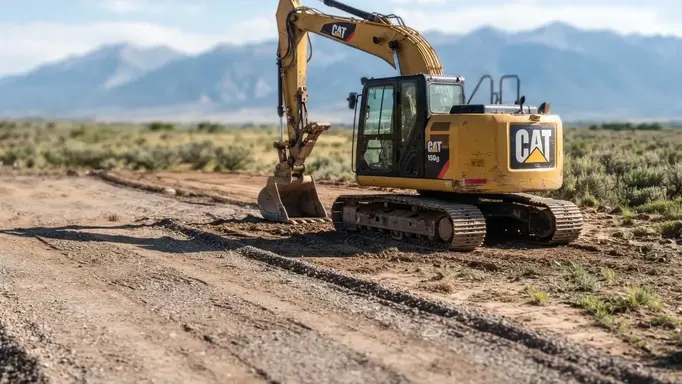
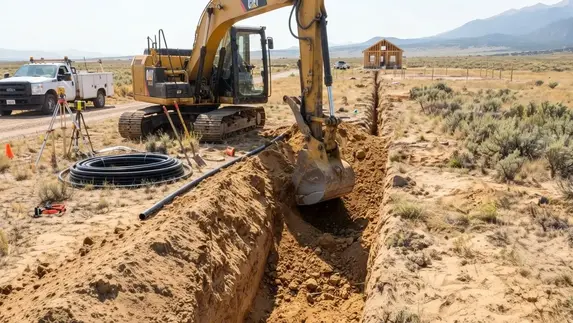
Prepared rural well site with graded access, excavation area, and construction equipment on Costilla County acreage

Well site preparation can include access improvements, clearing, grading, excavation, equipment staging, and drainage coordination before drilling begins.

Well Drilling Access, Equipment Staging & Site Preparation in Costilla County

A proposed well location may look practical on a property map but still require substantial preparation before a drilling contractor can safely reach the site. Rural properties in Costilla County can involve long private driveways, undeveloped access routes, gates, vegetation, uneven ground, soft areas, slopes, limited turning space, and other conditions that affect how drilling equipment reaches the proposed well location. Evaluating access before the drilling operation is scheduled can help identify earthwork, clearing, grading, or driveway improvements that may be needed in advance.

Well drilling equipment is substantially different from the vehicles normally used to access a rural property. The drilling contractor may need a practical route for the drilling rig and supporting vehicles, along with enough room to position equipment and perform the work. Existing driveways and private roads should therefore be evaluated for their actual condition rather than assuming that a route suitable for a pickup truck will automatically be suitable for drilling equipment.

For vacant acreage near San Luis, Blanca, Fort Garland, San Acacio, San Francisco, Mesita, Chama, and other rural parts of Costilla County, access preparation can become an important part of the overall well development sequence. Clearing, driveway improvements, grading, excavation, drainage work, equipment staging, and surface restoration may all need to be coordinated with the drilling schedule and the property's future homesite.

Existing Driveway & Private Road Conditions

The existing driveway or private road should be evaluated from the property entrance all the way to the proposed drilling location. Surface condition, width, grades, soft areas, drainage, turns, and obstructions can all affect whether drilling equipment can reach the site without additional preparation. Depending on the route, work may include driveway grading and road improvements or gravel placement for a more usable access surface.

Drilling Rig Access

A drilling rig requires a practical route from the public or private access point to the selected well location. The actual equipment configuration and access requirements should be confirmed with the drilling contractor before site work is completed so that access improvements match the equipment that will be used.

Turning & Maneuvering Space

Reaching the property is only part of the access challenge. Large equipment may also need room to turn, reposition, stage, or align with the proposed drilling location. Tight corners, narrow access routes, fences, buildings, trees, and other restrictions should be identified before equipment arrives.

Vegetation & Access Clearing

Trees, brush, tall vegetation, fallen material, fences, and other obstacles can interfere with equipment access. Selective land clearing along the access route may be appropriate where necessary to establish a practical route while avoiding unnecessary disturbance to areas of the property that are not part of the construction corridor.

Grades & Uneven Ground

Slopes, uneven ground, ruts, embankments, and abrupt grade changes can affect equipment access and positioning. Depending on existing conditions, grading or excavation may be needed to establish a more practical route or working area for the drilling operation.

Soft Ground, Mud & Seasonal Conditions

Ground conditions can change with weather and seasonal moisture. Areas that are passable during dry conditions may become difficult for heavy equipment after precipitation or other changes in ground conditions. Access planning should account for the expected drilling schedule and the actual condition of the route when equipment is mobilized.

Gates, Fences & Property Entrances

Property entrances and gates should be evaluated before drilling equipment is scheduled. Gate openings, fence lines, driveway width, turning areas, and nearby obstructions can determine whether equipment can enter the property and continue toward the proposed well location.

Overhead & Above Ground Obstructions

Overhead utilities, tree limbs, structures, signs, fences, and other above ground obstructions can affect equipment movement. The drilling contractor should identify clearance requirements for the equipment being used before finalizing the access route and staging plan.

Driveway Grading & Access Improvements

An undeveloped or rough driveway may require grading, excavation, aggregate placement, drainage improvements, or other earthwork before heavy drilling equipment can reach the well site. The appropriate improvements depend on the existing road condition, property layout, equipment requirements, and planned use of the access route after drilling is complete. For work beyond the driveway itself, review excavation and rural site preparation.

Drilling Pad & Equipment Working Area

The drilling location may require a practical working area for the rig and supporting equipment. Site preparation can involve grading, clearing, excavation, or surface improvements where existing conditions do not provide a suitable work area. The drilling professional should determine the operational requirements for the equipment being used.

Equipment Staging & Material Storage

Well construction can involve pipe, casing, materials, tools, vehicles, pumps, and other supporting equipment. Establishing a practical staging area can help keep equipment organized while reducing unnecessary interference with the future house site, driveway, septic area, or other permanent improvements.

Protecting the Proposed Well Location

Once a proposed well location has been established, subsequent excavation, grading, clearing, driveway construction, or other site work should be coordinated around it. Marking and communicating the planned location can help prevent accidental disturbance or construction conflicts before drilling begins.

Road Access & County Development Requirements

Rural development can involve access-related requirements in addition to the state well permitting process. Property owners should confirm whether road access permits, development approvals, or other local requirements apply to the proposed work before modifying an access route or beginning major construction.

Drainage Along the Access Route

Improving a driveway for drilling equipment should not create a new drainage problem. Cross-drainage, runoff paths, low areas, culverts, driveway grades, and surrounding site conditions should be considered when access improvements are designed and constructed.

Coordinating Access With the Future Homesite

The access route used for drilling may eventually become the primary driveway or construction access for the property. Where practical, planning the drilling route alongside the future house pad, septic system, utility corridors, and permanent driveway can reduce duplicate excavation and help establish a more useful long term site layout. For properties intended for independent living, the wider off grid land preparation plan should also be considered.

Post Drilling Restoration

After drilling and related construction activities are complete, disturbed access areas or working surfaces may require grading, backfilling, cleanup, aggregate work, or other restoration. The restoration plan should account for whether the route will remain a permanent driveway, construction road, maintenance access route, or temporary work area.

A Pickup Truck Driveway Is Not Automatically a Drilling Rig Access Road

One of the most common planning mistakes on undeveloped rural property is assuming that because a pickup, SUV, or small trailer can reach a proposed well location, the drilling operation will automatically be able to do the same. Drilling equipment can have very different access, turning, clearance, staging, and surface requirements.

Before improving the property, the planned drilling contractor should be consulted about the equipment that will be mobilized and the access conditions required for the operation. This helps distinguish between improvements that are actually necessary for drilling and improvements that can wait until the larger homesite or driveway project is constructed.

Access improvements can also become part of the property's permanent infrastructure. If the same driveway will later serve the house, cabin, workshop, septic contractor, utility installation, deliveries, emergency access, and future maintenance, it can be more efficient to plan the route around the long term property layout rather than building a temporary access road that must later be reconstructed.

Costilla County Land Services can support the surrounding excavation, clearing, grading, driveway preparation, drainage improvements, equipment staging areas, trenching, and site restoration associated with a private well development project. Well drilling and regulated well construction should be performed by the appropriately qualified and authorized well professionals responsible for the water system.

Prepared rural access route and well drilling work area on Costilla County property

Well drilling access may require driveway improvements, grading, clearing, equipment staging, and preparation of a practical work area before drilling begins.

Need Access Prepared for a Well Drilling Operation?

Tell us about the existing driveway or private road, the proposed drilling location, and any gates, vegetation, grades, drainage problems, or tight access areas that could affect equipment movement. We can evaluate the clearing, grading, driveway preparation, excavation, drainage, staging, and related site work needed to prepare the property for the drilling operation.

Call (719) 695-7224

Where Should a Private Well Go on Rural Property in Costilla County?

The best location for a private well is not simply the most convenient open spot on the property. Well location should be considered as part of the complete rural development plan, including the future home or cabin, septic system, driveway, drilling access, utility corridors, drainage, property boundaries, electrical service, water line routing, and long term maintenance access. On undeveloped Costilla County acreage, choosing the well location early can help prevent conflicts with improvements that are built later.

A proposed well location also needs to satisfy the requirements that apply to the particular property and intended water use. The location should be evaluated through the appropriate Colorado well permitting process and by the qualified professionals responsible for the well. General maps, neighboring wells, property listings, or assumptions about nearby groundwater should not be treated as a substitute for project- specific evaluation and authorization.

For rural properties near San Luis, Fort Garland, Blanca, San Acacio, San Francisco, Mesita, Chama, and surrounding Costilla County communities, well location can become one of the key decisions in organizing a future homesite. A practical location needs to work not only for drilling day, but also for the completed water system and the property's future development.

Start With the Future Homesite

The future home, cabin, or primary building should be considered before selecting the final well location. The well and building need to work together with the septic area, driveway, utility routes, finished grades, construction access, and other permanent improvements rather than forcing the water system into whatever space remains.

Consider the Septic System at the Same Time

A private well and onsite wastewater system are closely connected components of a rural homesite. Their proposed locations should be considered together with the building area and applicable requirements so the well, septic system, house pad, driveway, and utility corridors can fit within the available portion of the property.

Choose a Location With Practical Drilling Access

A technically convenient location may not be practical if drilling equipment cannot reach it. The proposed well should be evaluated in relation to the driveway, private road, gates, grades, vegetation, turning space, overhead obstructions, and equipment staging area required by the drilling contractor.

Consider Property Boundaries & Available Space

The well location needs to work within the actual parcel rather than simply appearing suitable on a general aerial map. Property boundaries, existing structures, easements, access routes, neighboring parcels, and the amount of usable development area can all influence where a private water supply can be practically developed.

Confirm Applicable Well Requirements

The final well location should be evaluated against the requirements applicable to the property and proposed use. Colorado well permitting is handled through the Division of Water Resources, and the applicable authorization, location, construction, and water-use requirements should be confirmed before drilling begins.

Review Existing Well Information

Existing well records can provide useful background information when evaluating rural property. Nearby permits and well records may help identify historical drilling activity and reported well information, but they should be treated as due diligence information rather than a guarantee of groundwater depth, production, water quality, or permit approval for the subject property.

Plan the Water Line Route

The well location should allow a practical route for the water line to the future home, cabin, storage component, or other point of use. Long or complicated routes can increase excavation and installation work, while poorly planned routes can conflict with driveways, septic components, electrical utilities, drainage, and future construction.

Consider Electrical & Pump Infrastructure

A private water system may require a pump, electrical service, controls, pressure equipment, storage, or other supporting infrastructure. The well location should be considered alongside these components so that the completed system has practical routes and access for installation, operation, and future servicing.

Evaluate Drainage & Surface Conditions

The proposed well area should be considered within the property's broader drainage and grading plan. Surface runoff, low areas, erosion, driveway drainage, future grading, and construction disturbance can all affect how the completed well area fits into the surrounding property.

Plan for Off-Grid Water & Power

Rural Costilla County properties may be developed with independent power and water systems. If the property will use solar generation, batteries, water storage, or other off-grid infrastructure, the well location should be considered as part of the complete water-and-power layout. Review off grid solar site preparation when planning how the power system will support the intended property development.

Leave Room for Future Buildings

Vacant acreage may eventually include a garage, workshop, barn, storage structure, guest building, agricultural improvement, or other development. The well should be placed with the property's long term layout in mind so future construction does not unnecessarily interfere with the water system or access needed to service it.

Preserve Long Term Maintenance Access

The well is intended to remain part of the property after initial construction is finished. Future pump service, inspections, electrical work, water system repairs, or other maintenance may require access to the well and associated equipment. Driveways, fences, buildings, landscaping, and grading should not unnecessarily eliminate practical access.

Coordinate the Construction Sequence

Well development should be considered alongside the order in which the property will be improved. Clearing, driveway construction, drilling access, well development, house pad excavation, septic installation, utility trenching, drainage, and other site work can affect one another. Planning the sequence early can reduce duplicate excavation and protect completed improvements.

Think About the Entire Property Layout

A private well should be considered as one component of the complete property plan. The location of the home, septic system, driveway, utilities, outbuildings, drainage features, access routes, solar equipment, and future improvements should all be considered before permanent site work makes the layout harder to change.

The Most Convenient Spot Is Not Always the Best Well Location

A well location can look ideal because it is close to the future house, near an existing driveway, or located in an open portion of the property. Those factors can be helpful, but they are only part of the decision. The location also needs to work with applicable well requirements, septic planning, drilling access, water line routing, electrical infrastructure, drainage, property boundaries, and future construction.

Property owners should also be careful when using nearby wells as a basis for deciding where or whether to drill. Existing records can be valuable during rural land due diligence, but a neighboring well does not guarantee that another parcel will have the same groundwater conditions, depth, production, water quality, or authorization for the same use. project specific evaluation remains important before major development decisions are made.

For undeveloped Costilla County acreage, it can be helpful to establish the proposed well location before constructing the permanent driveway, house pad, septic system, utility corridors, or other major improvements. Doing so allows the water supply to be incorporated into the property layout instead of requiring later construction to work around an already-developed site.

The final well location, applicable separation requirements, permit requirements, construction details, and water system design should be established through the appropriate Colorado process and qualified well professionals. Costilla County Land Services can support the surrounding excavation, clearing, grading, access preparation, trenching, drainage, and other rural site development work needed to prepare the property for its planned water system.

Well & Septic Coordination for Rural Property in Costilla County

A private well and onsite septic system are two of the most important infrastructure components on many rural properties without public water and sewer service. Their locations should be planned together with the future home or cabin, driveway, property access, utility corridors, drainage, and available development area. Coordinating the well and septic system early can help prevent a rural homesite from being laid out around one system only to discover that the other system cannot be positioned or accessed as planned.

Well and septic coordination is especially important when developing vacant acreage in Costilla County. A property may have plenty of open land, but the usable area for a homesite can become much smaller after accounting for the building location, driveway, well, onsite wastewater system, utility routes, drainage, easements, setbacks, access, and future improvements. Establishing a preliminary site layout before major excavation begins can help the different parts of the project work together.

The applicable well and onsite wastewater requirements are property specific. Colorado well permitting is administered through the Division of Water Resources, while onsite wastewater systems are subject to applicable state and local requirements. The final well location, septic system design, required separation distances, permitting, inspections, and regulated installation work should be established by the appropriate authorities and qualified professionals before construction proceeds.

Plan the Well & Septic Layout Together

A rural homesite should not treat the private well and septic system as completely separate projects. Their proposed locations should be considered together with the house, driveway, utility corridors, property boundaries, drainage, and available development area so the complete site plan remains practical.

Well & Septic Separation Requirements

The relationship between a private well and onsite wastewater system is an important part of rural site planning. Applicable separation requirements depend on the specific property, system, permit, and governing requirements. The required distances should be confirmed through the appropriate Colorado and local processes rather than relying on a generic rule from another property or jurisdiction.

Coordinate the Future House Location

The home or cabin should be positioned with both the water supply and wastewater system in mind. House pad location, building orientation, driveway access, utility connections, finished grades, and future additions can all affect the amount of usable space available for the well and septic system.

Coordinate the Driveway & Site Access

The driveway is another permanent component of the rural property layout. Its alignment should be considered alongside the well, septic area, house pad, construction access, and future maintenance routes. Building the driveway first without considering the water and wastewater systems can unnecessarily restrict the remaining usable area.

Coordinate Excavation & Site Preparation

Rural development may involve excavation for the well access route, septic system, house pad, driveway, utility trenches, drainage, and other improvements. Coordinating the earthwork can help reduce duplicate excavation and avoid disturbing areas that need to remain available for regulated wastewater or water system components.

Confirm Applicable Permits & Approvals

A private well and an onsite wastewater system can involve different permitting and regulatory processes. Well authorization should be addressed through the Colorado Division of Water Resources, while applicable onsite wastewater requirements should be confirmed through the responsible state and local authorities before installation begins.

Consider Groundwater & Wastewater Planning Together

The private water supply and onsite wastewater system serve opposite sides of the property's water cycle. Water is supplied through the well and wastewater is treated and dispersed through the onsite wastewater system. Their locations and surrounding site conditions should therefore be considered together during homesite planning.

Consider Existing Grades & Drainage

Existing grades can affect where the home, driveway, well access, septic components, and supporting infrastructure can practically be placed. Surface water movement and future grading should be considered during the initial layout so drainage improvements do not interfere with either the water supply or wastewater system.

Plan Water Line Routing

The route from the private well to the home or cabin should be considered before the septic system and other permanent improvements are installed. Water line trenches may cross or approach other utility corridors, driveways, and site improvements, so the planned route should be incorporated into the overall development layout.

Coordinate Electrical & Utility Corridors

A private well may require electrical service, pumping equipment, controls, pressure components, or other supporting infrastructure. These systems should be considered alongside septic access, water lines, electrical trenches, communications, and future utilities so the property does not require unnecessary excavation later.

Preserve Access for Septic Installation

Septic installation and future servicing may require equipment access to the wastewater system area. The property's driveway, access roads, gates, fences, landscaping, buildings, and other improvements should be planned so equipment can reach the applicable work area when needed.

Preserve Long Term Well & Septic Maintenance Access

Both systems are long term property infrastructure. Future well pump work, water system service, septic inspection, maintenance, or other repairs may require practical access. Permanent buildings, fences, driveways, landscaping, and grading should not unnecessarily block access to either system.

Coordinate Well & Septic Systems for Off Grid Homes

Off grid properties may combine a private well and onsite wastewater system with solar power, batteries, water storage, propane, utility trenches, and other independent infrastructure. Coordinating the systems early can help establish a more practical layout for cabins, homesteads, and rural residences.

Plan Around the Complete Rural Homesite

The well and septic system should ultimately fit within the complete property development plan. The home, driveway, outbuildings, utility corridors, drainage improvements, access routes, solar equipment, future buildings, and other improvements should be considered before permanent construction limits the available space.

Establish the Construction Sequence Early

The order of construction can affect both the well and septic project. Access preparation, well development, water line trenching, house pad excavation, septic installation, utility work, driveway construction, grading, and final restoration may all interact. Establishing a practical sequence before excavation begins can help reduce rework and protect completed improvements.

Evaluate the Usable Development Area

The total acreage does not necessarily reflect how much land is available for a workable homesite. Property boundaries, required separations, easements, terrain, drainage, access, and proposed improvements can limit where the well, septic system, and home can fit. Reviewing these constraints early helps identify potential layout conflicts before grading, excavation, or other permanent site work begins.

Do Not Plan the Well and Septic System as Two Separate Projects

On vacant rural property, it can be tempting to select a well location first and figure out the septic system later. That approach can create problems when the remaining usable area is smaller than expected or when the proposed locations do not work with the house, driveway, drainage, access, or applicable requirements. A preliminary whole site layout can help identify conflicts before permanent construction begins.

The same principle applies to excavation. If a property will need a well, septic system, house pad, driveway, utility trenches, drainage improvements, and other rural site work, the projects should be considered together when determining access routes and construction sequencing. Coordinated earthwork can reduce unnecessary disturbance and help prevent one project from requiring another area to be excavated a second time.

Existing well records and nearby development can provide useful background information during property due diligence, but they do not replace project-specific evaluation. The applicable well authorization, septic requirements, separation distances, system design, inspections, and regulated installation work should be established through the appropriate Colorado and local processes and the qualified professionals responsible for each system.

If you are developing rural acreage in Costilla County and need to prepare the property for a coordinated well and septic project, Costilla County Land Services can support the surrounding excavation, clearing, grading, driveway access, utility trenching, drainage, equipment access, and site preparation needed to integrate the water and wastewater systems into the larger homesite plan.

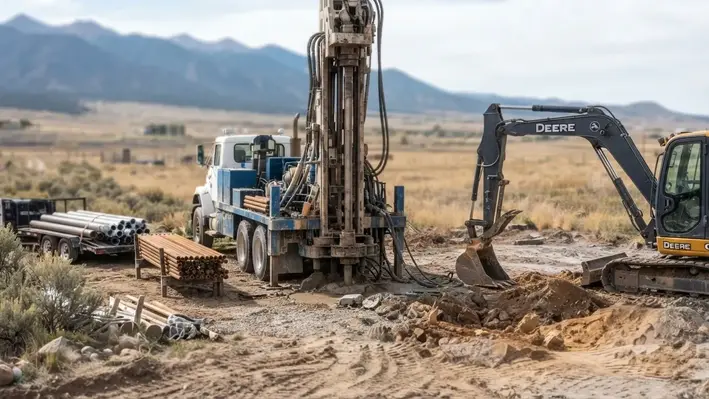
Private water well drilling operation with a drilling rig and supporting equipment on rural Costilla County property

Private well development can involve drilling equipment, site access, equipment staging, casing, water lines, pumping infrastructure, and supporting site preparation on rural property.

Well Drilling Access & Heavy Equipment in Costilla County

Getting a drilling rig to a private well location can be one of the earliest site development challenges on undeveloped Costilla County property. A proposed well may sit beyond an existing dirt road, across undeveloped acreage, behind a narrow gate, or in an area that has not yet been prepared for heavy equipment. Before drilling is scheduled, the access route, well site working area, drainage, vegetation, grades, and property improvements should be evaluated together.

Costilla County's residential development guidance specifically addresses road access, minor development work, trenching and excavation, and well drilling. The County states that undeveloped parcels generally require a Road Access permit unless a prior permit can be documented, with a Minor Development permit accompanying the Road Access permit. That Minor Development permit can cover activities including a driveway, trench/excavation, culvert, cistern, and well drilling, while a Colorado state well permit is also required for well drilling. Requirements should be confirmed with Costilla County and the Colorado Division of Water Resources for the specific parcel before work begins.

  • Road Access to the Property
    On undeveloped Costilla County parcels, the first question is often not whether a drilling rig can reach the proposed well, but whether the property has a practical and properly established access route at all. County residential development guidance identifies a Road Access permit for undeveloped parcels unless prior approval can be documented. Physical access and the applicable County approval should be considered together before scheduling heavy equipment.
  • Drilling Rig Route From the Entrance to the Well
    A usable public road or property entrance does not mean the drilling rig can reach the selected well location. The entire route should be evaluated for turns, grades, surface conditions, gates, vegetation, drainage, narrow sections, and available room for the actual drilling equipment and support vehicles.
  • Existing Dirt Roads & Driveways
    Rural Costilla County properties may have existing dirt or gravel access that works well for passenger vehicles but is not prepared for heavy drilling equipment. Soft sections, deep ruts, steep approaches, inadequate aggregate, washouts, and drainage problems can become significant once heavy equipment is introduced.
  • Gates, Fences & Property Entrances
    Gate openings and fence lines should be checked before mobilization. Entrance width, gate hardware, roadside vegetation, posts, ditches, and the approach immediately inside the property can all affect whether a large drilling rig can enter and continue toward the proposed well site.
  • Clearance Along the Access Route
    The usable width of a rural road is not determined only by the driving surface. Trees, brush, fence posts, embankments, structures, signs, ditches, and other features can restrict the space available to large equipment. The drilling contractor should identify the equipment-specific clearance requirements before access work is performed.
  • Turns & Maneuvering Areas
    Long straight access is not enough if the rig cannot negotiate a turn or position itself at the well. Tight corners, dead ends, narrow approaches, and limited turnaround space should be identified before mobilization. Supporting vehicles may also require additional room beyond the path used by the primary drilling rig.
  • Selective Clearing for Drilling Access
    Trees, brush, fallen material, and overgrown fence lines can restrict access across otherwise usable rural property. Where clearing is necessary, the practical goal is to open the equipment route and working area without unnecessarily disturbing surrounding acreage.
  • Overhead Obstructions & Utility Conflicts
    Tree limbs, overhead utility lines, structures, and other above ground features can create clearance problems for tall drilling equipment. These conditions should be identified before the rig arrives rather than discovered during mobilization.
  • Grades, Slopes & Uneven Ground
    Abrupt grade changes, sloped approaches, embankments, ruts, and uneven ground can affect both travel and positioning at the well site. Where existing conditions are unsuitable, grading or excavation may be needed to establish a more practical equipment route or working surface.
  • Weather, Soft Ground & Seasonal Access
    Rural access conditions can change after precipitation or during periods of seasonal moisture. A route that is easy to cross when dry may become soft or rutted under heavy equipment. The drilling schedule should take the actual condition of the access route into account rather than assuming dry weather conditions will remain unchanged.
  • Well Site Working Area
    The rig needs more than a path to the proposed well. The drilling location must provide the drilling contractor with a workable area for positioning the equipment and conducting the operation. The required working configuration should be established by the drilling contractor for the specific rig and project.
  • Equipment Staging & Material Handling
    Well drilling can involve support vehicles, pipe, casing, tools, materials, pumps, and other equipment. On vacant acreage, identifying where those materials can be staged can prevent conflicts with the future house pad, septic area, driveway, utility corridor, or other permanent improvements.
  • Drainage Along the Access Route
    Improving a road or driveway for heavy equipment should not simply move the drainage problem somewhere else. Ditches, culverts, low areas, erosion, runoff paths, and driveway crossings should be considered before grading or adding aggregate to an access route.
  • Grading, Excavation & Access Preparation
    Depending on the parcel, preparing for drilling may involve clearing, grading, excavation, driveway work, drainage improvements, or other earthwork. The scope should be based on the actual property conditions and the access and working requirements identified by the drilling contractor.
  • Coordinate Access With County Permitting
    Costilla County's residential development procedure identifies Road Access and Minor Development permits for certain undeveloped-property improvements, including driveway work, trenching or excavation, culverts, cisterns, and well drilling. Well drilling also requires the applicable Colorado state well permit. Permit requirements should be verified for the individual parcel before excavation or drilling begins.
  • Keep the Well Accessible After Construction
    Access should not be planned only for drilling day. The completed well may require future pump service, inspection, electrical work, repairs, or other maintenance. The permanent driveway, house, fences, grading, landscaping, and other improvements should leave practical access to the well and associated equipment.

Plan the Drilling Route Before You Build the Homesite

On raw Costilla County acreage, it is easy to focus on where the house or cabin will eventually sit and leave well access for later. That can create problems if the proposed well is located beyond an unimproved road, behind a restrictive gate, through vegetation, or in an area that has not been prepared for heavy equipment.

The drilling contractor should identify the rig and supporting equipment being used before access improvements are designed. That information can determine whether the property needs selective clearing, grading, excavation, driveway improvements, drainage work, aggregate placement, or additional working space at the well location. The access route should be evaluated from the public-road entrance all the way to the actual drilling site.

Costilla County's current residential development procedure is also important to the construction sequence. For undeveloped parcels, the County identifies a Road Access permit and accompanying Minor Development permit, with the Minor Development permit covering listed improvements such as driveway work, trenching or excavation, culverts, cisterns, and well drilling. The County also notes that a state permit is required for well drilling. Confirming the applicable requirements before moving equipment or beginning earthwork can prevent avoidable permitting and access problems.

Costilla County Land Services can support the site development work surrounding a planned well, including clearing, grading, excavation, driveway and access preparation, drainage improvements, equipment staging areas, trenching, and restoration. The well permit, drilling, well construction, and regulated water system work should remain with the appropriately qualified and authorized professionals responsible for the water supply.

Water well drilling rig and support equipment accessing a prepared rural site in Costilla County

Well drilling access can require a prepared route, equipment maneuvering space, staging areas, and site preparation before the drilling operation begins.

Need Your Property Prepared for Well Drilling?

Tell us about the existing road or driveway, the proposed well location, and any gates, vegetation, grades, drainage problems, or tight access areas that could affect heavy equipment. Costilla County Land Services can evaluate the surrounding clearing, grading, excavation, driveway preparation, drainage, staging, and related site work needed to prepare the property for the drilling operation.

Call (719) 695-7224

Costilla County Road Access & Development Requirements

Rural land development in Costilla County often begins with access. Before a vacant parcel can be developed for a home, cabin, well, septic system, or other improvements, the property owner needs to understand how the proposed driveway and access route connect to the county road system and the property's overall development plan. Costilla County's residential development procedure specifically addresses Road Access permits, Minor Development permits, driveways, trenching, excavation, culverts, cisterns, and well drilling.

The County states that undeveloped parcels require a Road Access permit unless the owner can document that a Road Access permit was previously obtained for the parcel. The County's Road Access application also requires a detailed site plan and asks for information about the proposed access location, driveway profile, drainage impacts, utilities, property boundaries, ownership, and easements. Understanding these requirements early can help prevent a driveway, well, septic system, house pad, or utility corridor from being planned around an access route that has not yet been properly established.

  • Road Access Permit for Undeveloped Parcels
    Costilla County's residential development procedure states that undeveloped parcels require a Road Access permit unless the property owner can provide proof that a Road Access permit was obtained for the parcel previously. Buyers evaluating undeveloped property should also review our Costilla County land buying and parcel research guide.
  • Road Access & Minor Development Permits
    County guidance states that Road Access permits are accompanied by a Minor Development permit. The County identifies the Minor Development permit as covering listed improvements such as a driveway, trenching/excavation, culvert, cistern, and well drilling when completed within the permit's stated period. A Minor Development permit is not a construction permit for a structure.
  • Detailed Access Site Plan
    Costilla County's Road Access application requires a detailed site plan showing the proposed access. Planning the access on the actual parcel rather than relying on a general aerial-map route helps identify driveway alignment, property boundaries, easements, drainage features, utilities, and the location of future improvements.
  • Driveway Plan & Profile
    The County's Road Access application specifically requests a driveway plan profile. For rural property, the driveway should be considered as more than a cleared path from the road. Grades, drainage, access to the homesite, construction traffic, well drilling equipment, septic work, and future maintenance can all influence the practical driveway layout. Our driveway and private road grading services address the physical access improvements needed for rural development.
  • Drainage Impact on the County Right of Way
    Costilla County's Road Access application requires a drainage plan showing the impact of the proposed access on the road right-of-way. Driveway construction should therefore account for how runoff crosses the entrance and whether drainage improvements such as a culvert or other approved measures are needed. Related land grading and leveling can help address site elevations and surface drainage as part of the overall plan.
  • County Road Entrance Location
    The Road Access application asks applicants to identify which side of the County road the access will use and approximately where the access will be located. The application also directs the applicant to contact the Road Superintendent regarding the correct access location and materials needed for the installation.
  • Utilities Within the Road Right-of-Way
    The County application calls for maps and letters detailing utility locations before and after development within the road right of way. Utility planning should therefore be coordinated with the driveway entrance rather than installing a road crossing first and trying to route utilities around it later.
  • Property Boundaries & Easements
    The Road Access application requests property and ownership maps, including easements. This matters on rural acreage where the apparent shortest route to a homesite may cross an easement, shared access area, neighboring property, or other land-interest restriction.
  • Legal Description & Parcel Information
    The County's application requires a legal description of the land and identifies the parcel associated with the requested access. Property owners should verify the actual parcel and ownership information before designing permanent access improvements around an assumed property boundary.
  • Road Access, Wells & Rural Water Development
    County residential development guidance lists well drilling among the improvements that may be covered by a Minor Development permit, while also stating that a Colorado state well permit is required. Planning access early can therefore be important when a vacant parcel will require drilling equipment to reach a future private well.
  • Road Access & Septic Development
    Access should be planned alongside the proposed wastewater area, homesite, and utility routes. A driveway placed without considering the septic area can consume useful development space or create unnecessary conflicts with future installation and maintenance access.
  • Road Access to the Future Homesite
    The permanent driveway should be evaluated in relation to the future home, cabin, house pad, garage, workshop, and other planned structures. Establishing the access route before major excavation allows the driveway alignment to be coordinated with the rest of the property instead of forcing later improvements around an existing entrance.
  • Trenching & Excavation Along Developed Property
    County guidance specifically lists trenching and excavation among the activities covered by its Minor Development process. Utility trenches, water lines, driveway work, drainage improvements, and other excavation should be sequenced with the approved access and broader site plan.
  • Culverts & Roadside Drainage
    A driveway entrance can change how water moves along a county road drainage area. Costilla County's Road Access materials specifically address drainage and culverts, so the entrance should be designed around the applicable drainage requirements rather than simply placing fill across an existing roadside ditch.
  • Heavy Equipment & Construction Access
    The approved access route may eventually need to accommodate excavation equipment, well drilling equipment, septic installation, concrete deliveries, utility work, and other construction traffic. Planning the permanent route around the actual development sequence can reduce duplicate grading and temporary access work.
  • Access as Part of the Complete Site Plan
    A rural driveway should not be designed independently from the rest of the property. The access route, well, septic system, house pad, utilities, drainage, outbuildings, and future improvements should be considered together so one improvement does not unnecessarily restrict another.

Establish the Access Before Building Around the Parcel

On undeveloped Costilla County property, the driveway is often one of the first permanent improvements that determines how the rest of the parcel will be developed. Before grading a long driveway or placing permanent fill at the road entrance, it is worth establishing where the approved access will occur and how that route will serve the future homesite, well, septic system, utilities, and construction traffic.

Costilla County's Road Access application is more detailed than simply identifying a driveway entrance. It calls for a detailed site plan, driveway plan profile, drainage information affecting the road right of way, utility information, property and ownership maps, and easement information. The application also directs applicants to coordinate with the Road Superintendent regarding the proper access location and materials for the installation.

The County's residential development procedure also connects Road Access with the Minor Development process. For undeveloped parcels, the County states that a Road Access permit is required unless a previous permit can be documented, and that the accompanying Minor Development permit can cover listed work such as driveway construction, trenching/excavation, culverts, cisterns, and well drilling. Well drilling additionally requires the applicable Colorado state permit. The exact requirements should be confirmed with Costilla County before construction or excavation begins.

Costilla County Land Services can support the physical site development work associated with an approved access plan, including driveway preparation and grading, excavation, drainage improvements, gravel and aggregate delivery, and utility trenching for rural construction projects. County permitting, access approval, and any regulated work should be coordinated with the appropriate Costilla County and Colorado authorities.

Water Line Trenching for Private Wells in Costilla County

A private well does not provide usable water to a home, cabin, or outbuilding until the water system is connected to the location where the water will be used. On rural Costilla County property, that connection may require underground trenching from the well to a residence, pressure equipment, storage, or another point of use. The water line corridor should be planned with the well, septic system, driveway, electrical service, drainage, and future property improvements in mind.

Costilla County's residential development procedure specifically identifies trenching and excavation among the improvements addressed through its Minor Development process. The County also maintains separate permitting resources for Road Access, Grading, Road Cutting, OWTS, and other development activities. On vacant acreage, planning the water line route before major site work can help prevent a buried utility from conflicting with the homesite, driveway, septic area, or other permanent improvements.

Plan the Water Line Route First

The shortest route between the well and building is not necessarily the best route. The proposed corridor should be considered alongside the future home or cabin, septic area, driveway, electrical service, drainage, outbuildings, and other permanent improvements before excavation begins.

Well to Building Water Connections

A private well may need an underground connection to a residence, cabin, pressure equipment, storage component, or another part of the water system. The qualified professionals responsible for the well and plumbing system should establish the applicable system requirements and connection details before trenching is performed.

Coordinate With the Future Homesite

On undeveloped Costilla County acreage, the building location may still be flexible when the well is developed. Establishing the water line corridor before the house pad and other permanent improvements are constructed can reduce unnecessary excavation and help preserve a practical connection to the future building.

Coordinate the Trench With the Septic System

The well, water line, house, and onsite wastewater system should be planned together, including the proposed location for septic system installation. A water line trench placed without considering the wastewater area can create conflicts with the septic system, future maintenance access, or other permanent site improvements.

Coordinate Water & Electrical Utilities

Rural homes may require buried water lines and electrical infrastructure between different parts of the property. Utility corridors should be planned together before excavation so water, electrical, communications, and other services do not unnecessarily interfere with one another or with future construction.

Water Lines Under Driveways & Private Roads

A water line may need to cross an existing or planned driveway or private access road. These crossings should be identified before the road is constructed or substantially improved so the underground installation can be coordinated with the access plan and driveway or private road grading rather than requiring avoidable reconstruction later.

County Road Crossings & Road Cuts

Trenching across a County road is different from trenching entirely on private property. Costilla County identifies a Road Cut permit for activities in which a County road is trenched. If a water line route needs to enter or cross a County road, the applicable County requirements should be established before excavation begins.

Costilla County Trenching & Excavation Requirements

Costilla County's residential development procedure identifies trenching and excavation among the improvements addressed through its Minor Development process. The applicable requirements depend on the property and scope of work, so owners should confirm the current permitting process with County Planning and Zoning before excavation.

Locate Existing Utilities Before Digging

Rural acreage can still contain buried electrical, communications, water, or other utility infrastructure. Underground utility locations should be established before excavation rather than assuming that undeveloped-looking ground is free of buried services.

Drainage & Surface Water Movement

A long trench can affect how surface water moves across a property if the excavated corridor is not properly restored. Water line planning should account for swales, low areas, driveway drainage, runoff paths, and other grading features so the completed corridor does not become an unintended drainage channel.

Terrain, Grades & Excavation Conditions

Rural properties in Costilla County can have changes in grade and surface conditions across the same parcel. Long water line routes should be evaluated for equipment access, excavation conditions, changes in elevation, spoil handling, and the amount of surface restoration required after installation.

Water Line Trench Excavation

Preparing a water line corridor may involve vegetation and brush removal, excavation, temporary spoil placement, equipment access, and restoration. The excavation should be planned around the actual property layout rather than treating the trench as an isolated construction activity.

Backfill & Surface Restoration

Once the water line is installed, the trench must be backfilled and restored for the property's intended use. This may involve suitable backfill, settlement prevention, and restoring the surface to match surrounding terrain. Driveways, building approaches, graded areas, drainage corridors, and undeveloped ground may require different methods depending on site conditions and the final site plan. Proper coordination helps maintain access, preserve drainage patterns, and prepare the area for future improvements.

Off Grid Water & Power Coordination

An off grid Costilla County property may combine a private well with solar generation, batteries, pumping equipment, water storage, and a remote cabin or homestead. Our off grid land preparation services address the site evelopment work needed to coordinate multiple planned improvements. The water line corridor should be planned alongside the larger water and power system rather than installing each utility independently, including any proposed off grid solar installation.

Cisterns & Water Storage Connections

Some rural water systems may incorporate a cistern or other storage component depending on the property and system design. If storage is part of the project, the water line route should account for the location of the well, storage equipment, building, access, electrical infrastructure, and future grading.

Coordinate With Future Utility Corridors

Vacant acreage may eventually require additional electrical service, communications, outbuildings, workshops, agricultural improvements, or other utilities. Establishing practical utility corridors early can reduce unnecessary crossings and prevent the water line from occupying space needed for future infrastructure.

Construction Access for Trenching

Long rural water line trenches require equipment access along the construction corridor. The route should be evaluated for equipment movement, material delivery, temporary spoil placement, driveway crossings, gates, vegetation, and other conditions that could affect the excavation operation.

Preserve Future Water System Access

The buried water line becomes part of the property's permanent infrastructure. Future repairs or service may require access to the well, building connection, valves, pressure equipment, or other components. Permanent buildings, driveways, landscaping, and grading should not unnecessarily eliminate practical access to the system.

Plan the Water Line Corridor Before You Finish the Homesite

On undeveloped Costilla County acreage, it is usually easier to plan the water line corridor before the driveway, house pad, septic system, electrical utilities, and other permanent improvements are complete. Once those improvements are established, routing a buried water line can require additional crossings, excavation, surface restoration, or changes to an otherwise finished site.

The trench route should also be reviewed for existing utilities, drainage, property access, septic components, future buildings, and County road crossings before excavation begins. If the route requires trenching a County road, Costilla County identifies a Road Cut permit for that work. Trenching and excavation on rural property are also identified in the County's residential development procedure as improvements addressed through the Minor Development process.

The qualified professionals responsible for the private well and plumbing system should establish the applicable water system requirements, connections, materials, and installation details. Costilla County Land Services can support the surrounding utility trenching, excavation and site preparation, grading, access preparation, backfill, drainage, and surface restoration associated with a planned water line installation.

For rural property near San Luis, Fort Garland, Blanca, San Acacio, San Francisco, Mesita, Chama, and other areas of Costilla County, the goal is not simply to excavate the shortest path between the well and building. The water line corridor should become part of the property's long term infrastructure plan so the well, home, septic system, driveway, utilities, drainage, and future improvements continue to work together.

Water line trench being excavated from a private well toward a rural building site in Costilla County

Water line trenching connects the private well to the future home or other point of use while coordinating access, utilities, drainage, and the property's long term site layout.

Need a Water Line Trench From Your Well to the Homesite?

Tell us where the well and building are located, how the property is accessed, and whether the water line will cross a driveway, drainage area, utility corridor, or other existing improvement. Costilla County Land Services can support the trench excavation, equipment access, grading, backfill, drainage coordination, and surface restoration associated with a planned private well water line installation.

Call (719) 695-7224

Well Pumps, Pressure Systems & Electrical Infrastructure in Costilla County

A private well does not become a usable household water supply simply because drilling reaches groundwater. The completed system may also require pumping equipment, electrical power, pressure controls, water lines, storage components, and connections to the home or cabin. These components need to work together with the well, building, septic system, driveway, utility corridors, and broader rural property layout.

The specific pump, controls, electrical configuration, pressure equipment, storage requirements, and water system components depend on the well, proposed water use, building, available power, and system design. Those technical selections should be made by the appropriately qualified professionals responsible for the well and water system. Costilla County Land Services can support the surrounding excavation, trenching, access, equipment staging, grading, and rural site development work needed to connect the water system to the property.

Well Pump Selection

The pump is a critical part of a private water system because it moves water from the well into the property's distribution system. Pump selection depends on the well construction, water level, expected demand, elevation, system design, and other project specific conditions. The well and water system professional should determine the appropriate equipment rather than relying on a generic pump size.

Pressure System Planning

Residential well systems commonly use pressure equipment to deliver water from the well to the building. The pressure system may include controls, a pressure tank, valves, gauges, and other components selected for the specific installation. Their location should be considered during the property layout so the completed system remains accessible for service.

Electrical Power for the Well

A powered well pump requires an appropriate electrical connection. Electrical service and equipment should be designed and installed by the qualified electrical professionals responsible for the project. The well location, pump equipment, building, utility route, and available power source should be coordinated before permanent infrastructure is installed.

Well Electrical Connection Planning

The electrical route serving a private well may need to extend from the building, utility service, control equipment, or another approved power source. Planning the route early can help avoid unnecessary crossings with driveways, septic components, water lines, drainage, and future utility corridors. Our utility trenching services support the excavation needed for planned underground infrastructure.

Pressure Tank & Supporting Equipment

Depending on the water system design, pressure equipment may be installed near the building or in another appropriate location. Pressure tanks, controls, valves, gauges, and related components need sufficient space for installation, operation, inspection, and future service.

Well to Home Water Connection

The completed well system may connect underground to a residence, cabin, workshop, or other approved point of use. The water connection should be planned together with the building location, finished grades, utility routes, driveway, septic system, and future property improvements, including house pad preparation.

Water & Electrical Utility Coordination

Water and electrical infrastructure often need to reach the same general development area while serving different components. Their routes should be coordinated before excavation so the well, water line, electrical service, driveway, septic system, drainage, and other utilities do not create unnecessary construction conflicts.

Utility Crossings Under Driveways

A well located away from the home may require water and electrical infrastructure to cross an existing or planned driveway. Crossing locations should be established before the driveway is permanently constructed whenever possible so future utility work does not require unnecessary excavation through completed access improvements.

Well, Pressure System & Septic Coordination

The water supply and onsite wastewater system should be considered together when developing a rural homesite. Well location, pressure equipment, water line routing, septic system placement, building location, access, and applicable requirements all need to fit within the available development area.

Cisterns & Water Storage

Some rural properties may incorporate a cistern or other water storage component depending on the water system design and intended use. When storage is part of the project, its location should be coordinated with the well, pump, pressure equipment, electrical infrastructure, building, access, and water line routes.

Off Grid Well Pumping

An off grid property may need to operate its well pump using an independent power system such as solar generation and battery storage. Pumping equipment, controls, power equipment, storage, and water distribution should be designed as one system so the water supply is compatible with the available off grid energy resources.

Solar, Battery & Pump Infrastructure

When a private well is part of an off-grid development, the pump can become an important part of the property's electrical load. The location of solar equipment, batteries, controls, water storage, and pump-related infrastructure should be considered together with the well and future building site.

Excavation for Well-System Infrastructure

Installing a complete private water system can require excavation for water lines, electrical routes, equipment areas, storage components, or connections to the building. The excavation scope should follow the actual system design and be coordinated with the other improvements planned for the property.

Protecting Equipment From Site Drainage

Well pumps and supporting equipment should be incorporated into the property's drainage and grading plan. Surface runoff, erosion, low areas, driveway drainage, and future grading should be considered so completed infrastructure is not placed where later site work could create avoidable drainage problems.

Maintenance Access to Pump Equipment

Pump and pressure equipment may eventually require inspection, adjustment, repair, replacement, or other service. The well system should therefore remain accessible after the property is developed. Fences, buildings, landscaping, grading, and other improvements should not unnecessarily block practical service access.

Utility Corridors for Future Development

Rural properties often develop in phases. A future workshop, garage, cabin, agricultural improvement, or additional building may require new electrical, water, or other utility connections. Establishing practical utility corridors during the initial development can reduce the need to disturb completed well infrastructure later.

Avoiding Conflicts With Permanent Improvements

Driveways, house pads, septic systems, fences, buildings, drainage improvements, and landscaping can make future water system work more difficult. Planning pump equipment, electrical routes, water lines, and service access before these improvements are completed can reduce unnecessary excavation and property disturbance.

Coordinate the Complete Water System Installation

The well, pump, pressure equipment, electrical service, water lines, storage, building connection, and supporting site work should be treated as one coordinated project. Establishing the installation sequence before excavation begins can help the drilling, electrical, plumbing, and site development professionals work from the same property layout.

Plan the Pumping System Before Finalizing the Site Layout

A private well becomes part of the property's permanent infrastructure. The pump, pressure equipment, electrical connection, water lines, and building connection all need to fit within the homesite without creating conflicts with the driveway, septic system, drainage, or future development. Planning those components before major excavation can make the overall project easier to coordinate.

Pump selection, electrical requirements, pressure settings, controls, storage, and other technical water system components are specific to the well and proposed use. They should be evaluated and installed by the appropriately qualified professionals responsible for the well, electrical system, and water distribution system. General assumptions about pump size, pressure, electrical requirements, or equipment configuration should not be substituted for project specific design.

This becomes especially important on undeveloped Costilla County acreage where the water system may be combined with a new driveway, house pad, septic system, utility trenching, solar installation, or other rural improvements. Establishing the water and electrical corridors early can help reduce duplicate excavation and keep the property's development sequence organized. For coordinated planning across the homesite, access, utilities, and other improvements, see our off grid land preparation services.

Costilla County Land Services can support the surrounding physical site development work, including excavation, trenching, grading, driveway access, equipment staging, drainage improvements, and restoration associated with a planned private water system. Well drilling, pump selection, electrical installation, plumbing, and other regulated or specialized work should remain with the appropriately qualified professionals responsible for those systems.

Well pump, pressure equipment, electrical components, and water line infrastructure serving a rural property in Costilla County

Private well systems can involve pumping, pressure equipment, electrical infrastructure, water lines, and building connections that need to be coordinated with the property's overall site layout.

Cisterns & Water Storage for Rural Properties in Costilla County

Cisterns and water storage systems can be part of rural and off-grid water infrastructure in Costilla County. The right configuration depends on the property's water source, intended use, available utilities, building layout, and applicable requirements.

A cistern should be planned with the well, pump, water lines, electrical system, septic area, driveway, drainage, and future development in mind. Tank specifications and water system design should be established by the qualified professionals responsible for the project.

Common Cistern & Water Storage Project Components

Cistern Installation Planning

Plan the cistern around the property's water source, intended use, available space, access, building location, septic system, utilities, and future improvements before permanent site work begins.

Well & Cistern Water Storage

A private well may supply a cistern as part of a larger water system. The well, pump, storage tank, pressure equipment, and building connection should be coordinated as one complete system.

Off-Grid Cistern Systems

Off grid properties may combine cistern storage with wells, solar power, batteries, pumps, and controls. Water storage should be coordinated with the property's available energy system and broader off grid site preparation.

Cistern Excavation & Site Preparation

Cistern installation may require land clearing, excavation, or grading to prepare the tank area. Site work should follow the selected tank's installation requirements and project design.

Cistern Delivery & Equipment Access

Tank delivery may require access for trucks and supporting equipment. Rural gates, driveway conditions, grades, vegetation, turning areas, and staging space should be evaluated before delivery.

Cistern Water Line Connections

Water lines may connect the cistern with the well, pump equipment, home, cabin, or other components. Routes should be coordinated with driveways, septic, utilities, drainage, and future construction.

Cistern Pumps & Pressure Equipment

Stored water may require pumps, pressure equipment, controls, or valves before reaching the building. Equipment selection should be determined by the qualified professionals designing the water system.

Cistern Drainage & Finished Grading

The cistern area should fit into the property's grading and leveling plan. Runoff, erosion, low areas, driveway drainage, and future grading should be considered before the site is finished.

Long Term Cistern Access

Cisterns may require future inspection, cleaning, service, or repairs. The tank and related equipment should remain accessible after buildings, fences, driveways, landscaping, and other improvements.

What affects cistern installation? Water source, intended use, tank specifications, site conditions, excavation, delivery access, water line distance, pump equipment, electrical infrastructure, drainage, septic layout, and future development can all affect the project.

Important: Cistern capacity, tank selection, installation methods, plumbing, pumping equipment, and electrical requirements should be established by the appropriately qualified professionals responsible for the water system. Costilla County Land Services can support excavation, grading, access, trenching, staging, drainage, and related rural site preparation.

Rural cistern water storage installation area with excavation and equipment on Costilla County property

Cistern installation can involve tank placement, excavation, delivery access, water line connections, grading, drainage, and long term service access.

Planning a Cistern or Rural Water Storage Installation?

Tell us where the tank will be located, how it will be delivered, and whether the site needs excavation, grading, equipment access, water line trenching, drainage work, or surface restoration. Costilla County Land Services can support the physical site preparation and access work around a planned cistern while the qualified water system professionals handle tank selection, plumbing, pumping, and system design.

Call (719) 695-7224

Off Grid Well Development in Costilla County, Colorado

A private well can serve as the primary water source for an off grid property, but the well is only one part of the complete water system. Rural properties near San Luis, Fort Garland, Blanca, San Acacio, Mesita, Chama, and other parts of Costilla County may combine a private well with cisterns and water storage, solar power, batteries, pumps, a septic system, and a remote homesite.

Off grid planning should begin with the complete property layout rather than treating the well as a standalone improvement. The well location, drilling access, power system, storage, water lines, house pad, septic area, driveway, and future buildings should be considered together before major construction begins.

Private Well Water Source

Plan the well around the property's intended and authorized use, whether the project involves a residence, cabin, homestead, or other rural development. The water supply should be established before major construction decisions depend on it.

Solar Powered Water Systems

When solar power supplies the property, pumping demand should be coordinated with solar generation, batteries, controls, and expected water use. The power and pumping systems should be designed to work together.

Cistern & Water Storage

Water storage may be incorporated when the system design calls for it, with the tank, water lines, pumps, access, and future maintenance planned together. Storage can also affect the property's overall utility layout.

Remote Well Access

Drilling equipment needs practical access to the well site, making roads and driveway access, gates, vegetation, grades, drainage, and staging important early considerations. Access should be evaluated before drilling is scheduled.

Off-Grid Homesite Coordination

Coordinate the well with the house pad, septic area, driveway, utilities, solar equipment, and future improvements before permanent site work begins. Early planning helps prevent conflicts between completed systems.

Rural Site Preparation

Depending on the property, well development may involve clearing, excavation, grading, trenching, drainage, access work, or equipment staging. The actual preparation should reflect the drilling contractor's site and equipment requirements.

Build the Off Grid Water Plan Before Building the Homestead

The best time to coordinate the water system is before the driveway, house pad, septic system, and utility corridors become fixed. A proposed well location can look practical on a map but create problems if drilling equipment cannot reach it or the completed system conflicts with later construction.

Costilla County Land Services can support the physical site development work surrounding an off grid water project, including access, excavation, grading, trenching, staging, drainage, and restoration. Well drilling, well construction, water system design, electrical work, plumbing, permitting, and other specialized components should remain with the qualified professionals responsible for them.

Off-grid rural property in Costilla County with private well infrastructure, solar power, water storage, and planned homesite

Off grid water development connects the private well with power, storage, access, the homesite, septic planning, and the property's future infrastructure.

Well Depth & Groundwater Reality in Costilla County

One of the most important questions when evaluating rural land is how deep a future well might need to be. There is no reliable property wide depth that can be promised for every Costilla County parcel. Nearby wells can provide useful background information, but groundwater conditions can vary between locations.

Historical well records can help a buyer understand drilling activity in the surrounding area, including reported depths, locations, permits, and other available construction information. They should be treated as due diligence information rather than a guarantee that a new well will encounter water at the same depth, produce the same amount of water, or qualify for the same use.

Review Nearby Well Records

Existing well records can provide useful context before purchasing land or planning a new well. Review reported depths, locations, permits, and available construction information through official Colorado well-record resources without assuming the same result on your parcel. Include this research in your Costilla County land due diligence

Understand Depth Variation

Wells on different parcels can have different reported depths and construction characteristics. One nearby well should not be treated as a reliable prediction of drilling conditions across the entire surrounding area.

Location Matters

Groundwater information from another parcel describes that well, not yours. Parcel location, local conditions, and the actual drilling results for a new well can differ even between properties that appear relatively close together.

Depth Does Not Equal Yield

A deeper well is not automatically a higher-producing well. Water quantity and well performance are separate considerations that should be evaluated for the specific property and intended use.

Well Yield Affects System Planning

The available water supply can influence pump selection, pressure equipment, storage, household planning, and other parts of the completed water system. Yield should be evaluated independently from drilling depth.

Depth Does Not Equal Quality

Drilling depth alone cannot establish whether water will meet the property's intended needs. Water quality should be evaluated through appropriate testing of the actual completed water source.

Depth Can Affect Project Cost

Greater drilling depth can affect the scope and cost of a well project, but depth is only one potential cost factor. Access, drilling conditions, equipment, pumping requirements, and supporting infrastructure can also affect the final project.

Confirm Well Authorization

A property's ability to support a private well depends on applicable Colorado water law and permitting requirements, not simply on owning rural acreage or finding nearby wells with existing permits.

Connect Groundwater to the Homesite

Well feasibility should be considered alongside the future home, cabin, septic system, driveway, utilities, and water line route. Groundwater planning is one part of the larger rural property layout.

Use Depth as Due Diligence

Historical depth information is most useful when combined with permit records, parcel research, intended use, and professional evaluation. It can inform planning without becoming a promise about the future well.

What Nearby Wells Can and Cannot Tell You

Nearby well records are valuable when evaluating undeveloped Costilla County land, particularly when a buyer is trying to understand the history of drilling in the surrounding area. Reported well depths, locations, permits, and available construction information can help establish a more informed starting point for due diligence.

The important distinction is that a neighboring well is evidence about that particular well, not a guarantee about another parcel. It should not be used to promise a specific drilling depth, groundwater yield, water quality, pump performance, or well authorization on a different property. Those questions need to be evaluated for the actual parcel and proposed use.

Depth also needs to be considered as part of the total project rather than as an isolated number. A future well may affect drilling cost, pumping equipment, electrical requirements, water storage, water line routing, and the overall development budget. For an off-grid property, those considerations can also connect directly to solar generation, battery capacity, cisterns, and the expected water demand of the homesite.

Buyers considering Costilla County acreage should therefore treat groundwater information as one part of property due diligence. Before committing to a homesite based on an assumed future well, investigate the parcel's well authorization, available records, drilling access, septic feasibility, proposed building location, utility layout, and overall development costs. The applicable Colorado requirements and project specific water questions should be confirmed through the appropriate authorities and qualified professionals.

Buyer takeaway: Do not purchase Costilla County acreage on the assumption that a nearby well guarantees a specific drilling depth, water yield, water quality, or future well authorization on your parcel. Include these questions in your land due diligence.

Well Yield & Water Availability for Costilla County Properties

Finding groundwater and having enough usable water for the property's intended purpose are not necessarily the same thing. Reported well yield, water levels, recovery, pumping equipment, storage, water system design, and expected demand all need to be considered when evaluating a future residence, cabin, homestead, or off-grid property.

Historical well records can provide useful information about reported production from existing wells, but those results describe individual wells rather than guaranteeing the production of a future well on another parcel. Groundwater conditions can vary across relatively short distances, and the characteristics of one completed well should not automatically be applied to an undeveloped property.

Water planning should therefore consider the actual property, intended use, applicable well authorization, expected demand, site conditions, and the water system design rather than relying on a single nearby well or reported yield number.

Reported Well Yield

Existing well records may provide reported production information that helps with property research. Nearby results can provide useful context, but they do not guarantee the yield of a new well on another parcel.

Well Depth Is Not Yield

A well's total depth and its ability to produce water are different characteristics. A deeper well is not automatically a higher yielding well, so depth alone should not be used as a substitute for actual well performance information.

Water Levels & Pumping

Static water level, pumping conditions, pump capacity, and pressure requirements can all affect how a private water system performs. Equipment should be selected and configured around the characteristics of the completed well and the property's actual water demand.

Recovery Rate Matters

A well's ability to recover after water is withdrawn can be important when evaluating a lower producing water source. Recovery behavior, storage capacity, and expected demand should be considered together rather than judging a water source from a single production figure.

Match Water to Intended Use

A full time residence, seasonal cabin, homestead, or other authorized use may have different water demands. Expected occupancy and water use should be established before sizing the overall private water system.

Peak Demand Matters

Average daily use does not tell the entire story. Multiple fixtures, showers, laundry, appliances, livestock, or other permitted uses can create periods of higher demand that the well, pump, pressure system, and storage must be able to accommodate.

Storage as Part of the System

Cisterns or other storage components may be appropriate when the water system design calls for additional storage or reserve capacity. Storage can be an important part of system planning, particularly when well production and short term household demand do not occur at the same rate.

Off Grid Water Demand

Off-grid properties should evaluate water demand alongside available solar generation, battery capacity, pumping equipment, controls, and storage when designing the complete water system. Pumping is part of the property's overall energy and infrastructure plan.

Water Quantity & Water Quality

Having groundwater available does not by itself establish that the water is suitable for every intended use. Water quantity and water quality are separate considerations that may require different forms of evaluation and testing.

Seasonal & Long Term Planning

Water planning should account for the property's expected use over time rather than assuming that one reported production result represents an unlimited or permanently available supply. Future improvements can also increase demand.

Well Location & Site Planning

The location of a future well can affect other parts of a rural property plan, including utility trenching, electrical service, access, septic planning, building placement, and future improvements. Water infrastructure should be considered as part of the overall site layout.

Use Well Records Carefully

Historical well information can help buyers understand nearby drilling activity, reported depths, and reported results. These records are useful due diligence resources, but they should remain evidence for planning rather than a promise about a future well's performance.

A Practical Water Planning Approach for Rural Property

Before designing a rural property around a private water supply, start with the actual property and its intended use. Review available well records and applicable authorization information, consider nearby wells as context, identify the expected household or property demand, and determine what water system components may be required.

For an undeveloped parcel, the most important question is not simply whether another nearby property has a producing well. The question is whether the proposed property can support the intended water use under the applicable requirements and site specific conditions.

Once the water source is established, the completed system may need to account for the well, pump, pressure controls, storage, electrical supply, distribution lines, and other components. Off grid properties may also need to coordinate water infrastructure with solar generation, batteries, backup power, and other site systems.

Do Not Design the Property Around an Assumed Water Supply

A rural land buyer should avoid treating a future well as an assumed unlimited water source. Water availability should be considered before committing to a house size, full time occupancy plan, livestock or other water demand, extensive landscaping, or additional improvements that depend on the private water supply.

Existing well records, authorization information, proposed water use, professional evaluation, and water system design can help establish a more realistic planning picture. The actual well result remains specific to the property, and the completed water system should be designed around the verified characteristics of that water source.

Rural Costilla County property with private well location and planned homesite for water supply planning

Well yield and water availability should be evaluated for the actual property and intended use rather than assumed from a nearby well or reported production figure.

Need to Plan the Property Around Its Water Needs?

If you are developing Costilla County acreage around a private well, consider how the expected water use connects to the homesite, water line route, storage, driveway, septic area, and future improvements. Tell us what you are planning for the property and where the major components need to go. We can evaluate the clearing, grading, excavation, access, trenching, drainage, staging, and related site work needed to support the broader water system layout.

Call (719) 695-7224

Private Well Water Quality & Testing in Costilla County, Colorado

Developing a private water supply involves more than determining whether groundwater is available. Water quality is a separate consideration that can affect drinking water use, treatment, plumbing, storage, and the long term operation of the property. For rural Costilla County acreage, water-quality planning should be based on the actual water source, property conditions, intended use, and applicable requirements rather than assuming that nearby wells have identical water. Buyers should also consider these issues as part of rural land due diligence.

Water quality evaluation may become part of several stages of private water system development, including establishing information about a completed well, evaluating potential treatment needs, investigating a specific concern, planning household water use, or performing property due diligence. The appropriate testing depends on the circumstances of the property and water system. Testing the actual water source provides more useful information than relying solely on historical records or water quality results from another parcel.

  • Test the Actual Water Source:
    Water quality decisions should be based on testing from the property's own well or actual water source rather than assumptions based on neighboring properties. Groundwater characteristics can differ between individual wells, even when properties are relatively close together.
  • Establish a Water-Quality Baseline:
    Testing can establish information about the completed water source and provide a baseline for evaluating whether additional treatment, monitoring, or investigation may be appropriate. The testing approach should reflect the property's circumstances and intended use.
  • Consider the Intended Use:
    A full time residence, seasonal cabin, homestead, or other authorized use can create different water system considerations. Expected water use should be considered when determining what water quality information is needed for the property.
  • Evaluate Potential Water-Quality Concerns:
    The appropriate testing can depend on the property's circumstances, well construction, surrounding land uses, known risks, and reason for testing. Testing should address the actual question being evaluated rather than assuming that every private well requires the same testing panel.
  • Treatment Should Follow Testing:
    Water-treatment equipment should be selected based on actual test results and the requirements of the completed water system. Treatment equipment should not be selected simply because a neighboring property uses a particular system or because a water quality problem is assumed.
  • Water Quality & Plumbing:
    Water quality characteristics can influence treatment requirements and may affect plumbing components, fixtures, storage equipment, or other portions of a private water system. Infrastructure decisions should account for the characteristics of the actual water source.
  • Water Storage & Cistern Systems:
    Properties using cisterns or other storage components should consider water quality as part of the complete water system. Well water, storage, treatment, distribution, and household use should be evaluated as connected parts of the overall system.
  • Water Quality & Water Quantity:
    A well's ability to produce water and the characteristics of that water are separate considerations. A reported well yield does not establish water quality, and a water quality result does not establish how much water a well can reliably produce.
  • Household Water Planning:
    Water quality information can become part of planning for household plumbing, fixtures, treatment equipment, storage, and other components of a private water system. Major system decisions should be based on verified information about the actual water source.
  • Respond to Changes or Contamination Concerns:
    Changes in water appearance, taste, odor, or other circumstances may warrant additional evaluation. A private well or water system that has been flooded, damaged, or otherwise compromised may require appropriate evaluation, disinfection, and follow-up testing before normal use is resumed.
  • Keep Well & Testing Documentation:
    Well permits, construction records, laboratory results, treatment information, and other water system documentation can become useful long term property records. Keeping this information together can also help future owners understand the property's water system.
  • Include Water Testing in Due Diligence:
    Rural property buyers can consider available water quality information alongside well records, applicable water authorization, expected water demand, septic planning, access, utilities, and other development considerations when evaluating an undeveloped property.
  • Use Qualified Testing Laboratories:
    Water sampling and laboratory analysis should be performed using appropriate procedures and laboratories for the intended testing purpose. Professional assistance can also help determine whether additional testing or evaluation is appropriate for the property.
  • Use Results to Guide System Decisions:
    Water quality results can help inform decisions about treatment, storage, plumbing, and other components of the private water system. The completed system should be planned around verified characteristics of the actual water source rather than assumptions about groundwater conditions.

Evaluate Water Quality Before Designing the Complete System

Water quality information can be an important part of developing rural property because the characteristics of the water can influence what happens after the well is completed. Treatment equipment, storage, plumbing, fixtures, and other components may need to be considered differently depending on the actual water source and the property's intended use.

For a rural land buyer, water-quality information can also become part of a broader due diligence process. Available well records, applicable water authorization, water testing, expected demand, septic planning, access, utilities, and future improvements should be considered together when evaluating how the property can be developed.

Do Not Assume a Nearby Well Has the Same Water Quality

A neighboring well's water quality should not be treated as proof of the water quality from a new well on another parcel. Historical well records and nearby testing can provide useful background information, but they cannot substitute for evaluating the actual water source serving the property.

If a private well has been flooded, damaged, or otherwise compromised, additional precautions may be necessary. Appropriate evaluation, disinfection, and follow up water testing may be needed before the system is returned to normal use. Property owners should follow applicable Colorado health guidance and obtain professional assistance when the water system has been compromised.

For undeveloped Costilla County property, water-quality planning is best treated as one component of the larger private water supply system. Well development, pumping equipment, water line trenching, storage, treatment, electrical service, septic planning, and the future homesite can all affect how the completed property is organized.

Private well water sample being collected for water quality testing on a rural Costilla County property

Water quality evaluation should be based on the actual private well or water source serving the property rather than assumptions from nearby wells.

Colorado Well Permits & Property Owner Responsibilities in Costilla County

Private well development in Costilla County involves both Colorado water requirements and practical rural property planning. Owning acreage does not by itself establish that a new well can be drilled for any desired use. The applicable well authorization, permitted use, proposed location, existing water rights or wells, and property specific requirements should be evaluated before major construction decisions are made around an assumed private water supply.

Colorado's Division of Water Resources, through the State Engineer's Office, administers the state's well permitting and groundwater requirements. The requirements that apply to a particular property can depend on the parcel, proposed use, existing water rights or wells, well location, and other circumstances. A well authorization associated with one property should not be assumed to apply to another parcel simply because the properties are nearby.

For undeveloped Costilla County acreage, this distinction is especially important during the early planning stages. A future home, cabin, homestead, or off grid property may also require a driveway, septic system, house pad, utility trenching, electrical service, water lines, drainage improvements, and other site work. The proposed well and its supporting infrastructure should be considered as part of that larger property plan.

1. Research the Parcel

Begin with the actual legal parcel and its intended use. Review available well records, existing wells, water right information, property access, septic feasibility, planned homesite areas, and other development constraints before assuming that a private well will be available for the property. This early review should be part of a broader vacant land due diligence process, particularly when evaluating undeveloped acreage for future construction.

2. Determine the Applicable Well Authorization

Determine what Colorado well permit or other authorization applies to the property and proposed use before drilling. The applicable requirements are property specific, so a nearby well or an existing well on another parcel should not be treated as proof that the same use is authorized on the subject property.

3. Understand the Authorized Water Use

A well authorization is tied to an allowable use and specific conditions. Property owners should understand what the applicable authorization permits before planning household use, additional improvements, irrigation, livestock, or other water demands around the private supply.

4. Plan the Proposed Well Location

The proposed well location should be coordinated with the homesite, septic system, driveway, utilities, property boundaries, drainage, outbuildings, and future development areas while accounting for applicable well location requirements. Coordinate the layout with house pad preparation, septic system planning, and the proposed utility routes before permanent improvements are installed.

5. Coordinate the Well & Septic System

Rural residential properties may depend on both a private drinking water well and an onsite wastewater system. Their locations should be considered together during property planning so that the well, septic area, homesite, access, and utility corridors can function as a coordinated site layout.

6. Evaluate Drilling Access

Drilling equipment needs practical access to the proposed well location. Existing driveways, private roads, gates, vegetation, grades, soft ground, drainage conditions, and property layout can all affect how equipment reaches the drilling site. Where access needs improvement, consider driveway and private road grading along with gravel surfacing where appropriate for the road conditions and intended use.

7. Prepare the Well Site When Needed

Depending on actual property conditions, supporting earthwork may include clearing, grading, excavation, access improvements, equipment staging, or other site preparation. The amount of preparation depends on the drilling location and equipment requirements rather than following one fixed process for every property.

8. Drill & Construct the Well

Drilling and well construction should be performed by appropriately qualified water well professionals and in accordance with the applicable Colorado requirements and well documentation. The completed well remains a site specific water source and should not be assumed to perform like another nearby well.

9. Install the Pump & Supporting Equipment

A completed well may require a pump, pressure equipment, controls, electrical service, storage, treatment, and other water system components. The appropriate professionals should determine the equipment and configuration based on the completed well and intended water use.

10. Plan Water Line Trenching

Connecting the well to a residence, cabin, storage system, or other improvement may require underground water line excavation. Proper utility trenching planning should account for routes, crossings, backfill, and surface restoration. Trench routes should also be coordinated with driveways, electrical service, other utilities, septic components, drainage, and future improvements.

11. Evaluate Water Quality

Water quantity and water quality are separate considerations. Testing of the actual water source can provide information needed for household water planning and can help determine whether additional treatment or evaluation may be appropriate for the property's circumstances.

12. Evaluate Well Yield & Water Demand

Reported production from nearby wells can provide background information but does not guarantee the production of a future well. The completed water source, expected demand, pumping equipment, storage, and overall system design should be evaluated together.

13. Complete Applicable Documentation

Well construction and related water system work can involve required records, documentation, inspections, or completion information. Property owners should make sure applicable records are completed and retained as part of the property's long term water system file.

14. Keep the Property Water Records

Well permits, construction information, well records, testing results, pump information, treatment documentation, and related records can be useful throughout the life of the property. Maintaining an organized water system file can also help future owners understand the property's private water supply.

Separate Well Regulation From Supporting Site Work

The regulated portions of private water supply development should be handled by the professionals and authorities responsible for those activities. This can include well permitting, well construction, drilling, pump installation, water system design, and other work requiring specific qualifications or authorization.

Supporting site work is a separate but closely related part of rural development. Depending on the property, this work may include access preparation, clearing, grading, excavation, drilling equipment staging, water line trenching, drainage improvements, backfilling, and surface restoration.

Coordinating the physical site work with the approved or proposed well location can help prevent a driveway, house pad, septic system, utility corridor, drainage improvement, or other permanent feature from interfering with the water supply plan.

Property Owner Responsibilities

Property owners should verify the applicable Colorado well requirements, understand the authorized use of the water supply, coordinate the proposed well location with the overall property plan, and retain important well and water system records. Owners should also verify that professionals performing regulated portions of the project are appropriately qualified and authorized for the work they perform.

The property owner should not assume that a contractor, neighboring landowner, historical well record, or previous property listing establishes the current water rights or well authorization for the subject parcel. The actual property and proposed use should be evaluated using the applicable Colorado records and requirements.

Well Planning for Rural Costilla County Property

On undeveloped acreage near San Luis, Fort Garland, Blanca, San Acacio, San Francisco, Mesita, Chama, San Pedro, Los Fuertes, Garcia, San Pablo, and other rural areas of Costilla County, a private well may be only one component of a much larger land development project. The water supply may need to be coordinated with the future homesite, septic system, driveway, private road, utility trenches, electrical service, drainage, outbuildings, and off-grid infrastructure.

This is particularly important when a property is being prepared for a rural residence, cabin, homestead, recreational property, or off-grid development. Establishing the water supply plan early can help identify site constraints before major excavation and permanent improvements are completed.

A Well Permit Does Not Guarantee a Specific Well Yield

Authorization to develop a well should not be confused with a guarantee of a particular groundwater yield. A permitted well location and authorized use do not establish that the completed well will produce a particular amount of water or that its water quality will match a nearby well.

Well authorization, groundwater availability, well construction, water quality, pumping capacity, storage, and household demand are separate considerations. Evaluating them individually and then coordinating them as one property wide water system provides a more realistic basis for rural land development.

Coordinate the Well With the Rest of the Property

A private well should not be planned in isolation from the rest of the property. Before constructing a driveway, house pad, septic system, utility corridor, outbuilding, solar system, drainage improvement, or other permanent feature, the overall site layout should account for the proposed water supply and the access required to develop and maintain it.

Costilla County Land Services can support the physical site work surrounding an appropriately authorized well project, including access preparation, clearing, grading, excavation, trenching, equipment staging, drainage improvements, backfilling, and restoration. Well permitting, drilling, well construction, pump work, water-rights questions, and other regulated water supply activities should remain with the appropriate Colorado authorities and qualified water professionals.

Rural Costilla County property being planned for a private well, septic system, driveway, and future homesite

Private well planning should account for the authorized water use, proposed well location, access, septic system, homesite, utilities, and the property's broader development plan.

Have a Well Location in Mind for Your Costilla County Property?

Before committing to a driveway, house pad, or other permanent improvements, consider how the proposed well location fits the rest of your property. We can evaluate the supporting site work that may be needed, including equipment access, vegetation clearing, grading, excavation, drainage, and utility trenching. Share your development plans so the physical work can be considered alongside the planned homesite, septic area, and water line route.

Call (719) 695-7224

Private Well & Water System Costs in Costilla County, Colorado

Private well costs in Costilla County vary from property to property. Drilling depth, subsurface conditions, well construction, pump equipment, electrical requirements, water line distance, equipment access, testing, and the intended property use can all affect the total investment. Current Costilla County well records show a median drilled depth of roughly 170 feet, but individual wells can be substantially shallower or deeper.

For planning purposes, Colorado well projects are often estimated using drilling and casing costs measured by the foot, while a completed private water system can cost substantially more after pumps, pressure equipment, electrical work, trenching, testing, and other components are included. These figures are budgeting ranges, not guaranteed prices or project quotes.

Typical Private Well Project Cost Ranges

Well Planning & Due Diligence

$500 to $2,000+

Early planning can include reviewing available well information, proposed use, site layout, well location, access, and coordination with the future homesite and septic system.

Drilling & Well Construction

$8,500 to $13,000+

At roughly 170 feet, a $50–$75 per-foot planning allowance produces approximately $8,500–$12,750 for drilling and casing before other water system components are added.

Pump & Pressure Equipment

$3,000 to $8,000+

Pumping equipment, pressure components, controls, wiring, and related installation can add several thousand dollars depending on well depth, water demand, and system configuration.

Drilling Access & Site Prep

$2,500 to $10,000+

Remote properties may require clearing, grading, driveway work, excavation, staging areas, or other preparation before drilling equipment can reach the proposed well location.

Water Line Trenching

$2,000 to $8,000+

Connecting the well to a home, cabin, or other improvement may require water line excavation, utility coordination, backfill, and surface restoration depending on the property layout.

Complete Private Well System

$15,000 to $35,000+

A complete domestic well system may combine drilling, construction, pumping equipment, electrical work, water lines, testing, and related installation. Difficult sites can exceed this range.

What affects private well costs? Well depth, drilling conditions, casing, pump requirements, electrical work, water line distance, equipment access, mobilization, clearing, grading, excavation, testing, permitting, restoration, and intended property use can all influence the final project cost.

Important: These figures are planning ranges rather than bids or guarantees. Actual well costs should be determined by the qualified well drilling professionals responsible for the project after reviewing the property, proposed use, and applicable requirements. Costilla County Land Services can support the access, excavation, grading, trenching, and site preparation work associated with the broader well project.

Private well water system installation with pump equipment, water lines, access, and rural site preparation in Costilla County

The cost of a private water supply can extend beyond drilling to include pumping equipment, electrical infrastructure, water lines, access, site preparation, testing, storage, and other supporting work.

What Makes Private Well Projects More Expensive in Costilla County?

Private well costs in Costilla County can vary substantially from one property to another. The final project budget is influenced by more than the number of feet drilled. Access, drilling conditions, well construction, pump equipment, water line distance, electrical requirements, storage, testing, site preparation, and the property's overall development plan can all affect the cost of establishing a usable private water system.

Rural properties near San Luis, Fort Garland, Blanca, San Acacio, Mesita, Chama, and other parts of Costilla County can have very different site conditions and development layouts. A property with an easy equipment approach and a building location close to the well may require much less supporting work than an undeveloped parcel with a long access road, difficult equipment staging, a distant homesite, extensive trenching, or off grid infrastructure.

Drilling Depth & Drilling Conditions

Greater drilling depth can increase drilling time, materials, equipment use, and other project costs. However, depth alone does not determine the final price. Conditions encountered during drilling, construction requirements, and the way the well must be completed can also affect the budget.

Subsurface Conditions

The conditions encountered below the surface can affect drilling progress, construction methods, casing requirements, and completion work. A nearby well can provide useful background information, but it should not be treated as a guarantee of identical conditions on another parcel.

Difficult Equipment Access

Long unimproved roads, narrow approaches, restrictive gates, vegetation, grades, soft ground, drainage features, and limited turning or staging space can make mobilizing drilling equipment more difficult. Access improvements may be needed before drilling begins.

Long Rural Access Roads

A well site located far from an established road can require additional driveway or private road preparation. Grading, clearing, drainage improvements, and surface stabilization can increase the amount of supporting site work required for a rural well project.

Extensive Site Preparation

Land clearing, grading, excavation, equipment staging, drainage work, and temporary access improvements can add cost before drilling equipment reaches the proposed well location. The amount of preparation depends on the existing condition and layout of the property. See our excavation and site preparation services related earthwork.

Well Location & Property Layout

The proposed well location has to work with the rest of the property. Homesites, cabins, septic systems, driveways, property boundaries, utility corridors, drainage, outbuildings, and future improvements can all influence where the water source is most practical to develop.

Well Construction & Completion

Drilling the bore is only one part of creating a functioning well. Construction and completion requirements, casing, sealing, development, and other well specific work can affect the final project cost. Applicable requirements should be determined for the individual well.

Pump & Water System Equipment

A completed well may require pumping equipment and supporting components to move water into the property's distribution system. Pump selection and system configuration depend on the completed well, water demand, elevation changes, storage, and the intended use of the water supply.

Long Water Line Runs

A well located a significant distance from the home, cabin, cistern, or other point of use can require additional trenching, pipe, connections, crossings, backfill, surface restoration, and utility coordination. Water line distance can therefore become a major part of the overall water system budget.

Cisterns & Water Storage

Some rural water systems incorporate storage to support the property's water use requirements. Storage can add excavation, tank installation, plumbing connections, pumping equipment, controls, electrical work, and additional water line installation depending on the system design.

Electrical Requirements

Pumping water requires an appropriate power source and electrical equipment. Depending on the property, additional electrical work may be needed to serve the well, pump controls, pressure equipment, storage system, or other water system components.

Off Grid Water Infrastructure

Off-grid properties can require a more integrated water and power system. Solar generation, batteries, pumping controls, storage, pressure equipment, and other independent utilities can increase both equipment requirements and installation complexity. Coordinate the water system layout with off grid solar planning and off grid land preparation before installing permanent infrastructure.

Water Testing & Treatment

Water quantity and water quality are separate considerations. Testing the actual water source can help identify whether additional treatment or system planning is appropriate. Treatment equipment, filtration, disinfection, or other water quality measures can add to the overall cost when they are needed for the particular water supply.

Water Quantity & Storage Planning

A well that produces water does not automatically provide unlimited water for every planned use. Household demand, pumping characteristics, storage capacity, pressure requirements, and the intended use of the property should be considered together when planning the complete water system.

Septic System Coordination

A private well and onsite wastewater system should be planned as part of the same property layout rather than as completely separate projects. Well location, septic location, the homesite, access, drainage, and future improvements can all influence the overall site plan and the amount of excavation and trenching required.

Seasonal & Weather Conditions

Weather and seasonal ground conditions can affect equipment access, excavation, grading, trenching, and restoration. Rural properties with limited all weather access may require additional planning when work is scheduled during wet, frozen, or otherwise difficult site conditions.

Mobilization & Equipment Staging

Drilling operations require equipment to reach the work area and have enough room to operate safely and efficiently. Long distance mobilization, restricted access, limited staging space, or the need for additional equipment can affect the total project budget.

Trenching, Backfill & Restoration

Water system construction can extend beyond the well itself. Trenching, utility crossings, backfill, compaction, driveway restoration, grading, and surface repair may add substantial site work costs when water must travel across an undeveloped rural property.

The Cheapest Drilling Location Is Not Always the Cheapest Overall Water System

A well location that is inexpensive to reach may create a much longer water line run to the future home. Conversely, a location closer to the planned building may reduce trenching but require additional access or equipment preparation. The best overall layout has to balance the well location with applicable well requirements, septic planning, driveway access, drainage, utilities, storage, and future property development.

Look at the Complete Well-Development Budget

When evaluating the cost of a private well on rural Costilla County acreage, it is useful to separate the project into several components: well authorization and professional services, drilling and well construction, pump and water system equipment, site preparation, electrical work, water line trenching, storage, testing or treatment, and restoration. Not every property will require every component, and the applicable requirements should be confirmed for the individual parcel and proposed water system.

Plan the Well Around the Property, Not Just the Drill Rig

For undeveloped land near San Luis, Fort Garland, Blanca, San Acacio, San Francisco, Mesita, Chama, San Pedro, Los Fuertes, Garcia, and other rural areas of Costilla County, well planning is closely connected to the property's eventual development. Thinking about the homesite, driveway, septic system, utility corridors, water storage, and future improvements before major excavation can help reduce unnecessary rework and conflicting site layouts.

Costilla County Land Services can support the physical site work surrounding an appropriately planned well project, including access preparation, land clearing, grading, excavation, utility trenching, equipment staging, drainage work, backfilling, and surface restoration. Well permitting, water rights questions, well drilling, well construction, pump installation, and other regulated water system work should be handled by the appropriate Colorado authorities and qualified water professionals.
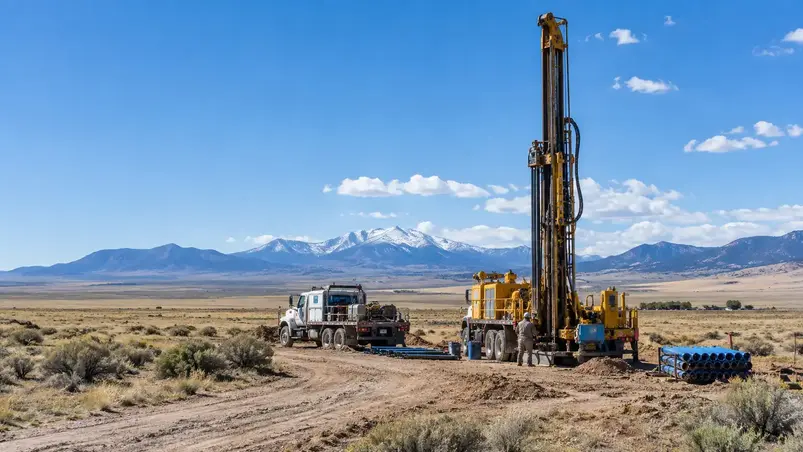
Rural Costilla County well project with difficult access, equipment staging, excavation, and undeveloped site conditions

Rural well project costs can increase when equipment access, site preparation, staging, trenching, drainage, and other property conditions require additional work.

Private Well Planning by Property Type in Costilla County

Private well planning changes with the way a rural property will be used. Homes, cabins, vacant acreage, off-grid properties, workshops, and phased developments can have different water demands, utility layouts, access requirements, and construction sequences.

Planning the well alongside the future homesite, septic area, driveway, utilities, drainage, and outbuildings can help reduce conflicts and unnecessary rework as the property develops.

Rural Residence

Coordinate the well with the home, septic system, driveway, utilities, drainage, and long term maintenance access. Plan the water system around expected household demand and future property improvements.

Seasonal Cabin

Plan around seasonal occupancy, water demand, winterization, access, septic, and permanent utility connections. Seasonal use can require different storage and operating considerations than a full time home.

Off Grid Homestead

Coordinate the well with solar power, batteries, pumping equipment, storage, septic, and other independent utilities. Water and power planning should be treated as one connected system.

Homestead & Agriculture

Gardens, livestock, and other uses can change water demand. Confirm applicable water uses before planning additional consumption or agricultural water infrastructure.

Vacant Acreage

Establish the water strategy before roads, fences, house pads, utilities, and other permanent improvements limit the site layout. Early planning can preserve practical locations for future development.

Workshop & Garage

Consider future water lines, electrical service, access, and utility corridors before constructing detached buildings. This can help avoid conflicts with later residential development.

Phased Development

Plan the initial well and utility corridors around future cabins, workshops, garages, and other permitted improvements. A phased layout can reduce unnecessary trenching and site rework later.

Recreational Property

Intermittent occupancy can create different water demands. Coordinate the system with access, wastewater, storage, utilities, and any plans to increase the property's use over time.

Future Home Site

Plan the well before finalizing the homesite, septic area, driveway, house pad, utility routes, and drainage layout. The water strategy can influence where other permanent improvements should go.

Existing Well Property

Review available well records, authorized use, equipment, water quality, and planned demand before relying on an existing well. A nearby or existing well does not automatically establish future capacity for every intended use.

Multiple Buildings

Coordinate water lines, electrical corridors, septic planning, access, and future excavation across residences and outbuildings. Think about the complete property layout rather than each building separately.

Rural Land Development

Include the well in the broader development sequence with clearing, grading, driveway construction, septic, utilities, and drainage. Coordinating these projects early can help avoid conflicting site work.

Plan the Well Around the Property's End Use

A seasonal cabin, full time residence, off grid homestead, or property with multiple buildings can have very different water system requirements. Consider current use and likely future development before establishing permanent utility corridors or selecting supporting infrastructure.

Coordinate the Well With the Entire Site Plan

On rural acreage near San Luis, Fort Garland, Blanca, San Acacio, San Francisco, Mesita, Chama, San Pedro, Los Fuertes, Garcia, San Pablo, and surrounding Costilla County areas, the well should be considered alongside the homesite, septic area, driveway, drainage, utilities, outbuildings, and future improvements.

Confirm the Applicable Water Authorization

Property type does not by itself determine what water uses are allowed. The applicable well authorization, existing water rights or wells, proposed use, and other property specific requirements should be evaluated before designing the property around an assumed water supply.

Coordinate the Physical Site Work

Once the water strategy has been evaluated, supporting site work can be coordinated around it. Depending on the project, this may include access preparation, clearing, grading, excavation, drainage, utility trenching, equipment staging, backfilling, and surface restoration.

Rural Costilla County property with a future homesite, outbuilding, access road, and planned private well development

Private well planning changes with the property's intended use, future buildings, water demand, access, septic layout, utilities, and long term development plans.

Preparing Costilla County Land for a Well and Future Development?

Whether you are planning an off grid homestead, seasonal cabin, full time residence, workshop, or phased development, the well needs to fit the property's overall layout. We can help evaluate the supporting physical site work, including land clearing, driveway access, grading, excavation, drainage, utility trenching, equipment staging, and surface restoration. Share your intended property use and planned improvements so the site work can be considered in the right sequence. Well permitting, water authorization, drilling, and specialized water system installation should be handled by the appropriate authorities and qualified professionals.

Call (719) 695-7224

Buying Costilla County Land With a Future Private Well in Mind

A parcel can look affordable because the land itself is inexpensive while the future infrastructure remains undefined. If you are buying rural acreage near San Luis, Fort Garland, Blanca, San Acacio, or elsewhere in Costilla County with plans for a future home or cabin, the potential private water supply should be evaluated as part of the land buying decision before closing.

A property's future water supply can affect the homesite, septic area, driveway, utility layout, construction access, and overall development budget. Research the parcel and applicable water requirements before designing the property around an assumed well location, yield, or water availability.

1. Verify the Actual Parcel

Confirm the legal parcel, ownership information, access, boundaries, easements, and intended development area before making infrastructure decisions based on a listing or map.

2. Research Existing Wells

Review available well records and nearby information for useful background, while recognizing that neighboring wells do not guarantee the same depth, yield, water quality, or suitability.

3. Verify the Applicable Well Authorization

Determine what well authorization and water-use requirements apply to the parcel and intended use before assuming a future private well can support the planned development.

4. Evaluate Drilling Access

Consider how drilling equipment would reach the proposed well location from the property's actual road entrance, including access roads, gates, grades, terrain, and staging areas.

5. Consider Septic Feasibility

The future well and wastewater system need to fit within the usable development area. Consider the well, septic area, home, access, and other permanent improvements together.

6. Budget the Entire Infrastructure

Include potential costs for access, drilling, pump equipment, electrical service, water lines, storage, septic, house pad work, trenching, and other site development needs.

Do Not Treat a "Well Area" on a Listing as a Guaranteed Water Supply

Real estate listings, neighboring wells, informal statements, and general groundwater assumptions should not replace property specific due diligence. Before purchasing land based on a future private well, verify the information that actually controls the proposed development.

Research the Water Supply Before Closing

Available well records can provide useful background when evaluating rural acreage, but they should be treated as information to investigate, not as a guarantee of what another well will produce. Water availability, well performance, water quality, and authorized use can vary by property and by the specific well.

Compare Land Price With Development Cost

The purchase price is only one part of developing rural acreage. Access improvements, well drilling, pumping equipment, electrical service, water line trenching, storage, septic, grading, and a future homesite can all affect the total investment required to make the property usable for its intended purpose.

Make the Future Homesite Part of the Decision

If you already know where a home, cabin, workshop, or other improvement may eventually go, consider that layout while evaluating the potential well location. The well, septic area, driveway, drainage, utility corridors, and future buildings should work together rather than being planned independently.

Coordinate the Physical Site Work After Planning

Once the applicable water requirements and overall property layout have been evaluated, supporting site work can be coordinated around the project. Depending on the property, this may include access preparation, clearing, grading, excavation, drainage, utility trenching, equipment staging, backfilling, and surface restoration.

Vast undeveloped rural acreage in Costilla County being evaluated for future homesite and private well development

Rural acreage can look ideal for future development, but water supply, access, septic feasibility, the homesite, and overall infrastructure should be evaluated before purchasing the property.

Well Drilling & Private Water Well Service Area Throughout Costilla County

We provide well site preparation, drilling access, excavation, grading, equipment staging, water line trenching, and rural water infrastructure support throughout Costilla County, Colorado. Our services are intended for rural landowners, homesteaders, future homeowners, cabin owners, ranch and agricultural property owners, and off grid property owners who need to prepare land for a private water well or coordinate well related earthwork with a larger rural development project. Projects can include well site access, drilling equipment staging areas, driveway preparation, excavation, grading, water line trenches, utility corridors, and restoration associated with well development.

  • San Luis, CO
  • Blanca, CO
  • Fort Garland, CO
  • San Acacio, CO
  • San Francisco, CO
  • Mesita, CO
  • Chama, CO
  • San Pedro, CO
  • Los Fuertes, CO
  • Garcia, CO
  • Jaroso, CO
  • San Pablo, CO
  • Viejo San Acacio, CO
  • Surrounding Rural Communities

Private well projects can look very different from one Costilla County property to another. One parcel may need access improvements before a drilling contractor can reach the proposed well site, while another may require clearing, grading, equipment staging, excavation, or water line trenching as part of a larger homesite project. The proposed well location, drilling access, property layout, septic system, future house or cabin, driveway, utility routes, power source, and intended use of the property can all affect how the water system fits into the overall development plan.

Well related earthwork can also be part of a much larger rural land development project. A future homesite may require land clearing, driveway and construction access, house pad preparation, septic site work, utility trenching, drainage improvements, solar infrastructure, water line excavation, and other grading in addition to preparing the well site. Coordinating these projects can help establish practical access for the drilling operation while protecting the locations of permanent improvements. Whether you are preparing acreage near San Luis, developing property near Blanca or Fort Garland, planning a rural cabin near San Acacio, or working on a more remote off grid property, the goal is to integrate the private water supply and supporting site work into the property's actual long term development plan.

Well drilling itself should be handled by the appropriately qualified and authorized well drilling professionals for the project. Costilla County Land Services focuses on the surrounding excavation, access, grading, site preparation, utility trenching, and rural land development work that may be needed before, during, or after well development.

Private Well Planning Checklist for Costilla County Property Owners

Planning a private well involves more than identifying a potential drilling location. The water supply should be considered alongside the property's intended use, well authorization, septic system, access, utilities, site conditions, and long term development plans.

The right planning sequence depends on the specific property and proposed water use. Available well records, applicable Colorado requirements, drilling access, site layout, water system components, and supporting infrastructure should be evaluated before committing to major site work.

  • Property Records
    Confirm the legal parcel, ownership information, access, easements, and available property records before making major decisions about the well location or supporting infrastructure.
  • Existing Well Information
    Review available well permits and records for the property and surrounding area as part of due diligence. Nearby wells can provide useful background but do not guarantee the same depth, yield, quality, or suitability.
  • Well Authorization
    Determine which Colorado well requirements and authorization apply to the proposed water use and property before designing the site around an assumed right to drill or use groundwater.
  • Proposed Well Location
    Consider the proposed well location alongside the future home, septic area, driveway, utilities, drainage, property boundaries, and other permanent improvements.
  • Drilling Access
    Determine whether the drilling rig and supporting equipment can reach the proposed location and whether adequate space is available for equipment access, staging, and site operations.
  • Septic Compatibility
    Evaluate the proposed well and onsite wastewater system together. Available development space, separation requirements, drainage, and future improvements can all affect the overall property layout.
  • Road & Driveway Access
    Consider whether the property entrance and internal access can support drilling, excavation, construction equipment, and future maintenance activities. Where improvements are needed, review rural driveway and road grading and gravel delivery for potential access and surface preparation needs.
  • Water Line Route
    Identify a practical route from the well toward the future home, cabin, cistern, or other planned point of use while coordinating with existing and future utility corridors.
  • Electrical Infrastructure
    Consider pump power, electrical service, controls, and utility routing as part of the overall property plan rather than treating the well as an isolated improvement.
  • Water Storage
    If a cistern or other storage component is part of the planned water system, coordinate its location with the well, water lines, access, electrical infrastructure, and future development.
  • Water Quality
    Plan for evaluation of the completed water supply and determine whether testing or treatment is appropriate for the property's intended use. Water quality should not be assumed from nearby wells.
  • Total Project Budget
    Budget for more than drilling. Access, pump equipment, electrical work, water lines, storage, testing, septic, excavation, and other site work can all affect the total cost of developing rural property.
  • Site Preparation
    Identify potential clearing, grading, excavation, staging, drainage, and restoration needs before drilling equipment is mobilized to the property.
  • Off Grid Power
    If the property is off grid, consider the well pump alongside solar generation, batteries, controls, storage, and the other components of the property's independent utility system. Review off grid solar planning and off grid land preparation when coordinating the overall development layout.
  • Future Maintenance
    Make sure the completed well, pump, storage, and related equipment will remain reasonably accessible for inspection, maintenance, repairs, or replacement as the property develops.
  • Long Term Property Plan
    Consider future homes, cabins, workshops, garages, driveways, utilities, and other improvements before permanently establishing the well and supporting infrastructure layout.

Prepare the Property Around the Planned Well

A preliminary well location can affect much more than the drilling operation itself. Access, clearing, grading, drainage, septic planning, water line trenching, electrical routing, future structures, and maintenance access should be coordinated before permanent site work is established.

Costilla County Land Services can help prepare the physical site around a planned private well, including driveway and access improvements, clearing, grading, excavation, equipment staging, water line trenching, drainage work, and restoration. Well authorization, drilling, pump selection, water system design, electrical work, and other specialized responsibilities should remain with the qualified professionals responsible for those systems.

Rural Costilla County property with private well infrastructure, access, water line route, and planned homesite

A private well becomes part of a larger rural infrastructure plan that can include access, water lines, power, storage, septic, the homesite, and future property improvements.

Well Drilling & Private Water Well FAQs for Costilla County, Colorado

Developing a private water supply on rural Costilla County property involves more than drilling a well. Well location, applicable Colorado well requirements, drilling access, proposed homesite, septic system, utility routing, power availability, water infrastructure, and future property use should be considered together. These answers cover common questions about private wells, well drilling, well site preparation, rural water supply, off-grid properties, homesites, septic coordination, project costs, and rural land development throughout Costilla County.

What is a private water well?
A private water well is a groundwater supply system used to provide water to a property that is not served by a public water system. A private well system may include the drilled well, casing, pump, electrical equipment, pressure components, water lines, and other infrastructure needed to deliver water to the property. The exact configuration depends on the property, intended use, well construction, and applicable requirements.
Do rural properties in Costilla County need a private well?
A rural property without access to a public water system may require some form of private water supply for a residence, cabin, or other permitted use. Whether a particular property can use a private well, what type of well is appropriate, and what requirements apply depends on the property, proposed use, water rights, well requirements, and applicable authorities. Water availability should be investigated before assuming that a parcel is ready for development.
Can I drill a well on vacant land in Costilla County?
Vacant land may potentially be developed with a private well, but ownership of an undeveloped parcel does not by itself establish that a well can be drilled or used for a particular purpose. The property, proposed use, water rights, applicable well requirements, proposed well location, access, and overall development plan should be evaluated before drilling begins.
What should I check before buying rural land for a future well?
Buyers should investigate the property's water situation before assuming that acreage will support a future home or cabin. Important considerations can include available well information, applicable Colorado well requirements, proposed use, water rights, access, septic feasibility, proposed homesite, power options, drainage, and space for future infrastructure. Review our Costilla County land buying and due diligence guide before treating a parcel as ready for development.
What should I do before drilling a private well?
Start by determining how the property is intended to be used and where the future home or cabin, septic system, driveway, utilities, and other permanent improvements may be located. Applicable well and water requirements should be confirmed, and the proposed drilling location should be coordinated with the overall property layout before drilling equipment arrives.
Where should a private well be located?
Well location depends on the property's development plan, applicable requirements, existing improvements, proposed homesite, septic system, access, drainage, utilities, and other site considerations. A well should be treated as part of the overall property layout rather than selected independently from the home, wastewater system, driveway, and utility plan.
Does the location of my septic system affect where the well can go?
Yes. Rural properties may need both a private well and an onsite wastewater system, so their locations should be considered together. Applicable separation requirements and the overall site layout need to be evaluated when determining where the well, septic system, home, driveway, and other infrastructure will be located.
How far should a private well be from a septic system?
The required relationship between a private well and an onsite wastewater system depends on the applicable requirements and the specific property. Required separation distances should be confirmed for the project before final locations are established. Well and septic planning should happen together so the two systems do not conflict with the homesite or future property improvements.
How deep are wells in Costilla County?
There is no single well depth that applies to every Costilla County property. Actual drilling depth can vary between locations based on subsurface conditions and the specific well project. A neighboring well or generalized countywide assumption should not be treated as a reliable prediction of the depth required on another parcel.
Can you guarantee that a well will produce enough water?
No. Groundwater conditions vary by location, and a well's performance cannot responsibly be guaranteed from acreage, surface appearance, or assumptions about nearby properties. Water availability and expected well performance should be evaluated by the qualified professionals responsible for the well project.
Does owning acreage guarantee that I can drill a well?
No. Owning rural acreage does not by itself establish that a particular well can be drilled or used for a particular purpose. Water rights, applicable well requirements, property characteristics, proposed use, and other project specific considerations need to be evaluated before development begins.
Can a private well supply a rural home or cabin?
A properly developed private water supply can serve a rural home or cabin when the property and proposed use meet applicable requirements and the well provides an appropriate water supply. The complete system may include the well, pump, pressure equipment, water lines, storage where appropriate, and connections to the residence.
Can a private well be used for an off-grid home?
A private well can be part of an off-grid property when the well and water system are appropriate for the property and proposed use. Off-grid planning may require additional consideration of electrical power, solar generation, battery storage, pressure equipment, water storage, and backup systems. Off-grid development does not eliminate applicable water, well, or property requirements.
Can a well work with a solar-powered property?
A private well can be incorporated into a property that uses solar power, but the water system and electrical system need to be designed to work together. Pumping requirements, pressure equipment, storage, electrical capacity, battery systems, and backup power can all affect how the complete system is configured.
Does a private well need electricity?
Many private wells use an electrically powered pump to move water from the well into the property's water system. The equipment and power requirements depend on the well and water system configuration. Rural and off-grid properties may use different power arrangements, including solar and battery systems, where appropriate.
Do I need a cistern or water storage tank with a well?
Not every private well system uses a separate storage tank or cistern. Whether water storage is appropriate depends on the well, water system design, property use, available power, and other project considerations. Storage can be useful in some rural or off-grid configurations, but the appropriate system should be determined for the specific property.
What is involved in preparing a site for well drilling?
Well drilling can require suitable access for drilling equipment, equipment staging space, a workable drilling location, and appropriate site conditions. Depending on the property, preparation may involve driveway improvements, grading, clearing, excavation, staging areas, or other site preparation needed to provide practical access for the drilling operation.
Does well drilling require heavy equipment access?
Well drilling equipment can be substantial, so access should be evaluated before drilling begins. Driveway width, grades, turning areas, overhead obstructions, soft ground, gates, existing structures, and available staging space can all affect equipment access. Site preparation should be coordinated with the drilling contractor's requirements.
Can you prepare the property for a well drilling contractor?
Yes. Site preparation associated with well drilling can include access improvements, clearing, grading, excavation, equipment staging, and related earthwork. The exact responsibilities should be coordinated with the well drilling contractor so the property is prepared for the equipment and drilling process without unnecessary work.
Can well drilling be coordinated with driveway construction?
Yes. Driveway and well planning can be coordinated when developing rural property. The driveway may need to provide equipment access for the drilling operation while also becoming the permanent access route to the future home or cabin. Planning both together can help reduce unnecessary rework. Learn more about driveway and private road grading for rural Costilla County properties.
Should I plan the well before building my house?
Water planning should occur early in the development process, before permanent homesite decisions and major construction are finalized. The timing of drilling depends on the project and property, but establishing the well location and water supply plan early can help coordinate the home, septic system, driveway, utilities, and other improvements.
Should the well and house pad be planned together?
Yes. The well location, house pad, water line route, septic system, driveway, utilities, drainage, and future improvements can all affect one another. Planning the water supply alongside the proposed homesite can help establish a more practical layout before major earthwork begins. Related planning may include house pad preparation, septic installation, and utility trenching.
How does well location affect utility trenching?
The well location can affect the route of water lines and other utility infrastructure connecting the water supply to the home or other buildings. Coordinating the well, electrical service, water lines, septic system, driveway, and utility corridors early can help reduce unnecessary excavation and conflicting infrastructure routes.
Does drainage matter when planning a well site?
Drainage and surface water conditions should be considered when planning a well site and the surrounding property. Grading, runoff, roads, structures, and other site conditions can affect how water moves across the property. The well location and surrounding improvements should be planned in accordance with applicable requirements and actual site conditions.
Can well drilling be done on sloped rural property?
Sloped property does not automatically prevent well development, but slope can affect drilling access, equipment staging, driveway construction, water line routing, grading, and the overall property layout. The appropriate approach depends on the actual site and the requirements of the drilling project.
Can well drilling be performed on difficult ground?
Drilling and site preparation can be affected by conditions encountered at a particular property. Difficult access, steep grades, limited staging space, subsurface conditions, and other site factors can affect equipment requirements, project scope, and preparation work. The drilling contractor is best positioned to determine the appropriate drilling approach for conditions encountered during the project.
Can a well be part of a larger rural land development project?
Yes. A private well may be one component of a larger rural development project that also includes land clearing, grading, driveway construction, house pad preparation, septic installation, utility trenching, solar power, and other improvements. Coordinating these projects early can help establish a more practical construction sequence.
How does a private well work with a septic system?
Rural homes may use a private well for water supply and an onsite wastewater system for wastewater treatment. Because both systems occupy space on the property and have applicable separation considerations, their locations should be planned together with the home, driveway, utilities, drainage, and future improvements.
Can a well be installed before the septic system?
The construction sequence depends on the specific property and development plan. Well and septic locations should be established together before either system is placed so that the two systems, homesite, driveway, and utilities remain compatible. The appropriate construction sequence should be coordinated with the professionals responsible for each system.
What permits or approvals are required for a private well in Colorado?
Private wells in Colorado are subject to state water and well requirements, and a project may require a well permit or other authorization before drilling or use. Requirements can depend on the property, proposed use, water rights, existing wells, and other project specific factors. Current requirements should be confirmed through the appropriate Colorado water authorities before drilling begins.
Who is responsible for designing and permitting a private well?
Well drilling, well construction, water system design, permitting, and related technical responsibilities can involve appropriately qualified professionals. Excavation and site preparation are separate from the technical design and regulatory responsibilities of the well itself. Project responsibilities should be clearly established with the drilling and water system professionals involved.
Does a private well need to be tested?
Water testing and other evaluations may be appropriate or required depending on the project and intended use. Testing can provide information about water quality and whether additional treatment may be appropriate. Applicable testing requirements and recommended analyses should be confirmed for the specific well and intended use.
How long does well drilling take?
There is no single drilling timeline that applies to every property. Project duration can depend on drilling conditions, well depth, equipment access, site preparation, weather, permitting, materials, contractor scheduling, and the complexity of the complete water system. A straightforward accessible project can have a very different timeline from a remote or difficult rural property.
How much does a private well cost in Costilla County?
Private well costs can vary substantially from property to property. Factors can include drilling depth, drilling conditions, casing, well construction, pump equipment, electrical requirements, water lines, pressure equipment, storage components where appropriate, site access, permitting, testing, and related site preparation. A property specific estimate is more useful than assuming one countywide price.
What can make well drilling more expensive?
Factors that can increase project scope include difficult drilling conditions, greater drilling depth, difficult equipment access, steep or constrained areas, extended water line runs, additional electrical work, pumping equipment, storage requirements, site preparation, permitting, testing, and other property specific requirements.
Is well drilling priced by the acre?
Well drilling is generally not something that can be accurately priced using a simple per-acre formula. Parcel size does not establish drilling depth, groundwater conditions, equipment access, or water system requirements. Drilling conditions, construction requirements, equipment, access, and intended property use are more meaningful cost factors.
Can I get a well estimate before buying rural land?
Property buyers should investigate water availability, applicable well requirements, existing well information, access, proposed use, and overall development feasibility before purchasing rural acreage. A well drilling contractor or qualified water professional may be able to provide project specific information, but an estimate should not be treated as a guarantee of water availability, well yield, or final drilling cost before the property is properly evaluated.
Can a private well support a seasonal cabin?
A private well can be part of a seasonal cabin property when the water supply and proposed use are appropriate and applicable requirements are satisfied. Seasonal properties may have different water-use patterns and winterization considerations than full time residences, so the complete water and utility system should be planned around the intended use.
Can the well serve future buildings on the property?
Future buildings and changes in property use should be considered during early planning, but a well should not automatically be assumed to have sufficient capacity or authorization for every future use. Intended water use, applicable requirements, system design, and future development plans should be evaluated before relying on an existing water supply for additional structures.
Can well work be coordinated with excavation and land grading?
Yes. Well related site work can sometimes be coordinated with excavation and site preparation, grading, land clearing, driveway construction, house pad preparation, and utility trenching. The construction sequence should be planned around the drilling contractor's access requirements and the final property development layout.
What happens to the property after well drilling?
Well drilling can leave areas that require grading, access restoration, cleanup, or other site work depending on the drilling process and property conditions. Restoration may include reshaping disturbed areas, improving access, managing excess material, and preparing the site for the next stage of property development.
Can heavy equipment drive over a completed well area?
Equipment traffic around a completed well should be managed carefully. Buried water lines, electrical components, well infrastructure, and surrounding improvements can be damaged by unnecessary heavy equipment traffic. Future construction access should be planned so the completed water system is protected.
What should I avoid building near my well?
Future structures, driveways, landscaping, septic components, utility improvements, and other permanent changes should be planned around the well and its associated infrastructure. Applicable setbacks, maintenance access, water line routing, and other requirements should be considered before placing new improvements near the water system.
What information should I provide when requesting a well project estimate?
Useful information can include the Costilla County property location, acreage, intended use, proposed home or cabin location, existing driveway and access conditions, available well or water records, proposed septic location, power situation, photographs, site plans, and whether the property is intended for full time, seasonal, or off-grid use. More complete property information makes it easier to understand the potential project scope.
Can you help with the excavation and site preparation portion of a well project?
Yes. Well projects can involve supporting earthwork such as access preparation, clearing, grading, equipment staging, excavation, utility trenching, water line trenches, and restoration. Costilla County Land Services focuses on the excavation and rural site development portion of the project rather than representing itself as the well drilling professional responsible for drilling, well construction, or technical water system design.
Do you actually drill the well?
Well drilling itself is a specialized activity that should be performed by the appropriately qualified and authorized well drilling professionals for the project. Costilla County Land Services can support the surrounding excavation, access, site preparation, grading, utility trenching, and rural development work associated with a well project, depending on the project's scope and assigned responsibilities.
What should I do if I already have a well but want to develop the property?
Start by identifying the existing well location, available records, water system configuration, water lines, electrical components, and known requirements. The existing well should then be considered when planning the homesite, septic system, driveway, utility corridors, grading, solar system, and future buildings. Avoid beginning major earthwork until existing water infrastructure has been identified and protected.
Can well planning help with an off-grid homestead?
Yes. Water is one of the foundational components of an off-grid property. Planning the private well alongside solar power, water storage where appropriate, septic, driveway access, house pad preparation, utility corridors, and future improvements can create a more practical overall development plan. The exact water system should be based on the property's conditions and intended use.
What should I do if I am buying rural land and want to build later?
Investigate the property's water situation before assuming the acreage will support your future plans. Consider private well requirements, available water information, proposed homesite, septic feasibility, driveway access, power options, drainage, and the space needed for future infrastructure. Water planning is most useful when it happens during land due diligence rather than after the homesite has already been established.

Ready to Plan Your Costilla County Well Project?

Whether you are developing a new homesite, cabin, homestead, rural residence, or off grid property, well planning should account for the proposed water supply, drilling location, equipment access, homesite, septic system, driveway, utilities, and future property improvements. Costilla County Land Services provides well site preparation, drilling access, excavation, grading, equipment staging, water line trenching, and related rural land development support. If your project also requires land clearing, driveway preparation, house pad excavation, septic site work, utility trenching, drainage improvements, or other earthwork, let us know when discussing the property so the well work can be coordinated with the larger development plan.

Call (719) 695-7224