Driveway Grading • Road Grading • Gravel Access • Rural Development

Connect With Local Experts

(719) 695-7224

⭐ Rural Driveway Grading • Private Access Roads • Roadbed Preparation • Gravel Ready Surfaces • Drainage & Crown Grading • Rural Property Access • Off Grid Driveway Development Across Costilla County

Professional Driveway & Road Grading Services in Costilla County, Colorado

Rural properties need dependable access from the property entrance to the homesite, building area, or other planned improvements. Proper driveway and road grading can establish practical grades, improve existing access, shape drainage, prepare road surfaces for gravel, and create usable routes across acreage. Costilla County Land Services provides rural driveway grading, private road grading, access road improvements, roadbed preparation, drainage aware grading, and off grid property access throughout Costilla County.

Serving San Luis, Fort Garland, Blanca, San Acacio, San Francisco, and rural properties throughout Costilla County and the surrounding San Luis Valley.

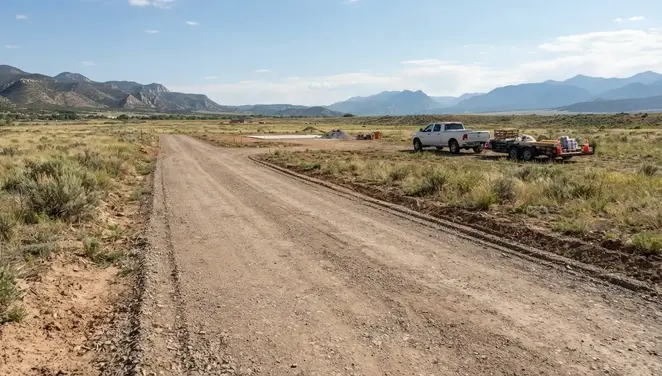
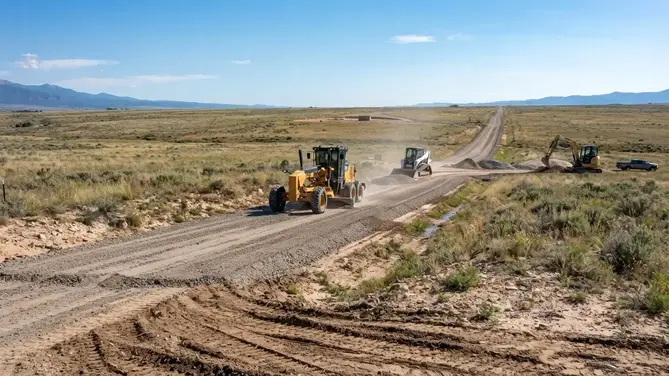
Rural driveway and private road grading project providing access to acreage in Costilla County Colorado
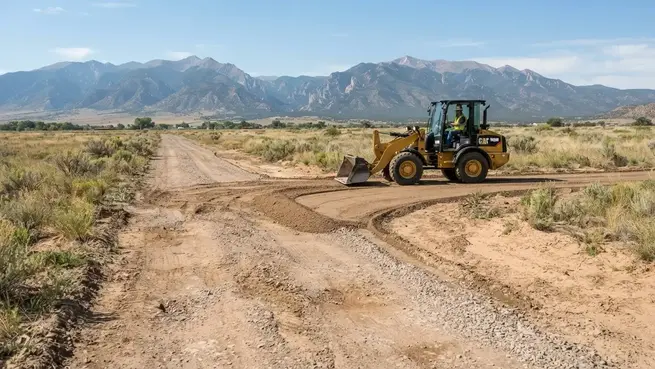
Rural Driveway Grading Shaping driveway grades and access routes to connect rural properties with planned homesites, building areas, workshops, and other improvements.
Private Road Grading Improving existing dirt roads and preparing new private access routes with practical grades, transitions, and usable driving surfaces.
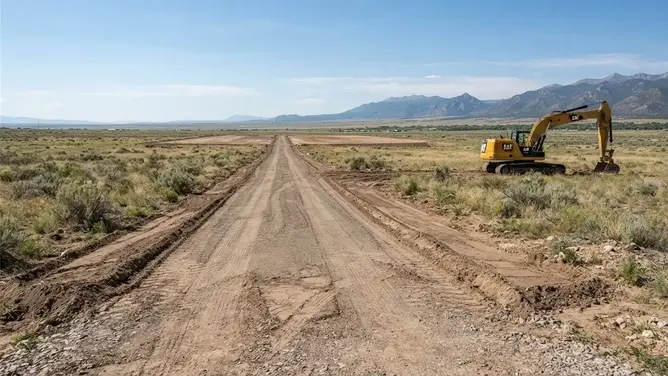
Drainage & Road Surface Considering surface water, drainage paths, road grades, and existing ground conditions when shaping rural driveways and private roads.
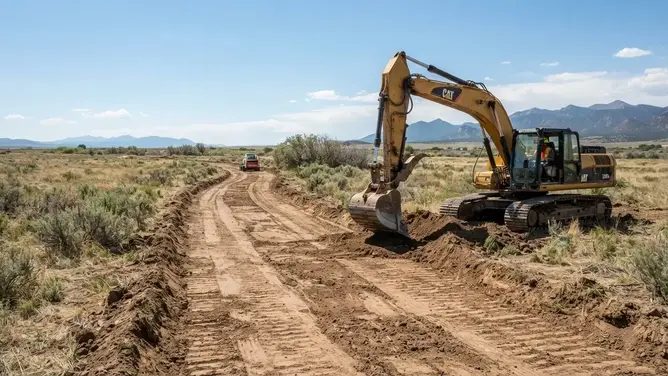
Homesite & Off-Grid Access Preparing access routes for rural homesites, cabins, utilities, septic areas, well sites, solar projects, and future off-grid development.

Driveway & Road Grading for Rural Property in Costilla County, Colorado

A rural property can be difficult to use when the driveway is poorly aligned, the access road has uneven grades, drainage crosses the driving surface, or the route to the homesite has not been properly prepared. Professional driveway and road grading can help establish practical access across rural acreage, improve existing dirt roads, prepare surfaces for gravel, and create better connections between the property entrance, homesite, building area, and other planned improvements.

Rural driveway grading is more than simply smoothing the ground or spreading gravel over an existing path. The access route needs to work with the property's existing elevations, slope, drainage, ground conditions, width, turning areas, and intended use. Depending on the property, work may involve establishing a new driveway route, regrading an existing access road, adjusting slopes and transitions, preparing a roadbed, improving drainage, widening sections, or preparing the surface for imported gravel or other suitable material.

  • Driveway Alignment & Access:
    The location and alignment of a rural driveway can affect how vehicles reach the property and connect with the homesite or other improvements. Existing terrain, property layout, access points, and planned development should be considered when establishing the route.
  • Private Road Grading:
    Longer rural access roads may require grading to establish practical driving surfaces, slopes, transitions, and connections across acreage. Existing road conditions, route length, terrain, drainage, and equipment access can all influence the work required.
  • Driveway Slopes & Grade Transitions:
    Changes in elevation can affect how vehicles enter, travel across, and leave a rural driveway. Grading can shape transitions between the property entrance, roadway, driveway, flatter areas, and planned homesite access.
  • Drainage & Surface Water:
    Rainfall and snowmelt can affect unpaved driveways and private roads, particularly where water crosses or follows the travel surface. Grading should consider existing low areas, drainage paths, surface runoff, and the relationship between the road and surrounding ground.
  • Roadbed & Existing Ground:
    Existing soil, rock, moisture, vegetation, and surface conditions can affect how a driveway or road should be prepared. Some projects may require additional excavation, shaping, material placement, or preparation before a finished driving surface is established.
  • Gravel Ready Road Preparation:
    Grading can prepare a driveway or private road for gravel or other suitable surface material. Establishing the underlying shape and grade first can help determine where additional material is needed and how the finished road surface should relate to the surrounding property. Learn more about gravel delivery for rural driveways and private roads.
  • Driveway & Road Widening:
    Existing access routes may need additional width at selected locations for vehicles, equipment, deliveries, turning movements, or connections to planned improvements. Widening requirements depend on the existing route, surrounding terrain, and intended use.
  • Construction & Equipment Access:
    Rural property development often begins with getting equipment and materials to the areas that will be improved. Driveway and road grading can be part of preparing access for excavation, building pad work, utility installation, septic work, well related work, and construction deliveries.
  • Homesite Access:
    A driveway may need to connect a public road or existing property entrance with a future home, cabin, workshop, garage, or other building area. Planning the access route together with the intended homesite can help avoid creating an awkward or unnecessarily difficult connection later.
  • Off-Grid Property Access:
    Rural and off-grid properties may require access to remote homesites, solar areas, water infrastructure, wastewater areas, utility corridors, storage areas, and other improvements. Driveway and road grading can focus on the routes needed to support the property's actual development plan.

Build the Access Route Around How You Will Use the Property

The shortest route is not always the most practical driveway route. A rural access road needs to connect the property entrance with the areas you actually need to reach while working with existing grades, drainage, ground conditions, and the surrounding terrain. The intended use of the property also matters, especially when construction equipment, material deliveries, trailers, service vehicles, or everyday residential traffic will use the route.

For a new homesite or off-grid property, it can be useful to consider the driveway and private road before other major site work begins. Access may need to connect with the future building area, construction staging, utilities, septic or water improvements, and other planned development. Coordinating those elements can help establish a more practical route and reduce the need to rebuild access after other improvements are completed.

Why Rural Driveways in Costilla County Require More Than Surface Grading

A rural driveway is part of the property's infrastructure, not simply a strip of ground between the county road and a house. On Costilla County acreage, an access route may need to connect a public roadway with a future homesite, cabin, workshop, ranch area, utility corridor, septic area, water system, storage area, or other improvement. The route needs to make sense for how the property will actually be developed and used.

That is why rural driveway construction and private road grading involve more than simply smoothing an existing dirt path. A usable access route may require consideration of the property entrance, driveway alignment, existing grades, grade transitions, drainage, road width, turning areas, roadbed conditions, surface material, and the locations of future improvements. On larger rural parcels, the driveway may become a much longer private access road serving several parts of the property rather than a short residential driveway.

Costilla County properties can also have very different access needs. A driveway serving a home near San Luis or Blanca may have a different scope from a long rural access road leading across undeveloped acreage toward a remote homesite, cabin, ranch area, or off grid improvement. Existing access may need to be regraded, widened, reshaped, or prepared for additional surface material rather than simply receiving another layer of gravel.

Property Entrance & Road Access

The point where a driveway connects to an existing roadway can affect the entire access route. The proposed entrance, surrounding ground, drainage, available access, and direction of travel should be considered before grading or building the driveway.

Driveway Alignment & Route

A rural driveway should connect the property entrance with the areas you actually need to reach. Route length, alignment, existing grades, property layout, and future development can all affect how much grading and roadbed preparation is necessary.

Homesite & Building Access

A driveway may ultimately serve a home, cabin, garage, shop, or other building area. Coordinating the access route with house pad and building pad preparation can help create a more practical connection for construction equipment, deliveries, residents, and future maintenance.

Drainage & Water Movement

Surface water can affect an unpaved driveway when it crosses, follows, or collects along the travel surface. Grading should consider existing drainage paths, low areas, runoff patterns, and how the road relates to the surrounding ground.

Roadbed Preparation

A durable rural access route starts with appropriate preparation of the existing ground. Depending on site conditions, work may involve excavation, shaping, grading, compaction, material placement, or preparation for gravel and other suitable surface materials.

Construction & Equipment Access

New rural development often begins with getting equipment and materials to the property. Driveways may need to accommodate excavators, loaders, delivery trucks, trailers, concrete trucks, and other construction traffic before the home or improvement is built.

Width, Turning & Usability

Rural access is not only about getting from one point to another. The route may also need usable width and practical areas for vehicles, trailers, equipment, deliveries, or turning movements. The required layout depends on the property and how the access road will be used.

Future Property Development

Access may eventually serve homes, agricultural areas, workshops, storage, utilities, septic improvements, water infrastructure, solar equipment, or other off grid development. Considering future uses early can reduce unnecessary grading and reconstruction later.

Plan the Driveway Around the Entire Property, Not Just the Entrance

One of the easiest mistakes on rural property is creating access that works for today's pickup but becomes difficult when a concrete truck, excavator, delivery truck, trailer, utility crew, or future homeowner needs to use the same route. A driveway that looks adequate from the road may still create problems farther into the property if the route does not connect well with the homesite, building area, drainage patterns, or other planned improvements.

For a new driveway on undeveloped acreage, it can be useful to think about the entire access route before major excavation, building pad, septic, well, utility, or off grid work begins. Establishing the access plan first can help determine where equipment will enter, where materials will be delivered, and how the driveway will connect with future improvements.

Existing dirt driveways and private roads can require a different approach. Ruts, uneven grades, erosion, drainage problems, inadequate width, or deteriorated roadbeds may mean that regrading and correcting the underlying route is more useful than simply adding additional gravel. The appropriate solution depends on the existing access route, ground conditions, drainage, intended traffic, and the work needed to create a usable road surface.

Rural driveway providing construction access to a future homesite on undeveloped Costilla County acreage

Rural access often needs to support more than everyday vehicles, including construction deliveries, equipment, trailers, and future site development.

New Driveway Construction vs. Regrading an Existing Rural Road

Not every driveway problem requires a new road. Some Costilla County properties already have an established access route that can be improved, while undeveloped acreage may require a completely new driveway corridor. The right approach depends on the condition of the existing access, the property's layout, the intended homesite or improvement area, drainage, roadbed conditions, and how the finished route will be used.

This distinction is especially important on rural acreage. A short driveway from an existing roadway may need only localized grading and surface preparation, while a longer private access road may require vegetation and route clearing, excavation, grading, drainage work, and roadbed construction before gravel or another suitable surface material is placed. In some cases, improving the existing route can be more practical than creating an entirely new driveway, but that depends on the property's actual conditions and planned use.

Regrading an Existing Driveway

An existing rural driveway may be a candidate for regrading when the route is generally usable but has developed ruts, uneven sections, poor grade transitions, low areas, or drainage related surface problems. Regrading can reshape the existing route and improve its connection to the surrounding property.

Building a New Driveway

Undeveloped acreage may require a new driveway route from an existing roadway or property entrance to a future homesite, cabin, workshop, ranch area, or other improvement. New driveway construction can involve route preparation, grading, drainage considerations, and roadbed preparation before the finished surface is established.

Rebuilding the Roadbed

Some access problems extend below the visible driving surface. When the existing roadbed is badly shaped, uneven, eroded, or otherwise unsuitable for the intended use, simply smoothing the top may not address the underlying problem. More extensive excavation, shaping, grading, or material preparation may be appropriate.

Widening Existing Access

A narrow driveway or private road may need additional usable width for trailers, equipment, deliveries, construction traffic, or turning movements. Widening can be part of a larger regrading project when the existing route no longer fits the property's current or planned use.

What Determines Whether an Existing Driveway Can Be Improved?

The first question is not simply whether the driveway looks rough. The more important question is whether the existing route provides a practical foundation for the access you need. Existing alignment, grades, drainage, roadbed condition, available width, surrounding ground, and the location of the future homesite or other improvements all affect the scope of work.

If the existing route is reasonably well positioned, regrading may involve reshaping the driving surface, correcting uneven grades, improving transitions, addressing localized drainage issues, or preparing the route for additional gravel. If the existing alignment creates larger access problems, rebuilding portions of the roadbed, widening the route, or establishing a different access corridor may need to be considered.

For a new driveway on undeveloped Costilla County acreage, planning the access route before major site work can also help coordinate future excavation, homesite preparation, utilities, septic work, well related improvements, construction staging, and off-grid development. The goal is to create an access route that supports the property as it develops, rather than solving only the immediate driving problem.

Existing rural driveway being reshaped and regraded across acreage in Costilla County Colorado

Existing rural access can sometimes be improved by reshaping the route, correcting grades, widening sections, or rebuilding portions of the roadbed rather than starting a completely new driveway.

Need an Existing Driveway or Private Road Regraded?

If your existing driveway has ruts, uneven grades, drainage problems, narrow sections, deteriorated roadbed areas, or other access issues, tell us what you are seeing and how you currently use the route. We can discuss whether the existing access may be suitable for regrading, widening, roadbed preparation, or other improvements.

Call (719) 695-7224

Planning a Rural Driveway Route Before Grading Begins

Choosing where a driveway goes is one of the most important decisions made before earthwork begins. On rural Costilla County property, the shortest route from the road to the homesite is not automatically the most practical route. Access should be considered in relation to the property entrance, intended building area, drainage, existing grades, available access, future improvements, and the vehicles that will use the road.

A well planned driveway route can make later construction and property use easier because the access road becomes the connection between the public roadway and everything farther into the property. For rural acreage, that may include a future home or cabin, garage, workshop, agricultural area, storage area, utility corridor, septic system, water infrastructure, solar equipment, or other off-grid improvements.

Route planning also helps identify situations where an existing driveway should be improved rather than replaced, where a private road needs to follow a different alignment, or where additional grading and roadbed preparation may be necessary. The appropriate route depends on the individual property and the way the access will actually be used.

  • Start at the Existing Road Access:
    Identify where the property can practically connect with the existing roadway and what conditions surround the proposed entrance. The connection point can influence the alignment, grade, drainage, and amount of work required farther along the driveway.
  • Locate the Intended Homesite or Improvement Area:
    The driveway should ultimately serve the place where the property will be used. Consider the future home, cabin, workshop, garage, agricultural area, or other improvement instead of simply choosing the closest open ground. For a planned residence or cabin, coordinate the route with house pad preparation before establishing the final access layout.
  • Evaluate Elevation Changes:
    Changes in elevation can affect driveway grades, transitions, cut and fill work, drainage, equipment access, and the amount of earthwork required. A route that looks simple on a property map can require more grading once actual ground elevations are considered.
  • Understand Existing Water Movement:
    Identify visible drainage paths, low areas, areas where water collects, and places where runoff may cross the proposed access route. A driveway should be planned with the surrounding ground and existing surface water movement in mind rather than treating drainage as an afterthought.
  • Consider Driveway Width and Road Layout:
    The route needs to provide enough usable space for the property's intended traffic. Width requirements can vary depending on whether the access will primarily serve passenger vehicles, trailers, construction equipment, deliveries, agricultural activity, or other uses.
  • Plan for Construction and Delivery Vehicles:
    Think beyond the everyday pickup truck. A developing rural property may need access for excavators, loaders, dump trucks, concrete trucks, material deliveries, trailers, utility work, and other construction traffic before the home or other improvement is complete.
  • Consider Turning and Working Areas:
    Longer rural driveways and private roads may need practical locations for vehicles or equipment to turn, maneuver, unload, or reach different parts of the property. The required layout depends on the property and how the access route will be used.
  • Allow for Future Improvements:
    A driveway can become a permanent connection between multiple parts of a rural property. Future buildings, utilities, septic areas, water infrastructure, agricultural improvements, storage areas, and off-grid systems should be considered before the final route is established.
  • Check Access, Easement, and County Requirements:
    Before construction begins, property owners should confirm that the proposed access is consistent with applicable property rights, easements, roadway jurisdiction, and current Costilla County requirements. Reviewing these issues as part of rural property research and land due diligence can help identify questions that need to be resolved before access work begins. Depending on the project, the county may have specific requirements for road access or road construction.

The Best Driveway Route Is Not Always the Shortest Route

A shorter driveway can look attractive because it may appear to reduce grading and material costs. However, the shortest route is not automatically the easiest or most useful route to build. A slightly different alignment may provide a better connection to the homesite, work with existing grades, avoid unnecessary conflicts with drainage, or provide more practical access to future improvements.

This becomes especially important on larger rural parcels where a driveway may eventually function as a private access road. The route may need to support construction traffic first and everyday property use later. Thinking about the complete development sequence before grading begins can help reduce the chance of creating access that has to be substantially changed when the property is developed.

For Costilla County properties, access planning should also account for the specific roadway connection and property conditions involved. County requirements can vary with the type and location of the work, so property owners should confirm applicable requirements with Costilla County Planning & Zoning before beginning access construction or other land use work.

New rural driveway route being graded across undeveloped acreage toward a future homesite in Costilla County Colorado

Rural driveway planning connects the property entrance with the future homesite while accounting for grades, access, drainage, and the property's larger development layout.

Rural Roadbed Preparation Before Gravel Placement

Gravel does not automatically correct a poorly shaped driveway. If the underlying route has unsuitable grades, low areas, ruts, drainage problems, weak sections, or an inadequate roadbed, placing more material on top may provide only a temporary improvement. Proper rural driveway preparation starts with the ground beneath the finished driving surface.

Roadbed preparation is the work involved in creating a suitable foundation for a driveway, private road, or rural access route before the final surface material is placed. Depending on the existing conditions, that work may involve reshaping the route, correcting grades, addressing problem areas, excavating or placing material, improving drainage, widening sections, and preparing the surface for gravel or another suitable road material.

The amount of preparation required can vary significantly between a new driveway on undeveloped Costilla County acreage and an existing dirt road that has been driven for years. A relatively sound roadbed may need limited regrading, while a severely rutted, uneven, poorly drained, or deteriorated access route may require more extensive reconstruction.

1. Evaluate the Existing Route

Identify ruts, soft or uneven areas, grade changes, drainage concerns, existing surface material, narrow sections, and other conditions that may affect the roadbed. New driveway routes can also require evaluation of the existing ground before grading begins.

2. Establish the Road Shape

Shape the access route around its intended width, grade, transitions, drainage relationship, and connection points. The objective is to create a practical route before the final surface material is placed.

3. Correct Grade & Elevation Problems

Uneven grades, abrupt transitions, low areas, or elevation changes may require additional grading, excavation, filling, or reshaping. The amount of earthwork depends on the existing route and the finished access that is needed.

4. Address Drainage Conditions

Water that collects on or travels along a driveway can contribute to erosion, rutting, and surface deterioration. Roadbed preparation should consider how the access route relates to surrounding drainage and surface water movement.

5. Prepare Problem Areas

Sections requiring excavation, additional fill, widening, reshaping, or more extensive roadbed work can be addressed before the finished driving surface is installed. Where the work involves substantial earthmoving, excavation and site preparation may form part of the broader access project. The scope depends on existing ground and road conditions.

6. Prepare for Gravel or Surface Material

Once the underlying route has been properly shaped and prepared, the driveway or private road can be readied for gravel or another suitable surface material. Surface material requirements depend on the access route, intended use, and existing conditions.

More Gravel Is Not Always the Answer

If water is following the driveway, the route has poor transitions, deep ruts, uneven grades, or an underlying roadbed that is no longer performing well, simply adding another layer of gravel may not address why the problem keeps returning. The underlying grade, road shape, drainage relationship, and roadbed condition should be considered before deciding how much additional surface material is needed.

This distinction matters when repairing an existing dirt driveway as well as when building access on undeveloped acreage. Regrading the underlying route first can create a better foundation for the surface material and may reduce the need to repeatedly add gravel without addressing the underlying access problem.

For a new rural driveway or private road, roadbed preparation can also be coordinated with the property's larger development plan. Access may need to support construction equipment and material deliveries before the finished home, cabin, workshop, or other improvement is completed.

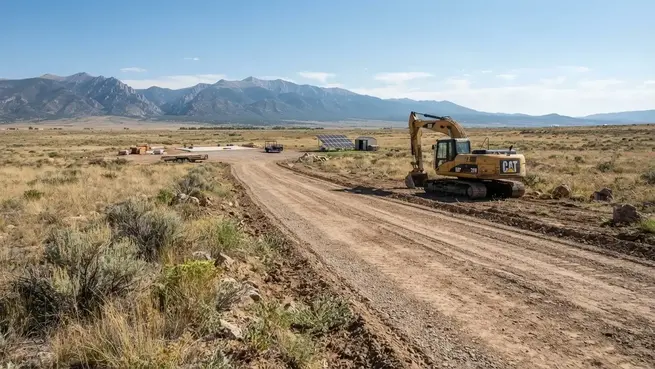
Excavator grading and preparing a rural driveway roadbed before gravel placement in Costilla County Colorado

Roadbed preparation shapes the underlying driveway route before gravel or other suitable surface material is placed.

Driveway Drainage & Runoff Management in Costilla County

Water management is one of the most important parts of a rural driveway. An access route can become difficult to maintain when runoff follows the driving surface, collects in low sections, crosses the road, or affects the connection between the driveway and surrounding ground. Good driveway grading considers the relationship between the road surface, drainage patterns, and adjacent property instead of treating water management as an afterthought.

Drainage problems can show up in several ways. Water may collect in a low section of an unpaved driveway, flow along a wheel path, cross the access route during runoff events, or contribute to ruts and erosion. Existing dirt roads can also develop recurring washouts when the road shape and surrounding drainage do not work well together. The appropriate correction depends on the property's existing grades, ground conditions, drainage patterns, road layout, and intended use of the access route.

  • Surface Runoff:
    Identify where water approaches the driveway and whether the proposed route could concentrate runoff along the travel surface. Understanding surrounding drainage can help determine how the road should relate to adjacent ground.
  • Road Crown & Surface Shape:
    Depending on the driveway design and site conditions, the driving surface may be shaped so water can move away from the primary travel area rather than remaining on the road. The appropriate surface shape depends on the route and surrounding drainage.
  • Low Areas & Standing Water:
    Depressions can collect water and contribute to soft, muddy, rutted, or deteriorated sections. Correcting the underlying grade may be part of the larger driveway repair instead of simply adding more gravel.
  • Ruts, Erosion & Washouts:
    Concentrated runoff can contribute to erosion and surface deterioration on unpaved driveways and private roads. Regrading, reshaping, or addressing surrounding drainage may be necessary when problems repeatedly return.
  • Drainage Crossings:
    Where an access route crosses a drainage feature, the appropriate crossing method depends on the actual site, roadway jurisdiction, drainage conditions, and applicable requirements. Culverts or other drainage improvements should not be assumed to be appropriate for every property.
  • Driveway & Roadway Connection:
    Drainage should be considered where a private driveway connects with an existing public roadway. The entrance needs to work with the roadway, surrounding ground, and applicable access requirements rather than directing runoff or surface material into an unsuitable location.
  • Protecting Adjacent Areas:
    Water management should be considered in relation to neighboring ground, homesites, building areas, utilities, septic areas, existing roads, and other improvements. Changes to one part of a property can affect where surface water moves elsewhere.
  • Existing Dirt Road Drainage:
    An older private road may develop drainage problems as the route changes over time. Regrading can help reshape the road, but surrounding drainage conditions should also be considered when addressing recurring problems.

Drainage Is Part of Costilla County Road Access Planning

Costilla County's current Road Access Permit application includes a driveway plan profile and a drainage plan showing the impact of the proposed access on the roadway right-of-way. The application also requests information concerning utility locations, the proposed access design, property ownership, and easements. These requirements apply to the county's road-access permitting process and should be confirmed for the specific property and proposed access route.

Costilla County's Land Use Code also identifies a Road Access Permit for access into a scheduled road, public road, or highway from a driveway or private road under County jurisdiction. The code separately addresses grading for road construction and other situation-specific land use requirements. Property owners should confirm applicable requirements with Costilla County Planning & Zoning before beginning access construction or significant road work.

Verify Current County Requirements: Review the Costilla County Planning & Zoning Resources for current applications, permit information, and land use resources.

Rural driveway being graded to improve drainage and manage surface runoff in Costilla County Colorado

Drainage aware driveway grading considers the road surface, surrounding ground, runoff paths, and low areas that can affect rural access.

Having Drainage or Runoff Problems on Your Driveway?

Tell us where water is collecting, crossing, or following your driveway, what happens after rainfall or snowmelt, and whether the problem is limited to one area or affects the larger access route. Driveway grading, road shaping, and related access work can be evaluated around the property's existing conditions and intended use.

Call (719) 695-7224

Driveway Access for Rural Homesites & Construction Projects

On undeveloped Costilla County property, the driveway is often one of the first pieces of infrastructure that needs to work. Excavators, loaders, dump trucks, material deliveries, utility crews, septic contractors, well related equipment, trailers, and other construction traffic may need dependable access before the home or other improvement is complete. Planning the access route around the larger development sequence can help reduce unnecessary rework later.

Construction access is different from simply creating a driveway that works for everyday passenger vehicles. During development, the route may need to connect the property entrance with a future homesite, building pad, construction staging area, material storage area, utility work, septic improvements, water infrastructure, or other parts of the property. The appropriate access layout depends on the size and location of the property, existing ground conditions, planned improvements, and the vehicles and equipment expected to use the route.

Equipment Access

Prepare practical access for excavators, loaders, dump trucks, trailers, and other equipment that may need to reach the homesite or areas where excavation, grading, clearing, and construction work will occur.

Homesite & Building Access

Connect the driveway or private access road with the planned homesite, cabin, workshop, garage, building pad, or other improvement while considering how construction traffic will reach the site.

Utility & Site Coordination

Consider driveway placement alongside planned utility corridors, water infrastructure, septic areas, solar equipment, and other site improvements so the access route fits into the property's larger development plan. Planned underground lines may require utility trenching coordinated with driveway placement and other site work.

Material & Construction Deliveries

A usable access route can be important for delivering gravel, fill, building materials, equipment, concrete, and other supplies. Access needs can change as a rural property moves from initial earthwork to construction and eventual occupancy.

Plan Construction Access Before Major Site Work Begins

A driveway can serve several different purposes during a rural development project. Early in the project, it may provide access for clearing and excavation equipment. Later, the same route may be used for building materials, utility work, septic installation, well related activity, deliveries, and everyday access to the completed property.

Thinking about that sequence before major grading begins can help identify where the access route should connect, how it relates to the future homesite, where construction traffic will travel, and whether portions of the driveway or private road may need additional grading, widening, drainage work, or roadbed preparation.

This is particularly relevant for rural acreage and off-grid property where the homesite or other improvements may be located well away from the existing roadway. The driveway should be planned around the actual development layout rather than treated as an isolated strip of gravel.

Driveway & Access Roads for Off Grid Properties in Costilla County

Off-grid property development can change what a driveway or private access road needs to accomplish. A remote parcel may not have a single destination. The access route may eventually connect a homesite or cabin with solar equipment, water infrastructure, wastewater improvements, storage areas, equipment locations, or other improvements distributed across the property.

That makes driveway planning part of the larger land development layout. Before grading a remote access road, it can be useful to consider where vehicles and equipment will need to travel during each stage of development and whether the route will remain practical after the property is occupied and improved.

  • Remote Homesite Access: Create a practical connection between the property entrance and a planned home, cabin, workshop, or other primary building area.
  • Solar & Energy Areas: Consider access to planned solar equipment, energy systems, battery locations, or other off-grid infrastructure that may need installation, service, or replacement. Review off grid solar site preparation when planning access to a future array or related equipment area.
  • Water Infrastructure: Account for routes serving wells, tanks, pumps, water storage, or other water-related infrastructure when those improvements are part of the property development plan. For properties using a private groundwater source, see our information on well drilling in Costilla County.
  • Septic & Wastewater Areas: Consider how driveway and access road placement relates to planned septic or wastewater improvements and the areas where installation or future service access may be needed. Review septic system installation and site planning when coordinating the proposed access route with the wastewater area.
  • Storage & Equipment Areas: Provide usable connections to remote storage buildings, equipment areas, workshops, agricultural improvements, or other parts of a larger rural property.
  • Longer Rural Access Routes: Remote homesites may require longer private roads across acreage rather than a short driveway. Route length, existing grades, drainage, ground conditions, and intended use can all affect the grading required.

Think Beyond the First Phase of Development

An off-grid driveway may be used by passenger vehicles once the property is complete, but during development it can also serve excavators, dump trucks, trailers, material deliveries, utility work, septic installation, well related activity, and equipment servicing. Planning the access route around the property's longer term layout can help reduce the need to rebuild or relocate portions of the road later. For broader coordination of these improvements, see our off grid land preparation services.

The best route depends on the individual property and development plan. Existing access, elevation changes, drainage, the location of planned improvements, property layout, and the type of vehicles expected to use the road can all influence how an off-grid driveway or private access road should be graded.

Rural access road connecting an undeveloped Costilla County property with a future off-grid homesite

Off-grid access roads may connect remote homesites with future buildings, equipment areas, water infrastructure, solar systems, and other rural improvements.

Common Rural Driveway Problems in Costilla County

Rural driveway problems can have different causes and may require different solutions. Ruts, drainage issues, uneven grades, washouts, narrow access, and surface deterioration can all affect how a driveway or private road performs over time.

Deep Ruts

Ruts can result from repeated traffic, water movement, or roadbed problems. Regrading may be needed when surface repairs keep failing or the driveway develops the same low tracks repeatedly.

Standing Water

Water collecting on the driveway can indicate problems with surface shape, surrounding grades, or the route water takes across the property. Regrading may help restore a more practical drainage path.

Difficult Grades

Uneven slopes or abrupt transitions can make a driveway harder to use for vehicles, trailers, deliveries, and construction equipment. Grade correction may improve the connection between different areas.

Narrow Access

Limited width can create problems for trailers, equipment, deliveries, or vehicles that need additional room to enter and turn. Selected sections may benefit from driveway widening.

Washouts & Erosion

Runoff can erode unpaved driveways and private roads, removing surface material and damaging portions of the access route. Repairs may require reshaping the affected area as well as replacing material.

Gravel Loss

Repeated gravel loss may point to drainage, grade, surface, or roadbed conditions that need correction before more material is added. Proper grading can help prepare the route for additional gravel.

Soft Areas

Some driveway sections may perform differently from surrounding ground and require additional preparation before regular traffic can use them. Problem areas may need grading or roadbed work before surfacing.

Damaged Edges

Eroded or broken road edges can reduce usable width and allow surface material to move away from the main driving area. Edge correction can be part of a larger driveway grading project.

Poor Transitions

Awkward connections between roads, driveways, slopes, and flatter areas can make rural access less comfortable and practical. Reshaping these transitions can improve the overall driveway route.

Fix the Problem, Not Just the Surface

Adding gravel is not always the complete solution. Depending on the driveway, repairs may involve regrading, drainage correction, roadbed preparation, widening, or reshaping before additional surface material is placed.

Addressing the underlying condition can be especially important when the same ruts, washouts, drainage problems, or surface failures continue to return after previous driveway repairs.

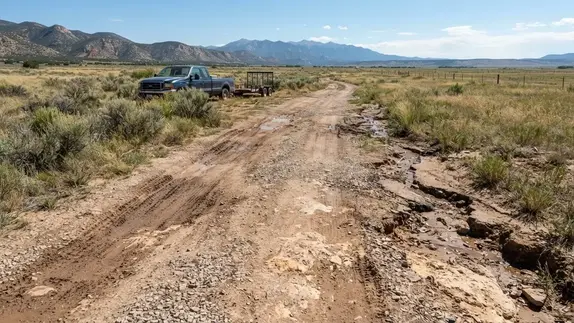
Rural dirt driveway with ruts, surface erosion, and drainage related damage in Costilla County Colorado

Ruts, erosion, drainage problems, and surface deterioration can make an unpaved rural driveway harder to use and may require more than simply adding additional gravel.

Having Problems With an Existing Rural Driveway?

Tell us where the driveway is failing, including ruts, washouts, standing water, gravel loss, soft areas, difficult grades, damaged edges, or other access problems. Regrading, roadbed preparation, drainage correction, widening, and related driveway improvements can be considered based on the condition and intended use of the existing route.

Call (719) 695-7224

Costilla County Driveway Access & land use Considerations

A rural driveway connects more than a property entrance to a homesite. It can involve the existing roadway, drainage, easements, property boundaries, planned development, and the broader land use requirements that apply to the parcel. Before moving dirt, property owners should confirm which Costilla County requirements apply to the specific property and proposed access route.

Requirements can vary depending on where the property is located, how the driveway connects to an existing road, the type and extent of proposed earthwork, whether county road right-of-way is affected, and whether the project involves additional development such as a homesite, building pad, utilities, septic, water infrastructure, or other improvements.

Road Access

Costilla County maintains a Road Access Permit application for proposed access to county roads. The application addresses items such as access location, driveway plan profile, drainage impact, utilities, ownership, and easements.

Grading Requirements

The County provides a Grading Permit Application through Planning & Zoning. Property owners should confirm whether proposed excavation, grading, filling, or other earthwork requires approval before work begins.

Road Cutting

Cutting across an existing county road is different from grading an access route entirely within private property. County road cutting may involve a separate application and additional requirements.

Floodplain Considerations

Properties or access projects involving mapped floodplain areas may have additional requirements. Confirm whether floodplain regulations apply before changing grades or placing improvements.

Confirm Requirements Before Starting Earthwork

Costilla County Planning & Zoning provides land use information and directs property owners to review applicable County requirements before purchasing property, beginning construction, or changing or improving property. This is especially important when a new driveway will connect to a county roadway or when grading could affect drainage, road right-of-way, floodplain areas, or other regulated conditions.

Requirements should be confirmed for the specific parcel and access route rather than assuming that a driveway project on one property will be treated the same way as a project somewhere else in Costilla County. If you are planning a new rural driveway, private road, homesite access, or major grading project, verify the current requirements with Costilla County Planning & Zoning before beginning significant earthwork.

Planning & Zoning is located at 400 Gasper Street in San Luis. Confirm the County's current contact information and office hours before visiting or submitting an application.

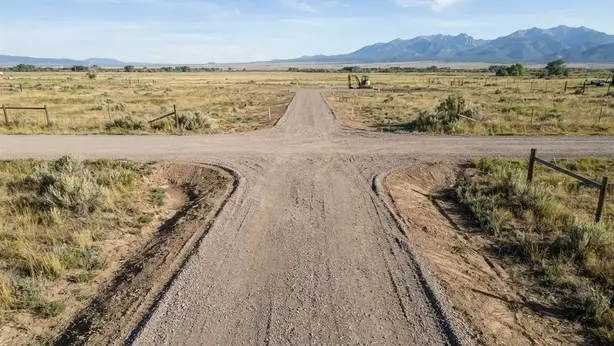
Rural private driveway connecting to an existing roadway in Costilla County Colorado

A rural driveway may involve more than the private access route itself, particularly where the property entrance connects with an existing county roadway.

Costilla County Rural Driveway Planning Checklist

Before requesting driveway grading or private road work, gather basic information about the property, existing access, and intended route. You do not need every construction detail finalized, but having a clear picture of the property can make driveway planning, estimating, and discussions about site access much more productive.

  • Property Location: Provide the parcel location and nearest roadway, community, or recognizable landmark so the access route can be identified.
  • Existing Access: Explain whether the property already has a driveway, dirt road, trail, rough access route, or no established vehicle access.
  • Approximate Route Length: Estimate the distance from the existing road or entrance to the homesite, building area, or other destination the driveway needs to reach.
  • Desired Width: Consider whether the route must accommodate passenger vehicles, trailers, deliveries, construction equipment, or larger service vehicles.
  • What the Road Will Serve: Identify the future home, cabin, workshop, ranch area, agricultural use, storage area, or other improvement requiring vehicle access.
  • Elevation & Grade: Note steep sections, noticeable elevation changes, difficult transitions, or areas where the route may require substantial cut and fill work.
  • Known Drainage: Point out low areas, drainage paths, washouts, wet sections, or locations where runoff crosses or follows the existing access route.
  • Property Photos: Photos of the road entrance, existing driveway, difficult sections, drainage areas, and proposed homesite can help with initial planning.
  • Parcel Information: A parcel map, survey, site plan, or other available property information can help communicate the proposed driveway route and surrounding features.
  • Access & Easements: Identify known easements, shared access arrangements, or other documents that may affect how the driveway reaches the property.
  • Construction Needs: Consider whether excavators, concrete trucks, gravel trucks, trailers, utility crews, or other equipment will need access during development.
  • Future Site Improvements: Consider planned homesites, septic areas, wells, utilities, shops, agricultural areas, solar equipment, or other improvements before finalizing the access route.

A Better Driveway Plan Starts With the Whole Property

The most useful driveway information is not simply the distance from the road to the house. The access route may become the primary construction corridor for the property and later serve everyday vehicles, deliveries, maintenance equipment, septic or well work, utilities, and other improvements.

If you are developing rural acreage in Costilla County, bringing a parcel map, photographs, approximate measurements, and a description of what you want the driveway to serve can help identify potential grading, drainage, access, and roadbed issues before major earthwork begins.

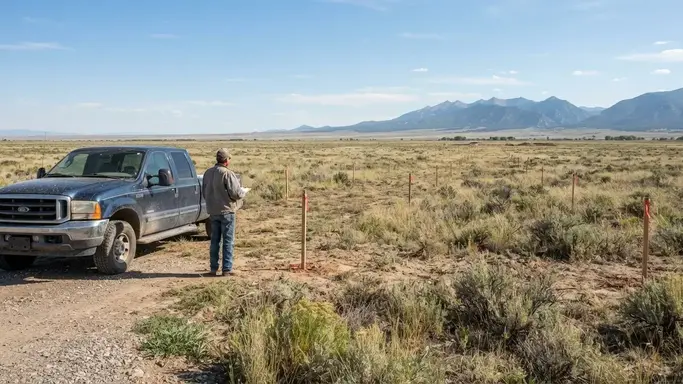
Rural property access route being planned with survey stakes across undeveloped acreage in Costilla County Colorado

Planning the driveway around the property entrance, future homesite, drainage, existing access, and intended use can help define a more practical rural route.

What to Include When Requesting a Driveway Grading Estimate

The more clearly the access project is described, the easier it is to understand what type of driveway grading, private road work, roadbed preparation, or access improvement may be involved. You do not need an engineered road design to start a conversation, but basic property and access information can make the initial estimate discussion much more useful.

A driveway grading estimate can vary depending on whether the project involves a new driveway, an existing dirt road, a longer private access road, drainage correction, roadbed preparation, widening, or a combination of services. Providing basic information about the property and existing access helps describe the project more clearly.

For rural properties in Costilla County, it can also help to explain what the driveway or private road will eventually serve. A homesite, cabin, workshop, ranch area, agricultural property, or off grid development project may have different access needs during both construction and long term use.

1. Provide the Property Location

Share the Costilla County property location and identify the roadway where the driveway or private access road will connect. The nearest community or recognizable location can also help identify the general project area.

2. Describe Existing Access

Explain whether the property has an established driveway, private road, rough trail, partial access route, or no existing vehicle access. Mention whether the current route is usable or needs major improvement.

3. Estimate the Route Size

Provide an approximate driveway or road length and desired width when possible. Note sections that may require widening, extension, grade correction, turning space, or additional roadbed preparation.

4. Explain the Intended Use

Explain whether access is for a home, cabin, workshop, ranch, agricultural area, construction project, recreational property, or off-grid development. Intended use can affect the access requirements.

5. Include Photos & Maps

Photos of the roadway entrance, existing driveway, difficult sections, drainage areas, and proposed homesite can help explain current conditions. Parcel maps or available site information can also help show the intended route.

6. Identify Known Problems

Mention ruts, washouts, standing water, loose gravel, soft areas, steep transitions, narrow sections, drainage crossings, difficult turns, or other conditions affecting rural property access.

Explain What You Need the Access Route to Accomplish

A driveway serving a completed rural home can have different needs from temporary construction access to a remote homesite. If excavators, loaders, gravel trucks, trailers, building-material deliveries, septic equipment, well related equipment, or other construction traffic will use the route, include that information when describing the project.

For an existing driveway, explain what is happening now and where the access is failing. Recurring ruts, washouts, standing water, gravel loss, soft areas, or difficult grades may indicate that regrading, drainage work, roadbed preparation, widening, or other improvements are needed rather than simply adding more surface material.

For a new driveway or private road, explain what the access will eventually serve and how the property is expected to be developed. Construction access, material deliveries, utilities, septic work, water infrastructure, and future residential or off-grid improvements can all affect how the access route should be planned and prepared.

Driveway & Rural Road Grading Costs in Costilla County, Colorado

Driveway and private road grading costs in Costilla County depend on the access route and the work needed to make it practical for everyday use. A short driveway serving a homesite near San Luis or Blanca may require relatively limited grading, while a longer rural road crossing acreage toward a remote homesite, cabin, ranch area, or off-grid improvement can require substantially more earthwork and roadbed preparation.

Route length is only one part of the cost. Existing grades, elevation changes, drainage, vegetation, roadbed condition, ground conditions, driveway width, equipment access, material requirements, and the intended use of the road can all affect the scope. A new driveway across undeveloped acreage is also a very different project from regrading an existing private road.

Typical Costilla County Driveway & Road Grading Investment Ranges

Rural Driveway & Homesite Access

$2,500 to $8,000+

Shorter driveway routes serving rural homesites, cabins, garages, or workshops. Cost depends on grading, transitions, drainage, existing ground, and surface preparation.

New Driveway Construction

$3,000 to $12,000+

New access routes across undeveloped property may require clearing, grading, roadbed preparation, drainage shaping, and preparation for gravel or other suitable surface material.

Private Road & Rural Access Grading

$10,000 to $50,000+

Longer private roads can serve remote homesites, ranch areas, agricultural acreage, cabins, and other improvements. Route length, grading quantities, drainage, and equipment time affect cost.

Cut & Fill Driveway Grading

$5,000 to $20,000+

Used when changing elevations require material to be cut, moved, and placed to create more practical grades, transitions, and connections along the access route.

Drainage & Road Grade Correction

$3,000 to $15,000+

Existing driveways with ruts, low areas, washouts, or drainage problems may need regrading, surface reshaping, and roadbed correction rather than simply adding more gravel.

Remote & Off Grid Access

Custom Quote

Remote acreage may require longer access routes to homesites, cabins, solar areas, water infrastructure, septic areas, or construction zones. Scope varies significantly by property.

What affects driveway grading costs? Driveway length and width, existing grades, elevation changes, drainage, roadbed condition, ground conditions, vegetation, equipment access, material quantities, hauling, and the intended use of the access route can all influence the cost of driveway and private road grading in Costilla County.

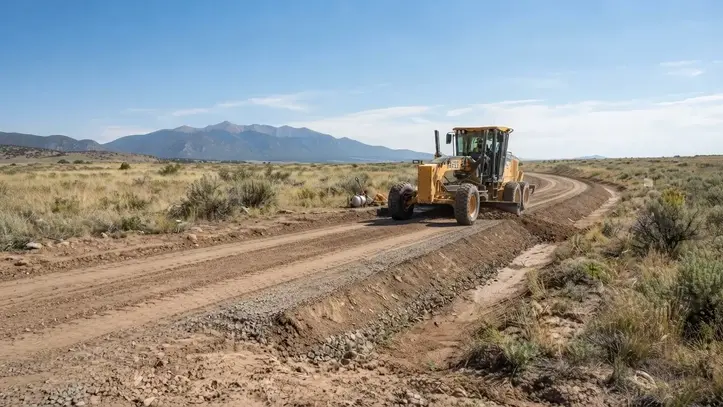
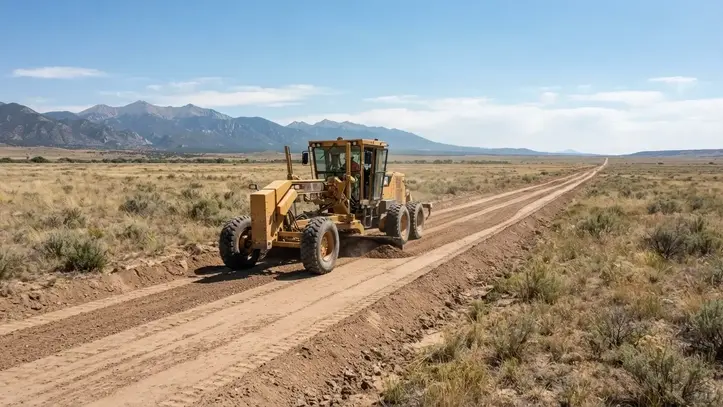
Motor grader shaping a rural private access road across undeveloped acreage in Costilla County Colorado

Driveway grading costs can vary with route length, width, grade changes, roadbed condition, drainage, material movement, equipment access, and intended use.

Need a Driveway or Private Road Grading Estimate?

Tell us the property location, approximate route length and width, existing access conditions, intended use, and any known grading, drainage, roadbed, or access problems. Project scope can vary between a short homesite driveway, an existing driveway repair, a new rural access route, and a longer private road across undeveloped acreage.

Call (719) 695-7224

What Actually Determines the Cost of Driveway & Road Grading?

A driveway grading estimate is based on the access route and the work it actually needs, not simply the number of acres on the property. Two rural properties with similar acreage can have very different driveway or private road requirements depending on route length, width, existing grades, drainage, roadbed condition, ground conditions, equipment access, and how the finished access will be used.

Driveway or Road Length

The length of the access route directly affects the amount of grading, equipment time, material handling, and preparation involved. A short driveway connecting a roadway to a nearby homesite is a very different project from a long private road crossing rural acreage to reach a remote building area.

Longer access routes can also involve more grade transitions, drainage conditions, difficult sections, and areas that require additional roadbed preparation.

Driveway Width & Route Layout

The width of the finished driveway or private road affects how much ground must be shaped and prepared. Existing access may also need widening at selected locations for vehicles, trailers, equipment, deliveries, or connections to planned improvements.

Route layout matters as well. Curves, turning areas, property entrances, homesite connections, and changes in direction can affect the amount of grading required along the access route.

Slope & Grade Changes

Existing elevation changes can have a major effect on driveway grading. A relatively straightforward access route may require limited shaping, while uneven grades, abrupt transitions, or more significant elevation changes can require additional excavation, filling, reshaping, or cut and fill work.

The goal is not necessarily to make a rural property completely flat. The access route needs practical grades and transitions that work with the surrounding property and its intended use.

Existing Roadbed Condition

An existing dirt driveway or private road may already have a usable roadbed, or it may have ruts, soft sections, uneven grades, surface deterioration, or other problems that require more extensive preparation before additional gravel or surface material is placed.

Regrading a reasonably sound access route can be very different from rebuilding portions of a deteriorated roadbed. Where the work requires more extensive earthmoving or ground preparation, excavation and site preparation may also be needed to address the underlying conditions.

Drainage & Surface Water

Water movement can affect both the design and repair of a rural driveway. Low areas, runoff paths, drainage crossings, erosion, washouts, and water traveling along the access route may require additional grading or drainage related work.

Addressing the underlying drainage relationship can require more work than simply smoothing the visible surface or adding another layer of gravel.

Equipment Access & Mobilization

Grading equipment needs a practical way to reach the property and work area. Existing road access, gate or entrance conditions, narrow sections, difficult approaches, staging space, and the distance to the work area can all affect equipment movement and project efficiency.

A straightforward equipment route can simplify the work, while difficult access may require additional preparation or a different sequence of operations.

Material Movement & Roadbed Work

Some driveway projects primarily involve reshaping existing ground, while others require excavation, fill placement, material movement, or additional roadbed preparation. The amount of material that must be cut, moved, placed, spread, or otherwise handled can affect the overall project scope.

Where suitable material can be reused within the project, the work may be approached differently than when additional material needs to be brought to the property. Depending on the roadbed and surface requirements, gravel delivery may be part of the overall access improvement.

Intended Use of the Access Route

A driveway serving a completed rural home may have different requirements from temporary construction access to a remote homesite. Equipment, trailers, deliveries, ranch traffic, agricultural use, workshops, cabins, and off-grid development can all influence the access route that needs to be prepared.

Defining the intended use helps keep the project focused on the driveway or private road improvements actually needed rather than treating every access route the same way.

Worried About Surprise Driveway Grading Costs?

That concern is understandable when planning rural access work. The purpose of identifying these cost factors is to make the estimate easier to understand before grading begins. Rather than assuming that driveway length alone determines the price, the project can be considered around the route length, width, existing grades, roadbed condition, drainage, equipment access, material movement, and intended use.

Existing conditions can also change the scope. A driveway that appears to need simple regrading may have drainage problems, deteriorated roadbed sections, difficult grade transitions, or areas requiring additional preparation. If a materially different site condition or requested change affects the work, that change should be identified and discussed before proceeding beyond the original scope whenever practical.

You should not have to guess what you are paying for. The more clearly the driveway route, existing conditions, intended use, and desired finished access are defined, the easier it is to understand what the grading work is intended to accomplish and why the project scope may vary from one Costilla County property to another.

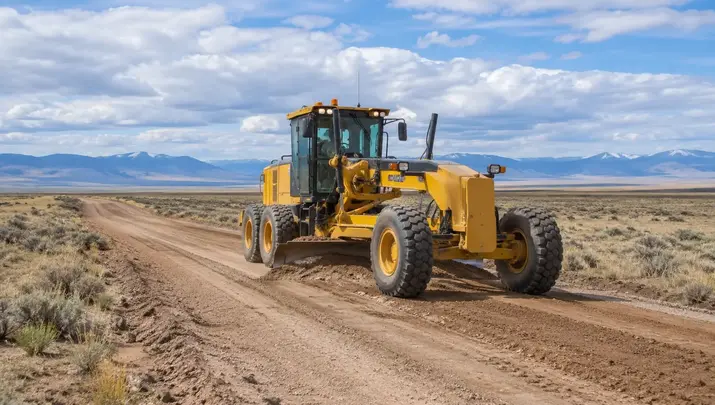
Motor grader shaping a long rural private access road across undeveloped acreage in Costilla County Colorado

Driveway grading costs can vary with route length, width, grade changes, roadbed condition, drainage, equipment access, material movement, and the intended use of the finished access route.

Driveway & Road Grading Service Area

We provide professional driveway and private road grading throughout Costilla County, Colorado. Our work supports rural landowners, homesteaders, ranch owners, agricultural property owners, future homeowners, and off-grid property owners who need dependable access across acreage. Projects can include new driveway preparation, existing driveway regrading, private road improvements, roadbed preparation, driveway widening, drainage aware grading, gravel ready surfaces, and access routes connecting rural properties with homesites and other planned improvements.

  • San Luis, CO
  • Blanca, CO
  • Fort Garland, CO
  • San Acacio, CO
  • San Francisco, CO
  • Mesita, CO
  • Chama, CO
  • San Pedro, CO
  • Los Fuertes, CO
  • Garcia, CO
  • Jaroso, CO
  • San Pablo, CO
  • Viejo San Acacio, CO
  • Surrounding Rural Communities

Rural access needs can vary significantly from one Costilla County property to another. Some projects involve a short driveway from an existing roadway, while others require a longer private access route across undeveloped acreage to reach a homesite, cabin, ranch area, workshop, utility area, or other improvement. Driveway grading may also form part of a broader rural development project involving land clearing, building pad preparation, gravel, utilities, septic, wells, or off grid land development.
Whether you need to establish a new driveway, improve an existing dirt road, regrade a rough access route, prepare a roadbed for gravel, or create better construction access to a rural homesite, our driveway and road grading services are focused on the actual access route and how you intend to use your property.

Driveway & Road Grading FAQs for Costilla County, Colorado

Rural driveway and private road projects in Costilla County can involve much more than simply smoothing an existing dirt path. The right approach depends on the property's access point, driveway alignment, existing grades, drainage, ground conditions, road length, intended vehicle use, and what the access route needs to connect to. These answers cover common questions about new driveways, private roads, roadbed preparation, gravel ready surfaces, homesite access, drainage, and off-grid property development throughout Costilla County.

What types of driveway and road grading projects do you handle in Costilla County?
Driveway and road grading can be used for rural homesites, cabins, ranch properties, agricultural acreage, recreational parcels, undeveloped land, private access roads, long driveways, construction access routes, and off-grid properties. Depending on the site, work may include establishing a new driveway route, regrading an existing road, improving road grades, shaping the roadbed, widening selected areas, correcting surface problems, preparing for gravel, or improving the connection between the property entrance and planned improvements.
What is included in rural driveway grading?
The scope depends on the condition of the existing ground and what the driveway needs to accomplish. Driveway grading may include establishing the route, shaping the driving surface, adjusting grades and transitions, preparing the roadbed, correcting uneven areas, addressing drainage related surface problems, widening sections where needed, and preparing the route for gravel or another suitable surface material. A new driveway can require considerably different preparation from repairing an established access route.
Can you grade a new driveway on undeveloped land?
Yes. A new rural driveway may require establishing an access route across previously undeveloped ground before grading and roadbed preparation can begin. The route should be considered in relation to the property entrance, intended homesite, existing elevations, drainage, surrounding improvements, and how vehicles and equipment will actually use the property. Depending on the site, vegetation clearing, excavation, drainage work, or imported aggregate may also be part of the larger access project. The required preparation depends on the proposed route and the conditions found on the property.
Can you regrade an existing dirt driveway?
Existing rural driveways can often be regraded when the surface has become uneven, rutted, poorly shaped, or difficult to use. The amount of work depends on how deep the problem extends and whether the existing roadbed can be reshaped or requires additional preparation. Regrading may involve reshaping the surface, correcting grade transitions, improving drainage, addressing low areas, or preparing the driveway for additional gravel.
Can you grade private roads across rural acreage?
Yes. Private rural roads can provide access to homesites, cabins, ranch areas, agricultural portions of a property, storage areas, recreational areas, or other improvements. Grading may establish a more usable driving surface, improve uneven sections, shape transitions, and prepare the route for additional road material. The scope depends on the length, alignment, existing ground, drainage, access, and intended traffic.
How do you determine where a rural driveway should go?
The driveway route should be considered in relation to the existing property entrance, planned homesite or building area, surrounding ground, drainage, available access, and intended use. The shortest route is not necessarily the most practical one. For rural development, it is also useful to consider how construction equipment, deliveries, utilities, septic related work, water infrastructure, and everyday vehicles will use the route.
Should the driveway and homesite be planned together?
In many rural projects, they should be considered together. The driveway determines how vehicles and equipment reach the homesite, while the homesite determines where the driveway ultimately needs to connect. Their relationship can also affect drainage, grading, utility routing, construction staging, septic planning, and future property improvements. Establishing both areas before major earthwork can help avoid creating an access route that works poorly with the final site layout.
Why does driveway slope matter?
Driveway slope affects how vehicles travel between the property entrance and the areas being served. Changes in elevation can create difficult transitions, drainage problems, or sections that are less practical for everyday vehicles and construction equipment. Grading can be used to shape the route and its transitions around the property's existing elevations, although the appropriate grade depends on the actual site and intended use.
Can you grade a steep rural driveway?
Sloped properties require more site specific planning because the driveway must work with changing elevation, drainage, ground conditions, and equipment access. Depending on the property, the project may involve adjusting the route, creating transitions, cutting or filling portions of the roadbed, improving drainage, or using a different alignment. The appropriate approach should be based on the actual property rather than applying one standard driveway design to every parcel.
Why is drainage important for a rural driveway?
Water can quickly affect an unpaved driveway when it follows the driving surface, collects in low areas, or crosses the route without adequate consideration. Driveway grading should account for existing drainage paths, surface runoff, low areas, slopes, and the relationship between the roadbed and surrounding ground. The goal is to create an access route that works with the property's drainage rather than simply directing water along the driving surface.
Do rural driveways need drainage or a crown?
Drainage treatment depends on the driveway's grade, surrounding ground, rainfall and snowmelt patterns, surface material, and how water currently moves across the property. Depending on the site, the road surface may be shaped to encourage water to leave the travel area, while other locations may require additional drainage measures. The appropriate approach should be based on the actual route and site conditions rather than assuming every driveway needs the same drainage configuration.
Do rural driveways need culverts?
A culvert may be appropriate where a driveway crosses an existing drainage path, roadside ditch, or other location where water needs to pass beneath the access route. Whether a culvert is needed, and what type or size may be appropriate, depends on the specific site, drainage conditions, access requirements, and applicable local requirements. Property owners should confirm any required access or drainage requirements before installation.
Can you prepare a driveway for gravel?
Yes. Grading can establish the underlying shape of a driveway or private road before gravel or other suitable aggregate is placed. Depending on the existing conditions, preparation may involve shaping the route, correcting soft or uneven areas, establishing appropriate grades, improving drainage, and preparing the roadbed. Gravel placement is a separate material decision, so the required aggregate and quantity depend on the project.
Does driveway grading include gravel delivery?
Grading and gravel placement are related but separate parts of many rural access projects. Grading establishes the underlying route and roadbed, while aggregate provides the finished or improved driving surface. Depending on the project scope, gravel or fill material may be incorporated into the overall access plan. The amount and type of material needed depend on the existing roadbed, project dimensions, intended use, and surface requirements.
Can you widen an existing rural driveway?
Existing driveways can sometimes be widened where additional room is needed for vehicles, trailers, construction equipment, deliveries, turning movements, or connections to planned improvements. Widening may require additional clearing, excavation, grading, or material placement. The amount of work depends on the existing driveway, surrounding ground, property layout, and intended use.
Can you improve driveway access for construction equipment?
Yes. Rural development often begins before a home or other structure exists, so excavators, loaders, trucks, material deliveries, and other equipment may need reliable access to the property. Driveway and road grading can be part of preparing that route before excavation, building pad work, utility installation, septic work, well related work, or other construction begins.
Can you grade access for an off-grid property?
Yes. Off-grid properties may require access to a remote homesite, cabin, solar area, water infrastructure, wastewater area, storage location, or other improvements spread across the parcel. A driveway or private road can be planned around the property's actual development sequence so equipment, materials, and vehicles can reach the areas that need work. Access planning is especially important when improvements are located far from the existing road.
Can driveway grading be coordinated with utilities, septic, or a well?
Yes. Rural access should be considered alongside the property's broader development layout. The driveway may need to connect with the homesite while underground utilities, septic system improvements, and water infrastructure are planned nearby. Coordinating the access route with the intended development areas can help avoid unnecessary crossings, rework, or conflicts later in the project.
Can you grade a driveway before building a home or cabin?
Yes. Establishing usable access before construction can provide a route for equipment, material deliveries, workers, and future residential traffic. The driveway can be considered together with the proposed building area, construction staging, drainage, utilities, and other site improvements. Depending on the project, driveway preparation may occur before or alongside broader excavation and homesite preparation.
What causes an existing rural road to develop ruts and uneven areas?
Ruts and uneven surfaces can develop from repeated vehicle traffic, water movement, inadequate surface shaping, soft areas, changing ground conditions, or deterioration of the existing roadbed. The correct repair depends on whether the problem is primarily at the surface or extends deeper into the roadbed. Simply adding material to a poorly shaped surface may not address the underlying issue, which is why grading and roadbed condition should be considered together.
Can you repair an existing private road instead of building a new one?
Often, improving an existing route can be more practical than creating an entirely new access road, but the condition of the roadbed determines what can reasonably be repaired. Work may include regrading, reshaping, improving transitions, correcting drainage related problems, widening selected areas, or preparing the surface for additional material. If the underlying route has significant problems, more extensive reconstruction may be necessary.
Does driveway grading involve excavation?
It can. Some driveway projects can be completed primarily through surface grading, while others require excavation, cut and fill work, roadbed preparation, or additional material placement. The required approach depends on existing elevations, ground conditions, driveway alignment, drainage, and the condition of the existing access. Not every rural driveway requires the same amount of excavation.
How do Costilla County site conditions affect driveway grading?
Conditions vary from parcel to parcel throughout Costilla County and the surrounding San Luis Valley. Open acreage, changing elevations, vegetation, ground conditions, drainage, road length, and existing access can all affect how a driveway or private road should be prepared. For that reason, the appropriate grading approach and project scope should be based on the actual property rather than assuming every Costilla County parcel has the same conditions.
Do I need to check Costilla County requirements before building a driveway?
The requirements depend on the property's location, the proposed access, project scope, and other site conditions. Costilla County provides resources addressing land use, road access, road cutting, grading, floodplain areas, and other development-related matters. Property owners should confirm the requirements that apply to their specific parcel with Costilla County Planning & Zoning before beginning significant access work rather than assuming every driveway or private road is treated the same way.
Does connecting a driveway to a public road require additional planning?
It can. The connection between a private driveway and an existing public road is different from grading an interior access route. The entrance may involve considerations related to the existing roadway, drainage, access location, property boundaries, easements, and applicable road-access requirements. The property owner should confirm the requirements for the specific road and parcel before establishing or modifying the connection.
How much does driveway grading cost in Costilla County?
There is no single price that accurately describes every Costilla County driveway grading project. Cost can be affected by driveway length, existing access, slope, ground conditions, vegetation, grading requirements, drainage, roadbed preparation, equipment mobilization, material quantities, and whether excavation, clearing, or gravel placement is also included. A short existing driveway that needs regrading can have a very different scope from a new access road crossing rural acreage.
How long does driveway or private road grading take?
Project duration depends on the length and width of the access route, existing conditions, grading required, drainage work, vegetation, equipment access, material handling, weather, and whether additional excavation or gravel work is included. A short driveway repair may be relatively limited, while a new rural access road across acreage can require substantially more preparation.
What equipment is typically used for driveway and road grading?
Equipment depends on the size and condition of the project. Depending on the work required, grading projects may involve excavators, dozers, skid steers, loaders, grading attachments, trucks, or other earthmoving equipment. The appropriate equipment depends on the driveway dimensions, ground conditions, access, amount of material to move, and whether clearing or excavation is also part of the project.
What should I provide when requesting a driveway grading estimate?
Useful information includes the property location, approximate driveway or road length, existing road condition, available access, photographs, the desired driveway width, slope or elevation changes, and what the route needs to connect to. It is also helpful to explain whether the access is for a future home, cabin, ranch, agricultural use, construction project, or off-grid development. A parcel map or survey can also help communicate the intended route and work area.
How do I get a driveway or private road grading estimate in Costilla County?
Start by describing the property, existing access, approximate route length, current driveway or road condition, and what you want the finished access to accomplish. Photos, a parcel map, and information about the future homesite or other improvements can make it easier to understand the scope. Because rural properties can differ substantially, the grading scope and project cost should be based on the actual site conditions rather than a generic per acre assumption. If you are still evaluating undeveloped acreage, our Costilla County land-buying guide covers additional property research and due diligence considerations to investigate before planning improvements.

Ready to Improve Your Costilla County Property Access?

Whether you need a new rural driveway, an improved private road, better access to a future homesite, a more usable route across acreage, or a gravel ready roadbed for an off grid property, proper grading can make the difference between a rough access path and a practical route you can actually use. Costilla County Land Services works with rural property owners on driveway grading, private road improvements, roadbed preparation, grade transitions, drainage aware access, driveway widening, and construction access. Contact us to discuss your property, the route you need to improve, and the access you want to create.

Call (719) 695-7224