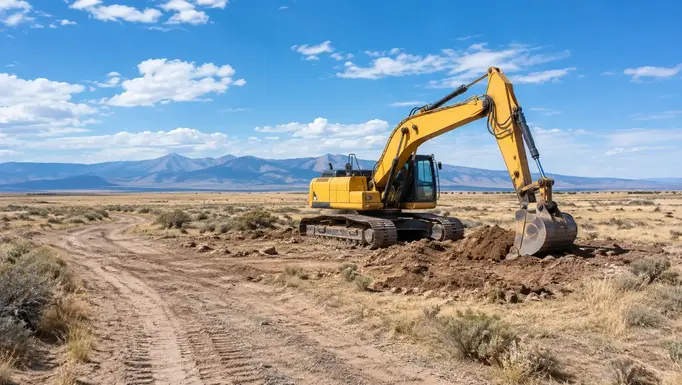
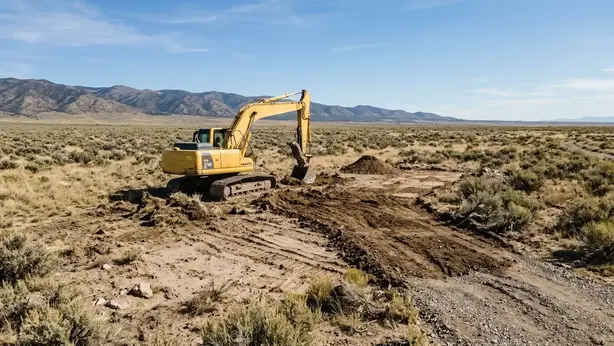
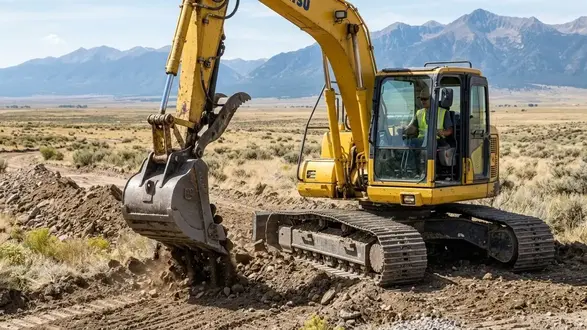
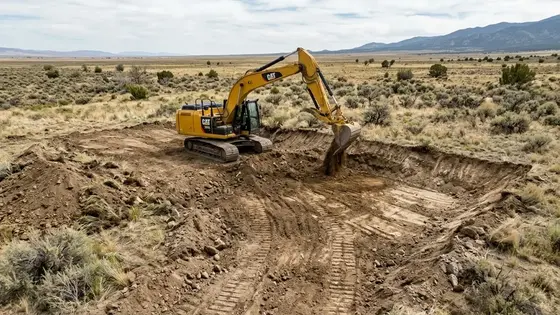
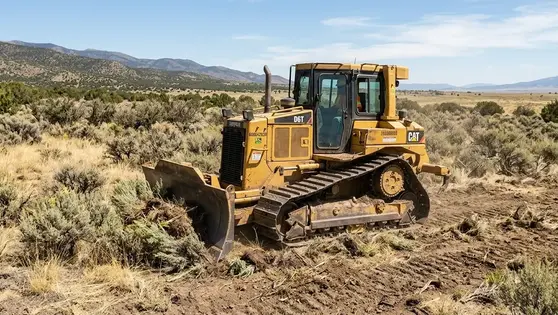
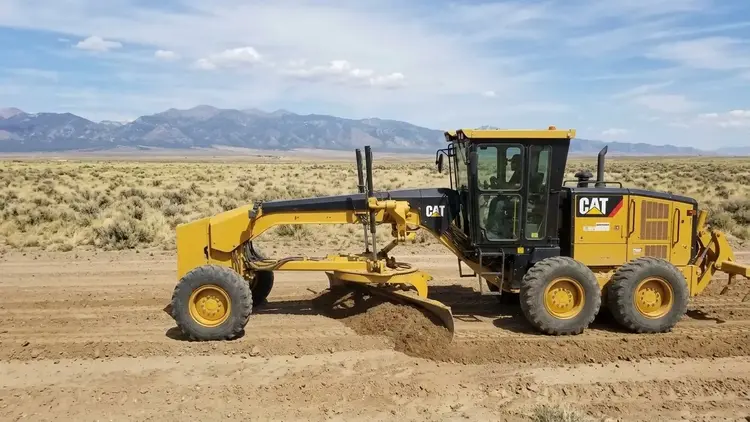
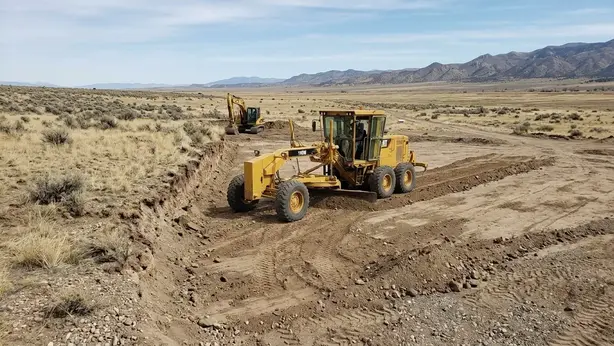
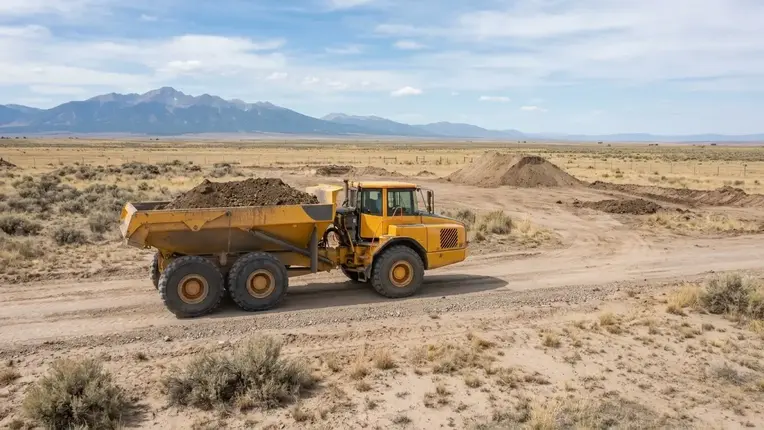
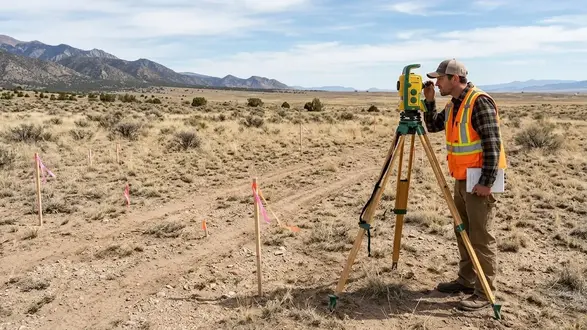
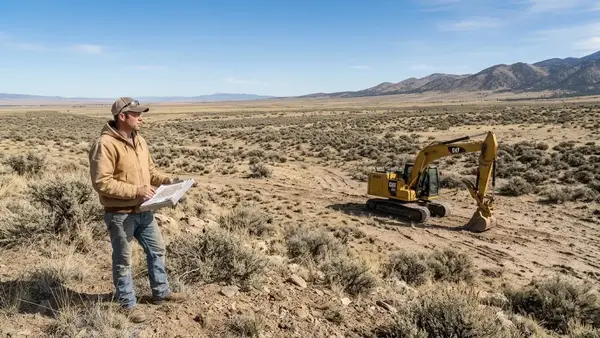
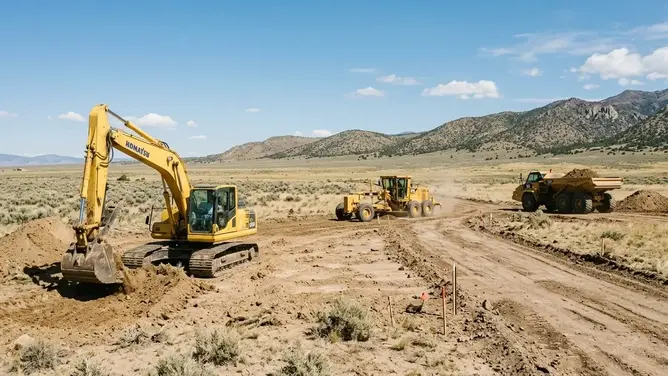
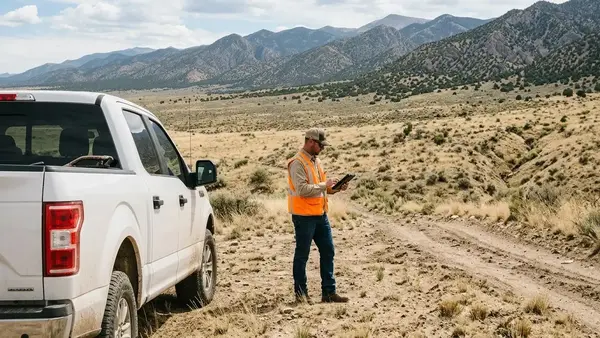
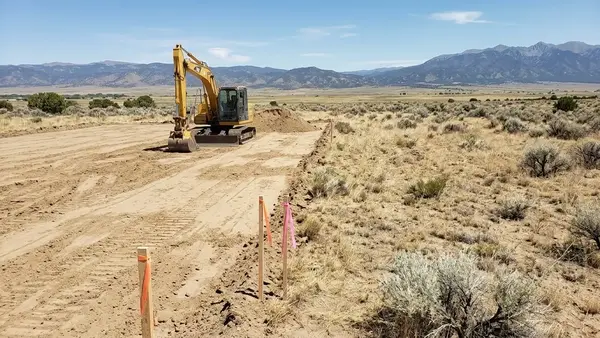
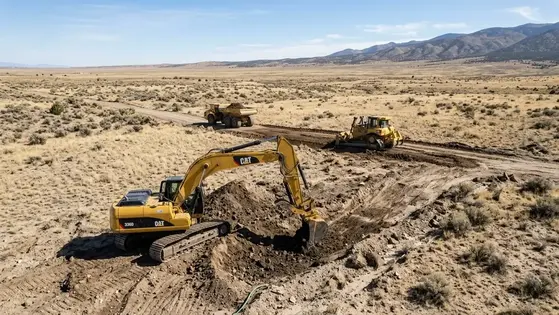
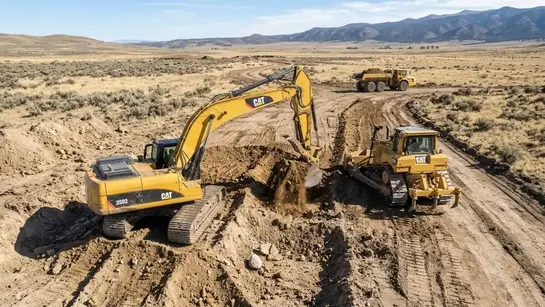
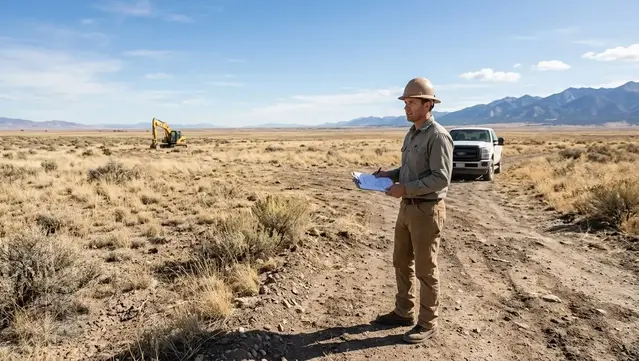
Excavation, grading, driveway construction, and off grid homesite
preparation involve more than moving earth. Property owners in
Costilla County need to account for where excavated soil will go,
whether it is suitable for reuse, how much aggregate must be delivered,
where trucks can unload, and whether excess material needs to leave
the property. These decisions affect equipment time, trucking, site access,
finished grades, drainage, and the total cost of rural land development.
Planning material handling before work begins helps coordinate
excavation and site preparation, gravel delivery and aggregate placement, utility trenching, septic preparation, and future construction without unnecessary rehandling or avoidable delivery delays.
1. Reusing Excavated Soil and Fill On-Site
Excavated material may be useful for approved grading adjustments,
suitable fill areas, or other planned earthwork. However, soil
removed from a driveway, utility trench, house pad, or foundation
area is not automatically suitable for every reuse application.
Material characteristics, moisture, debris, consistency, intended
use, and placement requirements all matter. Material that is
unsuitable for a finished building pad or other engineered
application should not be treated as acceptable fill simply
because it is available on the property.
Before reusing excavated soil, identify the intended placement
area, required finished elevations, drainage direction, and any
applicable compaction or testing requirements. Structural fills
and building support areas may require evaluation or specifications
from a qualified professional. Reusing suitable material can
reduce imported fill and hauling, but the actual savings depend
on material quality, handling, equipment time, and the project's
final grading plan.
2. Planning Soil Stockpiles and Excavation Spoils
Rural properties may have limited practical space for temporarily
storing excavated soil, especially when a driveway, house pad,
septic system, well, and utility routes are being developed in
stages. A stockpile location should be selected before excavation
starts rather than wherever the first truck or machine happens
to leave material.
Consider equipment access, truck turning space, the future
building footprint, designated septic and well areas, utility
corridors, drainage routes, and the need to keep existing access
open. Separate reusable topsoil from other excavated material
when the project calls for topsoil preservation. Keep stockpiles
from obstructing drainage or creating avoidable sediment movement,
and follow applicable requirements for erosion control and
permitted work areas.
Stockpiles also create a material-handling cost when soil must be
moved more than once. Placing material near its intended final
destination, where practical and appropriate, can reduce
unnecessary loading, pushing, and rehandling.
3. Estimating Delivered Gravel, Aggregate and Base Material
Gravel delivery for a Costilla County driveway, private access
road, equipment working area, or selected construction surface
should be estimated from the actual dimensions and intended use.
The required quantity depends on route length, usable width,
planned material depth, aggregate specification, subgrade
condition, and the amount of shaping or grading required.
A general acreage figure is not a reliable substitute for
measuring the area that will receive material.
Aggregate products are not interchangeable in every application.
The material appropriate for a driveway surface may differ from
the aggregate or engineered fill specified for a building
subgrade, foundation area, or other load-bearing application.
Confirm the intended use and material specification with the
contractor, supplier, or design professional before ordering.
Where performance depends on a prepared subgrade, placing more
gravel does not automatically correct unsuitable ground,
inadequate drainage, or poor preparation.
Delivered quantities and finished compacted thickness are also
different measurements. Ordering calculations should account
for the supplier's sales units, the material's expected loose
volume, placement conditions, and the specified finished depth.
The appropriate allowance should be established for the actual
material and project rather than assumed to be the same for
every property.
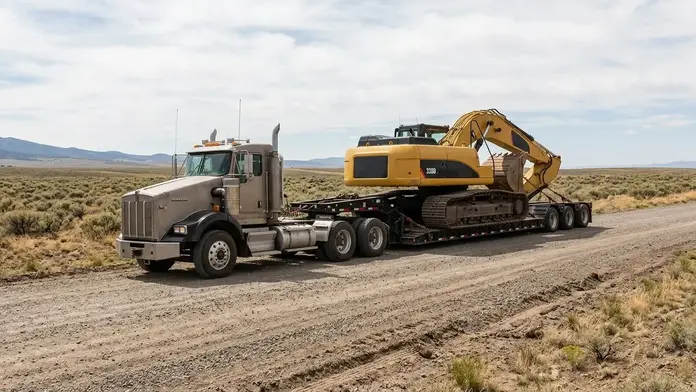
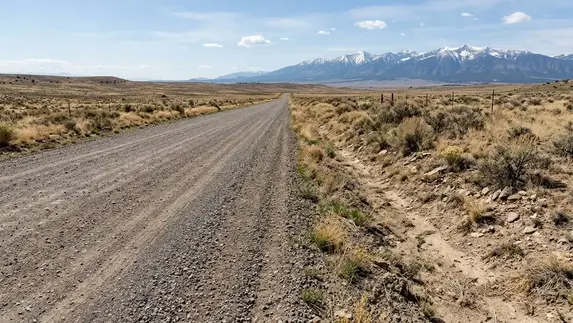
4. Coordinating Gravel Truck Access and Delivery Locations
Delivering aggregate to vacant land near San Luis, Fort Garland,
Blanca, or other Costilla County communities requires a practical
unloading plan. The property's road connection, entrance width,
turning area, surface condition, route length, and unloading
location can all affect which delivery vehicles can reach the
work area safely. A parcel that is accessible to a pickup or
excavator is not necessarily accessible to a loaded material
truck.
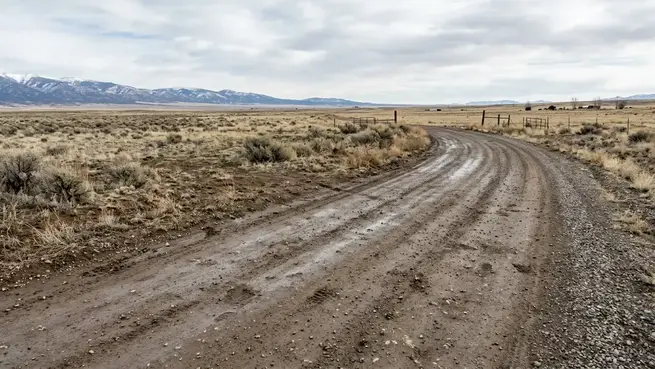
Before scheduling delivery, confirm the entrance and route with
the trucking provider. Identify low clearance obstacles, narrow
turns, soft or uneven ground, steep approaches, overhead
utilities, and areas where a loaded vehicle may have difficulty
maneuvering. Do not assume that an existing track or informal
access route is suitable for every truck size or load.
Select a discharge point that allows the material to be placed
where it can be spread efficiently without blocking the entrance,
damaging completed work, or interfering with septic, well,
utility, and building areas. Coordinate delivery timing with
equipment performing
driveway and access road grading
so that material can be handled promptly and trucks do not arrive
before the site is ready.
5. Hauling Excess Soil, Spoils and Unwanted Material Off-Site
Some projects involving
excavation and site preparation
produce more material than can be
practically or appropriately reused on the parcel. Excess soil
may come from driveway cuts, house pad excavation, foundation
work, utility trenches, drainage adjustments, or other grading
operations. The amount available for export depends on the
excavation design, actual ground conditions, and the material
retained for approved on-site use.
Off-site hauling estimates should distinguish loading, truck
capacity, number of trips, travel distance, waiting time, and
the receiving destination's acceptance requirements. Material
volume in the ground does not necessarily translate directly
into the same volume when excavated and loaded. Actual loads
depend on material characteristics, truck limits, and how the
material is measured and billed.
Confirm where the material can lawfully be taken and whether
the receiving facility or property owner accepts that material.
Do not assume excavated soil can be dumped on neighboring land
or at an unapproved location. Material containing debris or
suspected contamination may require separate handling and
evaluation. Any applicable disposal, acceptance, or permit
requirements should be verified before hauling begins.
6. Separating Excavation, Material Supply and Compaction Costs
An excavation or grading quote may cover only a portion of
the complete material handling scope. For example, a contractor
may price excavation separately from imported aggregate,
trucking, stockpile management, spreading, finish grading,
compaction, testing, and off site disposal. Comparing bids
accurately requires identifying which activities and materials
are included rather than relying on a single overall price.
Ask whether delivered material is priced by the ton, cubic yard,
truckload, or another agreed unit, and whether transportation
and unloading are included. Clarify how changes in quantities,
additional trips, unsuitable excavated material, delays, and
unexpected site conditions will be handled. Confirm whether
compaction is included and whether any specified density
testing or independent inspection is a separate expense.
For off grid homesite development, also establish how material
handling fits the overall work sequence. Driveway construction,
house pad preparation, utility trenching, well access, and
septic installation may require different access routes and
working areas. Coordinating these activities can help avoid
hauling material twice or placing gravel before heavier
excavation equipment has finished using the route.
Material planning should account for both the quantity delivered
and the finished result required on the property. A driveway may
need a prepared subgrade, a specified aggregate section, and
appropriate surface shaping. A building area may require
different fill and compaction criteria. A utility trench may
require suitable backfill and restoration, while a septic
installation must follow its approved design and applicable
installation requirements. These uses should not be treated as
interchangeable simply because the same excavator is performing
the work.
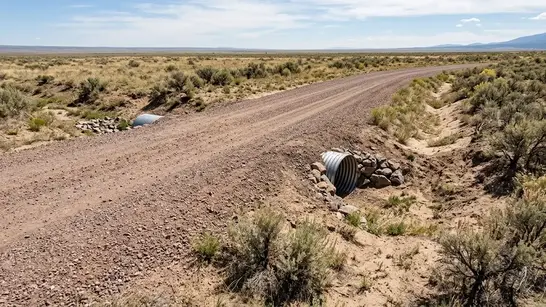
Drainage deserves particular attention when coordinating excavation
and gravel placement. Finished grades should be planned so that
surface runoff is directed appropriately and does not undermine
an access route, collect against a planned building area, or
interfere with designated septic and well locations. The correct
approach depends on the parcel's actual elevations, drainage
patterns, proposed improvements, and any applicable design or
permitting requirements. Do not assume that raising a grade or
adding aggregate will solve a drainage problem without addressing
the underlying cause.
Where material placement is part of engineered construction,
follow the applicable project specifications for fill selection,
lift thickness, moisture conditioning, compaction, and testing.
There is no single compaction requirement that automatically
applies to every rural driveway, house pad, trench, or fill area.
The necessary standard depends on the intended use and the
applicable design or contract requirements.
Before moving significant quantities of soil, expanding an access
route, or changing the grade of a rural parcel, confirm which
approvals apply to the proposed work. Costilla County Planning
and Zoning publishes land use resources and applications that
include grading and road access permits. The specific requirements
depend on the proposed activity and property circumstances, so
property owners should verify current requirements with the
County rather than assume that every excavation or gravel
delivery follows the same permit process.
For undeveloped parcels, coordinate material staging with the
planned driveway entrance, any required road-access work, and
future site improvements. If the project includes a well,
septic system, or building pad, identify those planned locations
before establishing permanent grades or placing stockpiles.
Excavation and material delivery should not obstruct required
access, interfere with approved system areas, or create grading
conflicts that require expensive rework.