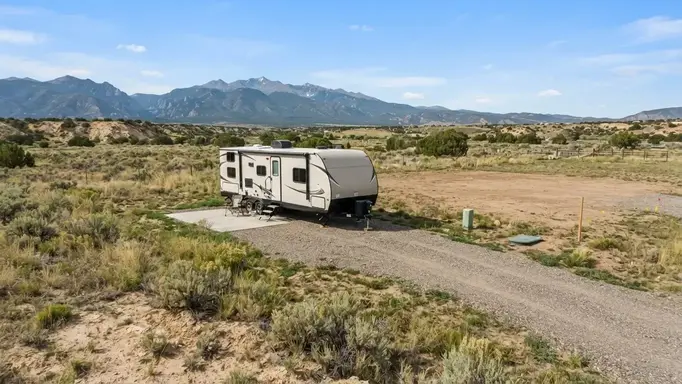
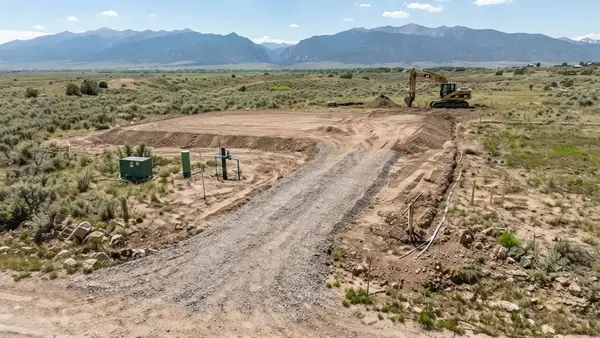
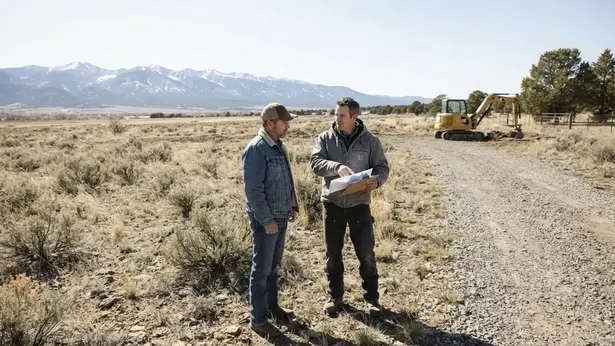
Septic Installation • Wastewater Systems • Rural Land Development

Connect With Local Experts

(719) 695-7224

⭐ Septic System Installation • Rural Wastewater Systems • Septic Tank Installation • Drainfield & Soil Treatment Areas • Septic Excavation • Septic Site Preparation • Septic Replacement • Well & Septic Coordination • Off Grid Septic Systems • Rural Land Development Across Costilla County

Septic System Installation in Costilla County, Colorado

Rural homes, cabins, and undeveloped properties in Costilla County often require carefully planned onsite wastewater systems. Septic installation can involve site evaluation, system planning, excavation, septic tank installation, soil treatment areas, drainfield preparation, wastewater piping, and final site restoration. Costilla County Land Services provides septic installation support, septic excavation, site preparation, and rural wastewater infrastructure services for residential and off grid properties throughout Costilla County.

Serving San Luis, Fort Garland, Blanca, San Acacio, San Francisco, and rural properties throughout Costilla County and the surrounding San Luis Valley.

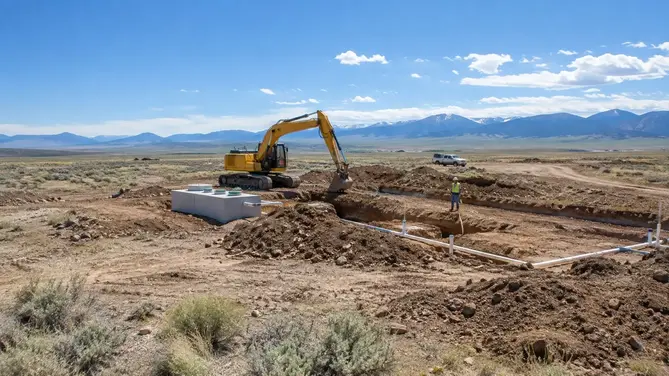
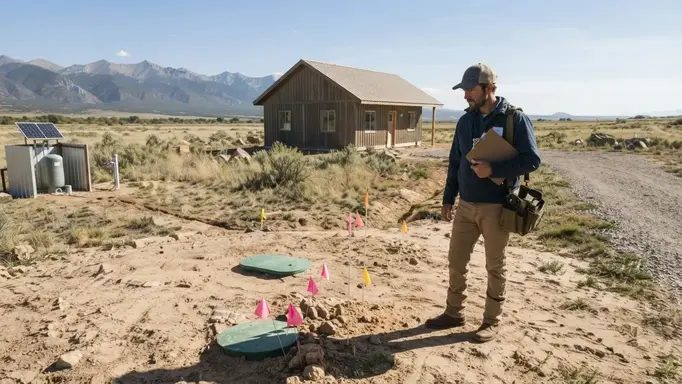
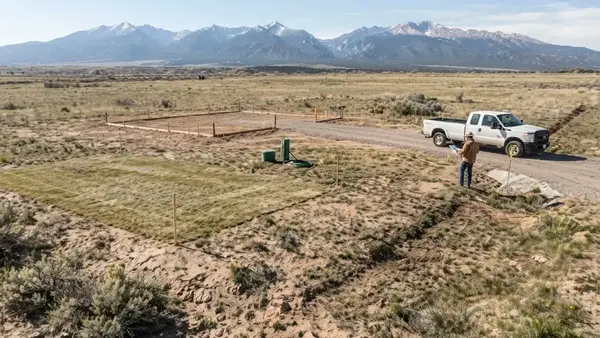
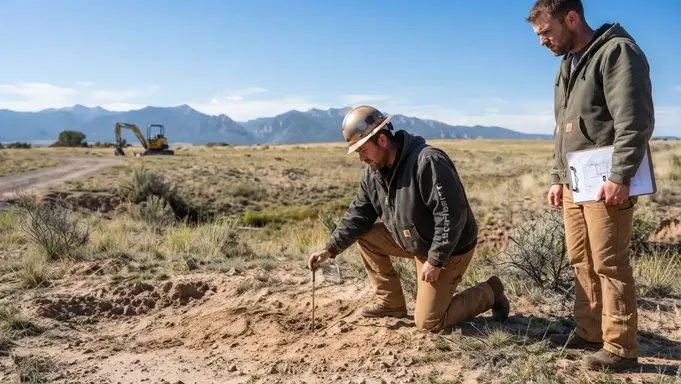
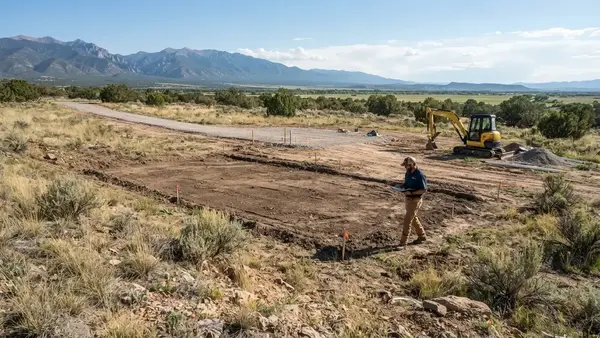
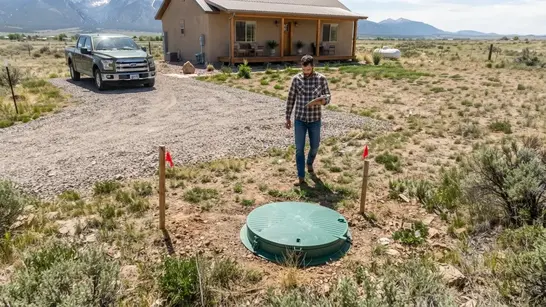
Septic system installation and excavation on rural property in Costilla County Colorado
Septic Site Preparation & Excavation Preparing rural properties for septic installation with excavation, access, trenching, grading, spoils management, and site work coordinated around the proposed wastewater system and surrounding homesite.
Septic Tank Installation Excavating and preparing tank areas, coordinating tank placement and connections, and completing the surrounding earthwork required for a properly planned residential or rural septic installation.
Drainfields & Soil Treatment Areas Supporting excavation and site preparation for soil treatment areas, drainfields, distribution components, and associated wastewater infrastructure based on the approved system design and site conditions.
Rural & Off Grid Septic Development Coordinating septic related site work with wells, house pads, driveways, utility trenching, drainage, and other infrastructure needed to develop rural homesites, cabins, homesteads, and off grid properties.

Septic System Installation for Rural Property in Costilla County, Colorado

Installing a septic system on rural property involves much more than placing a tank in the ground. The wastewater system needs to work with the property's homesite, soil and site conditions, drainage, available space, access, water supply, and other planned improvements. For undeveloped Costilla County property, septic planning can be an important part of determining how a future home, cabin, or other rural development project will be laid out.

A septic installation typically involves multiple stages, including site evaluation, system planning and design, required permitting, excavation, tank installation, wastewater piping, soil treatment area or drainfield preparation, inspection, backfilling, and site restoration. The specific system and installation approach depend on the property's characteristics and the applicable requirements for the project. Planning the wastewater system before major construction begins can help identify site constraints and reduce conflicts with wells, driveways and private roads, house pads, utilities, and other improvements. Coordinating the excavation scope with the broader excavation and site preparation plan can also help reduce unnecessary rework.

  • Septic Site Evaluation:
    Septic planning begins with understanding the property. Site conditions, soil characteristics, slope, drainage, groundwater considerations, available space, existing improvements, and the proposed building location can all influence how a wastewater system is planned.
  • Septic Permitting & System Planning:
    Septic installations may require site evaluation, system design, permitting, inspections, and other approvals before construction. Requirements can vary according to the property and proposed system, so the installation should be coordinated with the applicable regulatory requirements.
  • Septic Excavation:
    Septic installation requires excavation for the tank, wastewater piping, soil treatment area, and other system components. Equipment access, existing improvements, soil conditions, excavation depth, and the overall property layout can affect how the site work is performed.
  • Septic Tank Installation:
    The septic tank is one component of the larger wastewater system. Excavation and preparation for the tank must account for the planned system layout, inlet and outlet connections, access requirements, surrounding grade, and the applicable installation specifications.
  • Drainfields & Soil Treatment Areas:
    The soil treatment area is a critical part of onsite wastewater treatment. Its location, configuration, and installation depend on the approved system design and the characteristics of the property. The area should be protected from unnecessary disturbance, compaction, and incompatible future development.
  • Homesite & Septic Layout:
    The future home or cabin and the wastewater system should be considered together during property planning. The proposed building location, septic system, well, driveway, utilities, drainage, and future improvements can all affect how the homesite is organized.
  • Well & Septic Coordination:
    Rural properties may depend on both a private water well and an onsite wastewater system. Their locations should be considered together with the property layout and applicable separation requirements so the overall water and wastewater plan is coordinated before construction. For properties intended for independent living, this planning should also account for the wider off grid land preparation plan and the locations of other essential infrastructure.
  • Driveway & Access Planning:
    Septic systems require equipment access during installation and may require continued access for inspection, maintenance, or service. Driveways, private roads, property entrances, and future access routes should therefore be considered when planning the septic installation.
  • Septic & House Pad Coordination:
    A rural homesite may require both a prepared building pad and an onsite wastewater system. Coordinating the house pad, septic layout, grading, drainage, utility routes, and finished property elevations can help reduce conflicts during later phases of construction. Review the requirements for house pad preparation and land grading as part of the same overall homesite plan.
  • Drainage & Surface Water:
    Surface water movement should be considered when planning a septic system. Roof runoff, driveway drainage, site grading, natural drainage patterns, and other sources of surface water can affect how the surrounding property is developed and should be addressed as part of the overall site plan.
  • Off Grid Septic Development:
    Off grid homes, cabins, and rural properties may combine septic with a private well, solar power, battery storage, water storage, and other independent infrastructure. Septic planning should be coordinated with the larger off grid property layout rather than treated as an isolated installation.
  • Rural Land Development:
    Septic installation can be one phase of a larger rural development project involving land clearing, excavation, grading, driveway construction, house pad preparation, wells, utility trenching, solar, and other improvements. Considering these elements together can help establish a more practical construction sequence.

Septic Planning Should Start Before Major Site Work

One of the most important parts of developing rural property is understanding where the wastewater system can fit before the property is heavily developed. A driveway, house pad, well, utility route, outbuilding, or drainage improvement placed without considering the septic layout can create conflicts later. Establishing the overall property plan early can help preserve appropriate space for the wastewater system and its required components.

The septic system itself also depends on the property. Soil and site conditions, available area, slope, drainage, groundwater considerations, proposed wastewater flow, and the selected system design can all affect the installation. Required evaluations, designs, permits, and inspections should be completed through the applicable authorities and qualified professionals before construction proceeds.

For undeveloped Costilla County property, septic installation may be only one part of preparing the land for its intended use. If the project also includes a well, driveway, grading, house pad, utility trenching, or off grid solar site preparation, planning those components together can help create a more practical overall development sequence and reduce unnecessary excavation or rework. Property owners who are still evaluating vacant acreage can also review our Costilla County land buying and property research guide before committing to a development layout.

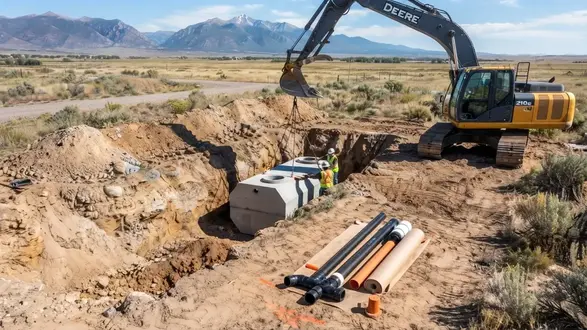
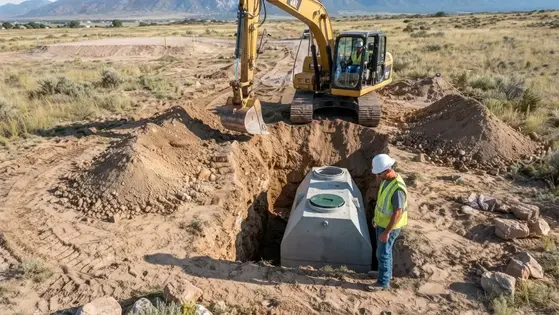
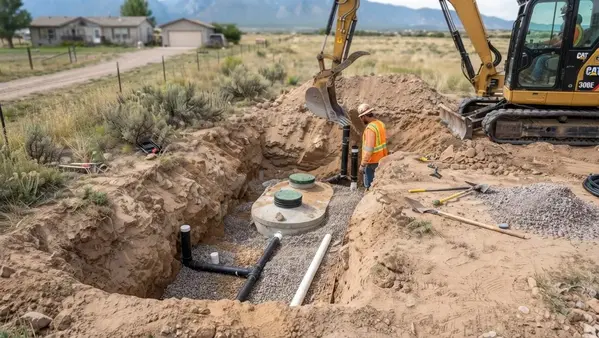
Rural septic system installation site with excavation equipment and septic tank preparation in Costilla County

Rural septic installation involves coordinated excavation, tank placement, wastewater piping, treatment area preparation, and site restoration.

How a Septic System Works on a Rural Property in Costilla County

A septic system is part of the property's complete wastewater infrastructure. On rural Costilla County property, wastewater moves from the home or cabin through underground piping into the septic system, where solids and liquids are separated and wastewater continues through the approved treatment and dispersal components. The system ultimately relies on its designed treatment area and surrounding site conditions to perform the required wastewater treatment.

1. Wastewater Leaves the Home

Toilets, sinks, showers, laundry, kitchen fixtures, and other plumbing fixtures send wastewater through the building's drainage piping. The amount of wastewater generated depends on how the property is used, including the number of bedrooms, occupants, and fixtures associated with the approved project.

2. Wastewater Travels Through the Building Sewer

Wastewater leaves the structure through underground piping and travels toward the septic system. The route between the building and tank needs to work with the homesite layout, finished grades, access, future construction, and other underground infrastructure planned for the property.

3. Wastewater Enters the Septic Tank

The septic tank provides the primary settling stage of the wastewater system. Heavier solids settle toward the bottom while lighter materials remain near the surface, allowing the liquid portion to continue toward the next treatment stage. Tank size, configuration, connections, access, and installation requirements depend on the approved system and applicable requirements.

4. Effluent Moves Into the Treatment System

Liquid leaving the septic tank continues into the approved treatment and distribution components. Depending on the system design, this stage may involve distribution piping, pumps, trenches, treatment media, or other components before wastewater reaches the soil treatment area.

5. The Soil Treatment Area Receives the Effluent

The soil treatment area is a critical part of onsite wastewater treatment. Its location, dimensions, configuration, and construction are determined by the approved system design and the property's site conditions. It should be treated as permanent infrastructure when planning the rest of the property.

6. Soil & Site Conditions Affect System Performance

Soil characteristics, available treatment area, slope, groundwater conditions, bedrock depth, drainage, and other site factors can affect how an onsite wastewater system is planned and constructed. These conditions are especially important when evaluating undeveloped acreage before the homesite, driveway, well, and other permanent improvements are established.

7. The Septic System Becomes Part of the Homesite Layout

The wastewater system needs to remain compatible with the house or cabin, water supply, driveway, utility corridors, drainage, and future improvements. Establishing the septic layout early can help prevent permanent construction from occupying areas needed for wastewater treatment or future system access.

8. Installation, Inspection & Site Restoration Complete the Process

Septic construction can involve excavation, tank placement, wastewater piping, treatment area preparation, installation of approved system components, required inspection, backfilling, and restoration. The completed system should remain consistent with the approved design and should be protected from future grading, construction, traffic, and drainage changes that could interfere with its operation.

The Septic Tank Is Only One Part of the System

A common rural-property mistake is to think of septic installation as simply digging a hole, setting a tank, and connecting the house. The tank is only one component of the larger wastewater system. The building connection, tank, distribution components, soil treatment area, surrounding grades, drainage, access, and protected portions of the system all need to function together.

This is particularly important when developing vacant acreage. A septic area that works on paper can become difficult to use if a driveway, house pad, well, utility corridor, workshop, drainage improvement, or future building is placed in the wrong location first. Planning the wastewater system as part of the overall homesite can help preserve usable space and reduce conflicts between different phases of rural development.

Costilla County's wastewater permitting process also makes site information important. The County's OWTS application asks for information such as soil classification, bedrock depth, groundwater table, slope, water source, bedrooms, persons served, and the proposed system type. Those details demonstrate why septic planning should be treated as a property-layout decision rather than an isolated tank installation.

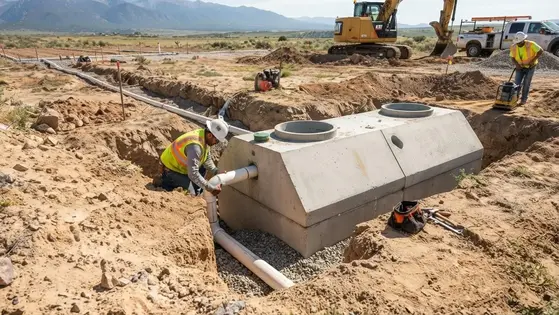
Septic tank and underground wastewater piping being installed on rural property in Costilla County

A septic system connects the home, tank, wastewater piping, treatment components, and soil treatment area into one coordinated system.

Need to Coordinate Septic Work With the Rest of Your Property?

If your Costilla County property also needs a driveway, house pad, utility trenching, grading, well related site work, or other rural improvements, the wastewater system should be considered as part of the overall construction sequence. We can discuss the excavation and site preparation work needed to keep the septic project compatible with the property's broader development plan.

Call (719) 695-7224

Septic Tank & Wastewater System Components in Costilla County

A rural septic system is more than a buried tank. An onsite wastewater treatment system can include the building sewer, septic tank, inlet and outlet connections, effluent piping, distribution components, soil treatment area, access points, and other components required by the approved system design.

Understanding how these components work together is important when planning a rural homesite in Costilla County. The location of the house, water supply, septic tank, wastewater treatment area, driveway, utilities, drainage, and future improvements should be considered as part of the complete property layout rather than as unrelated construction projects. Coordinating these elements with excavation and site preparation can help establish a more practical sequence for developing the property.

  • Building Sewer
    Wastewater leaves the residence through the building sewer and travels toward the onsite wastewater treatment system. House location, finished grades, foundation elevation, and the planned septic area can affect the practical route and slope of this connection.
  • Septic Tank
    The septic tank receives wastewater from the building and provides primary treatment and solids separation before effluent moves toward the treatment area. Costilla County's residential development policy states that septic tanks must be 1,250 gallons or larger.
  • Tank Inlet & Outlet Connections
    Wastewater enters the septic tank through the inlet connection while liquid effluent leaves through the outlet side. These connections are part of the system's wastewater flow path and must be installed and inspected as required by the applicable system design.
  • Solids Separation & Primary Treatment
    Inside the septic tank, heavier solids settle while lighter materials remain near the surface and wastewater continues through the treatment process. Regular maintenance and pumping help prevent excessive solids accumulation from interfering with system operation.
  • Effluent Piping
    After leaving the septic tank, effluent travels through piping toward the approved treatment or distribution components. Pipe routing, elevations, access, and site grades should be coordinated with the overall homesite layout.
  • Effluent Distribution
    Distribution components deliver wastewater to the approved treatment area according to the system design. The specific arrangement depends on the type of onsite wastewater system selected for the property.
  • Soil Treatment Area
    The soil treatment area is a critical part of onsite wastewater treatment. Soil characteristics, groundwater, bedrock, slope, drainage, and available treatment area can all affect how this portion of the system is designed and constructed.
  • Soil & Percolation Evaluation
    Wastewater planning may require evaluation of soil characteristics and percolation conditions before the treatment area is finalized. A percolation test is one part of the broader site evaluation and does not by itself establish complete septic feasibility for a property.
  • Distribution, Pumping & Control Components
    Some approved systems may require pumps, dosing equipment, controls, or other distribution components depending on site conditions and system design. These components should be identified by the applicable wastewater design rather than assumed for every property.
  • Access & Inspection Points
    Septic tanks and other serviceable components need practical access for inspection, pumping, maintenance, and future repairs. Driveways, buildings, landscaping, and other improvements should not unnecessarily block access to the wastewater system.
  • Excavation, Bedding & Backfill
    Septic installation can require excavation for tanks, piping, treatment areas, and related components. Equipment access, excavation conditions, material handling, backfill, grading, and surface restoration can all affect the construction scope. Review our excavation and site preparation services for related earthwork that may be needed to coordinate the broader property development project.
  • System Specific Treatment Components
    Depending on the property and approved design, an OWTS may use additional treatment or distribution components. Costilla County's wastewater materials identify several possible system types, so the final component list should follow the approved system design.

The Septic Tank Is Only One Part of the Wastewater System

Planning only for the septic tank can overlook the piping, treatment area, distribution components, access requirements, excavation, drainage, and usable space required for the complete onsite wastewater system. A better approach is to reserve the entire wastewater area while planning the future homesite.

For rural Costilla County properties, septic infrastructure should be considered alongside the house or cabin, private well or other water source, driveway, utility corridors, grading, drainage, and future improvements. This broader approach can help identify potential conflicts before major site work begins.

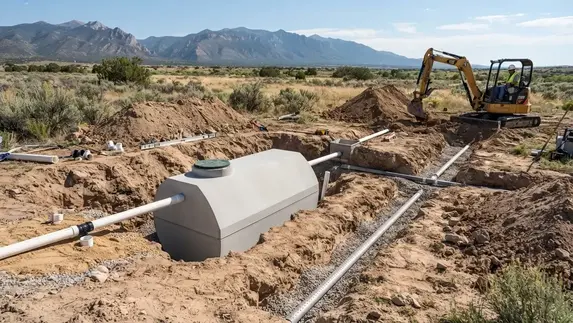
Septic tank excavation with wastewater piping and construction equipment on rural Costilla County property

Septic construction requires coordinated excavation for the tank, wastewater piping, treatment components, access, and surrounding site improvements.

Septic System Types & Wastewater Treatment Options in Costilla County

Not every rural property uses the same type of onsite wastewater treatment system. Soil conditions, groundwater, bedrock, slope, available treatment area, wastewater characteristics, and applicable requirements can all influence which system is appropriate for a particular property.

Costilla County's OWTS application identifies several possible wastewater system types, including septic systems, aeration systems, vaults, silt trenches, sand filter trenches, and subsurface sand filter systems. The appropriate system should be established through the applicable site evaluation, wastewater design, permitting process, and qualified professional review.

Conventional Septic Systems

Conventional onsite wastewater systems typically use a septic tank followed by a soil treatment area. Suitability depends on soil, groundwater, slope, available treatment area, and applicable requirements.

Aeration Systems

Aeration systems provide additional biological treatment through an aeration process. They may be considered when the approved wastewater design calls for this type of treatment.

Vault Systems

Vault systems are identified among the wastewater options in Costilla County's OWTS materials. Their applicability depends on the property's intended use, site conditions, design, and applicable approval requirements.

Silt Trench Systems

Silt trench systems are included among the wastewater system types identified in the County's OWTS application. The appropriate configuration depends on the site evaluation and approved wastewater design.

Sand Filter Trenches

Sand filter trench systems can provide an additional treatment approach where appropriate. Their use depends on site conditions, wastewater design, and applicable regulatory requirements.

Subsurface Sand Filter Systems

Subsurface sand filter systems are also identified in Costilla County's OWTS application. The configuration should be established through the required site evaluation and wastewater system design.

Septic System Selection Starts With the Property

Two Costilla County properties with similar acreage can require very different wastewater solutions. The practical question is not simply how much land is available, but whether the property has suitable conditions and enough usable area for the applicable wastewater system. Buyers researching vacant land in Costilla County should consider potential wastewater limitations before assuming a parcel is suitable for a future home or cabin.

Soil conditions, groundwater, bedrock, slope, water supply, intended occupancy, available treatment area, access, and the overall homesite layout should be considered before major excavation begins. The final wastewater system and applicable requirements should be established through the required evaluation, design, permitting, and approval process.

Costilla County OWTS Permits, Inspections & Septic Planning

Septic development on rural Costilla County property involves more than excavating a hole for a tank. An On-Site Wastewater Treatment System (OWTS) needs to be considered alongside the property's intended use, homesite layout, water supply, site conditions, access, and other improvements. The appropriate planning process depends on the parcel, proposed development, wastewater system, and applicable County requirements.

This is especially important when developing vacant acreage. Costilla County's residential development materials require an OWTS permit for a new residence that will not be served by a sewage treatment works, and the County's OWTS application requests information about the property, proposed use, bedrooms, occupants, water supply, well information, soil, groundwater, bedrock, slope, wastewater system, and site plan. Addressing these factors before major construction can help prevent conflicts between the septic system and the future house, driveway, well, utilities, drainage, and other improvements.

Establish the Septic Area

The wastewater system needs to be considered within the actual property layout. The future house, driveway, well, utility corridors, drainage features, outbuildings, and other improvements can all influence where the septic system and treatment area can reasonably be located. Establishing the wastewater area early helps the rest of the homesite plan work around it.

Evaluate Soil & Site Conditions

Soil classification, groundwater, bedrock, slope, and other physical conditions can affect wastewater planning. Rural acreage should not be assumed to be septic-ready simply because the parcel is large. Site specific conditions need to be evaluated as part of determining how the wastewater system can fit into the property.

Coordinate the Well & Water Supply

A rural septic system and private water supply need to be considered together during property planning. Costilla County's OWTS application requests information about the property's water source and well, making water and wastewater coordination an important part of the overall rural development layout. For properties intended for independent living, this planning should also account for the wider off grid land preparation plan and the placement of other essential infrastructure.

Address OWTS Permitting

Required wastewater permitting should be addressed before the applicable construction work begins. Costilla County's residential development policy states that an OWTS permit must be obtained before issuance of a construction permit for a new residence that will not be served by a sewage treatment works. Current County requirements should be verified for the specific project.

Coordinate Septic Excavation

Septic excavation is only one part of the overall site development process. Tank excavation, wastewater piping, treatment area preparation, access, surrounding grades, and backfill should be coordinated with the approved system layout and the property's other construction activities.

Complete Inspection & Restoration

After the wastewater system has been installed, applicable inspections and completion requirements still need to be addressed. Costilla County's residential development policy directs property owners to contact Planning and Zoning after complete OWTS installation to schedule the final inspection. The finished site can then be restored and integrated with the surrounding property improvements.

Why Septic Planning Should Happen Before Major Site Work

Septic planning becomes more difficult after the most useful portions of a rural property have already been committed to permanent improvements. A house pad, driveway, well, utility corridor, workshop, cabin, drainage improvement, or other construction can reduce the available locations for wastewater infrastructure. Planning the septic system early allows those improvements to be considered as parts of one property layout rather than as separate projects.

This matters when evaluating undeveloped Costilla County land for a future home or rural property. A parcel can contain substantial acreage while still having a much smaller practical development area because of site conditions, water supply, wastewater requirements, access, drainage, slope, or the locations of existing and proposed improvements. Acreage alone should not be treated as proof of septic feasibility.

The same coordination becomes important during construction. Septic excavation may need to be sequenced with driveway access, house pad preparation, utility trenching, well related work, grading, drainage, and other heavy equipment operations. Establishing the overall site plan before equipment begins moving large amounts of soil can help reduce unnecessary rework and conflicts between individual projects.

Costilla County's current OWTS application, residential development policy, Land Use Code, and other applicable requirements should be reviewed for the specific parcel and proposed development. County requirements and fees can change, and wastewater design, permitting, inspection, and regulated professional work should be handled by the appropriately qualified parties.

Official Costilla County Septic & land use Resources

Property owners can review the current County documents before planning septic installation, excavation, construction, or other rural development work. These resources provide official information about OWTS applications, development procedures, land use requirements, and applicable permits.

  • Costilla County Planning & Zoning Resources:
    Current County permit applications and land use documents, including the OWTS permit and other development forms.

    View Planning & Zoning Resources
  • Costilla County OWTS Permit Application:
    The County's application includes property, occupancy, water supply, well, soil, groundwater, bedrock, slope, wastewater system, and site plan information.

    View the OWTS Permit Application
  • Costilla County Land Use Code:
    Review applicable land use and sanitary sewage disposal provisions governing rural development and onsite wastewater systems.

    View the Costilla County Land Use Code
Rural Costilla County property being planned for a future home, septic system, driveway, well, and utilities

Septic planning should be coordinated with the future homesite, water supply, driveway, utilities, drainage, and other permanent property improvements.

Need to Plan Septic Site Work Around Your Rural Homesite?

If your Costilla County property needs septic related excavation as part of a larger homesite plan, we can discuss how the wastewater area, driveway, house pad, utilities, water supply, drainage, and equipment access need to fit together. Site preparation can be coordinated around the applicable wastewater plans and the other improvements planned for the property.

Call (719) 695-7224

Where Should a Septic System Go on Rural Costilla County Property?

Choosing an appropriate septic location is part of the overall rural property layout. An On-Site Wastewater Treatment System (OWTS) needs to be considered alongside the proposed home or cabin, water supply, access, drainage, utilities, soil and site conditions, and portions of the property that may be developed in the future.

On an undeveloped Costilla County parcel, it can be tempting to choose the home location first and solve wastewater planning afterward. That approach can create conflicts if the selected homesite, driveway, well, utility corridors, slope, drainage, or future structures reduce the practical area available for the wastewater system. Planning these components together can help establish a more workable long term development layout.

Future Home or Cabin

The intended building area should be considered before finalizing the wastewater layout. The location of the structure, finished grades, plumbing direction, access, and possible future additions can all affect how the home and septic system fit together on the property.

Private Water Supply

A private well or other water source needs to be considered alongside wastewater planning. Costilla County's OWTS application requests information about the property's water source and well, making water and wastewater coordination an important part of rural site planning.

Driveway & Equipment Access

The wastewater area should be considered in relation to the property's access and construction layout. Driveway placement, equipment access, and the location of the future homesite can all affect how septic excavation and other rural site work are sequenced.

Utility Corridors

Electrical, water, communications, and other underground utilities should be coordinated with the wastewater system. Establishing utility corridors early can help reduce the need for later trenching through areas occupied by septic components or associated treatment areas.

Drainage & Surface Water

Surface drainage, grading, runoff, and other site-water conditions should be considered when planning the homesite and wastewater area. The septic system should be evaluated as part of the property's broader site layout rather than treated as an isolated excavation project.

Soil, Groundwater & Site Conditions

Soil classification, groundwater, bedrock, and slope are specifically addressed in Costilla County's OWTS application. These conditions can affect wastewater planning, making site evaluation an important part of determining how the proposed system can fit into the property.

Future Improvements

Shops, sheds, guest cabins, additions, parking areas, gardens, fences, and other improvements can change how the remaining property can be used. Future development should be considered before permanently committing practical space around the wastewater system.

Overall Homesite Layout

The septic system should be considered as one component of the entire rural development plan. House pad preparation, driveway access, utilities, well related work, drainage, grading, and other improvements can all interact with the wastewater layout.

Plan the Wastewater Area Before Committing the Homesite

The goal is not simply to find an open patch of ground. The goal is to establish a wastewater location that works with the property's overall development plan and applicable requirements. This is especially important on rural Costilla County acreage where a driveway, well, building pad, utility route, drainage feature, or other improvement can occupy a substantial portion of the practical development area.

Costilla County's OWTS application asks for information about the proposed development, water supply, well, soil classification, bedrock, groundwater, slope, proposed wastewater system, and site plan. Those requirements make early wastewater planning particularly useful when laying out an undeveloped rural property.

Planning early can also help determine the sequence of site work. Depending on the property and project, excavation, grading, driveway construction, utility trenching, well work, house pad preparation, and septic related construction may need to be coordinated so that one improvement does not unnecessarily interfere with another.

Final wastewater system design, permitting, applicable setbacks, and other regulatory requirements should be verified for the specific property with Costilla County and the appropriately qualified wastewater professionals. Site preparation and excavation should follow the applicable approved plans and requirements.

Rural Costilla County homesite with coordinated septic, driveway, and land development planning

A well planned rural homesite coordinates wastewater, access, utilities, drainage, and future construction before permanent improvements are established.

Soil, Slope, Groundwater & Site Conditions for Costilla County Septic Systems

Septic feasibility cannot be determined from acreage or a property listing alone. The wastewater system needs to work with the actual site conditions at the proposed treatment area and the intended use of the property.

Costilla County's current OWTS application asks for information concerning soil or soil classification, depth of bedrock, depth of groundwater, ground slope, water supply, proposed system type, and the proposed system design. The County's permitting materials also incorporate a percolation test as part of the OWTS site evaluation and permitting process. These requirements show why wastewater planning should be based on actual site information rather than assumptions made from a property's acreage, photographs, or surface appearance.

Soil Conditions

Soil conditions are an important part of wastewater system planning. The soil treatment area needs to be appropriate for the applicable wastewater approach, so soil information should be evaluated as part of the system design rather than assumed from what is visible at the surface.

Differences in soil characteristics across a property can also affect where a proposed wastewater area can be developed. An open, level portion of a parcel is not necessarily suitable simply because it appears easy to build on.

Soil Evaluation & Perc Testing

Soil evaluation and percolation testing can help determine whether the proposed wastewater treatment area has suitable conditions for the applicable septic system. A perc test evaluates how water moves through the soil under the applicable testing procedure, while the broader site evaluation considers additional factors that affect wastewater system planning.

Costilla County's OWTS permitting materials include a percolation test as part of the site evaluation process. Perc testing should therefore be considered as one component of the overall wastewater evaluation, not as a standalone test that automatically determines whether an entire property is suitable for septic.

Groundwater

Groundwater conditions can affect wastewater system planning and are specifically addressed in Costilla County's OWTS application. The depth of the groundwater table should be considered when evaluating where and how the proposed wastewater system can be developed.

Groundwater information is particularly important when evaluating undeveloped land because conditions below the surface may not be apparent from photographs, vegetation, or the appearance of the property.

Bedrock

The County's OWTS application asks for the depth of bedrock at the proposed site. Subsurface rock can also affect excavation conditions, equipment requirements, trenching, tank installation, and the practical scope of site preparation when wastewater infrastructure is developed.

Knowing the expected subsurface conditions can also help distinguish wastewater planning from the later construction phase. The approved system determines what must be built, while actual ground conditions can influence how the required excavation is performed.

Slope & Elevation

Ground slope can affect how the wastewater system fits into the property and how excavation, elevations, drainage, and access are approached. Costilla County's OWTS application specifically requests the slope of the proposed site, making topography an important part of the overall wastewater-planning process.

On rural property, the relationship between the proposed home, wastewater area, driveway, water supply, and changes in elevation can also affect how the entire homesite is organized.

Drainage, Flooding & Surface Water

Surface drainage and areas affected by runoff or periodic flooding should be considered when planning rural wastewater infrastructure. The wastewater area needs to fit into the property's broader drainage and development layout rather than being treated as an isolated excavation project.

Existing drainage patterns, low areas, ditches, surface water features, and planned grading can all be relevant when coordinating wastewater infrastructure with the rest of a rural development project.

Excavation Conditions

Actual subsurface excavation conditions may differ from what is visible at the surface. Rock, difficult digging conditions, limited equipment access, trench depth, tank excavation, and the amount of material that must be removed can all affect the construction approach and site work requirements.

Septic excavation may involve more than digging a tank hole. Access, piping trenches, treatment area preparation, backfill, grading, and restoration can all become part of the site work scope depending on the approved system and property conditions.

Available Treatment Area

The practical wastewater area needs to fit within the property's overall development layout. The home, water supply, driveway, property boundaries, drainage features, utilities, and future improvements can all affect how much usable space remains for the wastewater system.

This is especially important on undeveloped rural acreage where the property may eventually need space for a house, cabin, workshop, driveway, well, utility corridors, outbuildings, or other improvements. Planning the wastewater area early can help prevent conflicts with those future uses.

Acreage Does Not Tell the Whole Septic Story

A 40-acre parcel does not automatically have an easy septic installation, and a smaller parcel is not automatically unsuitable. What matters is whether the specific property has an appropriate location and site conditions for the proposed wastewater system while satisfying the applicable requirements.

This is particularly important for buyers evaluating undeveloped Costilla County land. A parcel may look ideal from the road or listing photographs while the actual development area presents different conditions. Soil, perc-test results, groundwater, bedrock, slope, drainage, access, water supply, and the location of other improvements all deserve consideration before assuming that a particular portion of the property will work as a future homesite.

Septic planning should therefore be coordinated with the broader property development plan. House pad preparation, driveway construction, well work, utility trenching, drainage improvements, and other excavation can all affect how the available property is ultimately organized.

The goal is not simply to find an open area large enough for a septic tank. The wastewater system, treatment area, access, water supply, homesite, utilities, drainage, and future improvements should be considered together so that one phase of rural development does not unnecessarily constrain another.

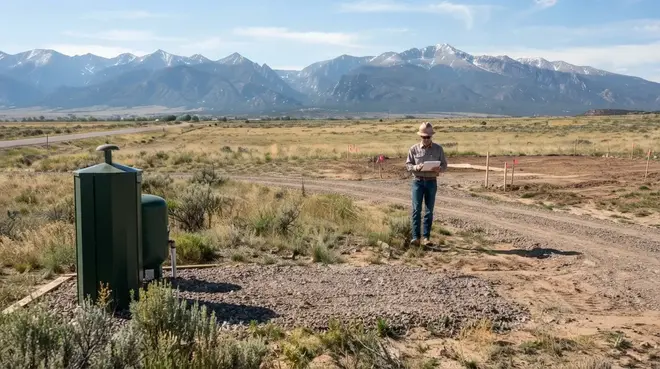
Rural Costilla County property being evaluated for septic site conditions with open terrain and a proposed homesite area

Rural septic planning begins with the actual property, including soil, slope, groundwater, drainage, access, and the available area for wastewater infrastructure.

Need Septic Excavation on a Challenging Rural Property?

If your Costilla County project involves septic excavation, wastewater trenches, tank area excavation, treatment area preparation, backfill, or related grading, actual site conditions can affect the earthwork required. We can discuss equipment access, excavation scope, and how the septic construction area fits into the rest of your property improvements.

Call (719) 695-7224

Septic Drainfield & Soil Treatment Areas in Costilla County

The soil treatment area is a critical part of an onsite wastewater system. After wastewater leaves the septic tank or applicable treatment components, the approved treatment system must have suitable space and site conditions to function as designed. Soil, groundwater, bedrock, slope, drainage, available area, and surrounding property uses all need to be considered.

A large parcel does not automatically mean that a large usable septic treatment area is available. The practical wastewater area needs to fit within the property's overall development plan while accounting for the home, water supply, driveway, utilities, drainage, future improvements, and applicable requirements.

Available Treatment Area

The property needs suitable space for the approved wastewater treatment system. Homesite planning should reserve this area before other permanent improvements consume the most practical portions of the parcel.

Soil Evaluation

Soil characteristics can affect how wastewater is treated and whether the proposed treatment area is suitable for the applicable system. Soil evaluation is an important part of determining site conditions.

Percolation Testing & Soil Information

Percolation testing or other required soil evaluation methods can provide information about how water moves through the soil. The applicable evaluation and design process determines what information is required for the proposed wastewater system.

Groundwater Depth

Groundwater depth can affect wastewater treatment planning. Costilla County's OWTS application specifically requests groundwater-depth information as part of the site evaluation.

Bedrock & Excavation Conditions

Shallow or difficult-to-excavate bedrock can affect the practical treatment area, excavation approach, equipment requirements, and overall installation work.

Slope & Elevation

Sloping ground can affect wastewater layout, excavation, piping, equipment access, and the relationship between the home and the approved treatment area.

Drainage & Surface Water

Surface drainage and runoff patterns should be considered when planning the wastewater treatment area. Any grading and drainage improvements should work with the septic layout rather than directing water toward the treatment area. The planned drainage approach should also account for nearby access routes and future property improvements.

Treatment Area Setbacks & Separation

The wastewater treatment area must be planned in relation to other site features and applicable separation requirements. The home, water supply, drainage features, property improvements, and other permanent elements can all affect the available wastewater layout.

Future Property Improvements

The treatment area should remain protected when planning future construction or property improvements. Additions, outbuildings, driveways, utility trenches, landscaping, and other work should be evaluated so they do not interfere with wastewater operation or access.

The Drainfield Needs a Place on the Property Plan

When planning a rural homesite, reserve space for the wastewater treatment area before finalizing the house, driveway, well, utilities, and other permanent improvements. Coordinating the treatment area with house-pad preparation and the broader off-grid property layout can help make the septic system part of the development plan rather than trying to fit it into whatever space remains afterward.

This is especially important on undeveloped rural acreage where the preferred building site, driveway route, water source, and utility corridors may already compete for the most practical areas of the property.

Rural septic treatment area planned within an undeveloped Costilla County homesite

A septic treatment area must be planned as part of the overall rural property layout, with room for the homesite, water supply, access, drainage, and future improvements.

Septic Setbacks, Wells & Property Separation in Costilla County

Septic planning requires more than finding an open area on a rural property. The wastewater system must be considered in relation to the water supply, surface water, structures, property layout, drainage, access, and other improvements.

Applicable separation requirements can vary depending on the property, development type, subdivision status, wastewater system, and governing requirements. Costilla County's Land Use Code contains specific onsite sewage provisions, including requirements addressing water wells and streams or watercourses in applicable circumstances.

  • Septic & Private Wells
    The septic system should be evaluated alongside the property's well or other water supply. Costilla County code includes separation requirements between onsite wastewater systems and water supply wells in applicable circumstances.
  • Streams & Watercourses
    Surface water features can affect wastewater planning. County code contains separation provisions involving streams and watercourses, so applicable requirements should be reviewed for the specific property.
  • Future Structures
    The wastewater area should be considered before placing a house, cabin, garage, workshop, or other permanent structure. Future construction should not interfere with the approved wastewater system.
  • Driveways & Access
    Driveways and equipment routes should be planned around the septic system while preserving practical access for installation, inspection, pumping, maintenance, and repairs.
  • Groundwater Conditions
    Groundwater depth can affect wastewater planning. Site evaluation should account for groundwater conditions rather than relying only on surface appearance or acreage.
  • Drainage & Surface Runoff
    Surface water should be considered when selecting and preparing the wastewater area. Land grading and leveling should be coordinated with septic infrastructure so runoff does not conflict with the system or create avoidable drainage problems around the treatment area.
  • Property Layout & Available Space
    Property boundaries, existing improvements, access corridors, water infrastructure, and future development can all limit where the wastewater system can practically be located.
  • Verify the Applicable Requirements
    Separation distances should not be assumed from a generic septic checklist. Applicable County and state requirements should be verified for the specific property and proposed wastewater system.

Septic Location Should Be Verified Before Construction

A preliminary property layout can identify potential conflicts, but it should not be treated as final wastewater approval. Applicable setbacks, separation requirements, site conditions, and system design should be confirmed through the appropriate County process and qualified wastewater professionals before construction begins.

Rural Costilla County homesite showing coordinated placement of a private well, septic area, driveway, and future home

Septic systems, private wells, driveways, structures, drainage, and future improvements should be considered together when planning a rural property.

Need to Coordinate a Well, Septic Area & Rural Site Layout?

If you are developing undeveloped Costilla County acreage, the well, wastewater area, driveway, house pad, utilities, drainage, and future structures should be considered as parts of the same property plan. We can discuss the excavation and site preparation work needed to support that broader rural development sequence.

Call (719) 695-7224

Septic Tank Sizing & Household Wastewater Planning in Costilla County

Septic planning should account for how the property will actually be used. A full time rural residence, seasonal cabin, off-grid home, RV property, and larger household can generate different wastewater demands and may require different planning considerations.

Costilla County's OWTS application asks for information about the proposed use, bedrooms, number of persons, bathrooms, kitchen fixtures, laundry equipment, garbage grinders, dishwasher use, water source, and other project characteristics. The application also asks whether the proposed system is designed for 2,000 gallons per day or less. These details help establish the context for the proposed onsite wastewater system and its design.

Number of Bedrooms

The number of bedrooms helps describe the intended residential use of the property. Bedroom count should be considered during wastewater planning rather than treating every rural home as having the same expected demand.

Household Occupancy

Expected occupancy is another important part of wastewater planning. A full time household can have different wastewater demands than a seasonal cabin, occasional use property, or limited occupancy rural residence.

Bathrooms & Plumbing Fixtures

Bathrooms, kitchens, laundry equipment, dishwashers, garbage grinders, and other wastewater-producing fixtures contribute to the property's overall wastewater demand and should be identified during planning.

Household Water Use

Water use directly affects the amount of wastewater entering an onsite system. Efficient water use can be especially important for rural properties relying on private wells, cisterns, or other limited water supplies. For properties being developed for off grid living, water supply, wastewater demand, and the planned homesite should be considered together.

Design Flow & Daily Wastewater Demand

Wastewater planning should account for the expected demand created by the property's intended use. Costilla County's OWTS application asks whether the proposed system is designed for 2,000 gallons per day or less, making anticipated wastewater flow an important project detail.

Septic Tank Capacity

Tank capacity is only one part of an onsite wastewater system. Costilla County's residential development policy states that septic tanks must be 1,250 gallons or larger, while the complete system still requires appropriate site evaluation and design.

Water Source & Septic Coordination

Private wells, springs, cisterns, holding tanks, and community water supplies can all affect rural wastewater planning. Costilla County's OWTS application specifically identifies the property's water source as part of the application information.

RV & Seasonal Use

RVs and seasonal properties should be planned around their intended occupancy and wastewater use rather than automatically treated like full time residences. The County's OWTS application specifically provides for seasonal use properties.

Future Expansion

Future bedrooms, additions, guest accommodations, or changes in property use should be considered before finalizing the wastewater plan. Early planning can help keep future improvements compatible with the approved system and available treatment area.

Intended Property Use

The planned use of the property should be clearly identified during wastewater planning so the proposed system reflects the actual development. Rural residences, cabins, seasonal properties, and other uses may have different wastewater-planning considerations.

Septic Sizing Is More Than Choosing a Tank

Septic capacity should be considered as part of the complete wastewater system rather than as a tank-size decision alone. Household occupancy, bedrooms, plumbing fixtures, water source, expected wastewater demand, site conditions, treatment area requirements, and the property's intended use all contribute to the overall planning process.

Costilla County's OWTS application also requests site information such as soil classification, bedrock depth, groundwater depth, slope, and distance to a community sewer system. The final wastewater system should therefore be based on the specific property and applicable design and approval requirements rather than a generic septic-sizing rule.

Rural Costilla County home and undeveloped homesite being planned for an onsite wastewater system

Septic planning should reflect the property's intended use, household needs, water supply, homesite layout, and long term development plans.

Planning a Septic System for a New Rural Home or Cabin?

If you are developing Costilla County acreage for a home, cabin, seasonal property, or other rural use, septic planning should be coordinated with the property's intended occupancy, water supply, homesite, driveway, utilities, and available treatment area. We can discuss the excavation and site preparation work that may be needed once the applicable wastewater plans are established.

Call (719) 695-7224

Septic Excavation, Tank Installation & Wastewater Site Preparation

Once the wastewater system has been properly evaluated, designed, and approved, the physical installation becomes an earthwork and construction project. Rural septic installation can require equipment access, excavation, tank placement, wastewater piping, treatment area construction, inspection, backfill, grading, and restoration. A logical sequence helps keep each stage coordinated with the approved wastewater system and the broader rural property development plan.

Septic excavation should be approached differently from ordinary dirt work. The location, dimensions, elevations, piping routes, treatment area, and installation sequence are driven by the applicable wastewater design and requirements. On undeveloped Costilla County property, the septic work may also need to coordinate with the driveway, house pad, well, utilities, drainage, and other planned improvements.

1. Establish Equipment Access

Establish a practical route from the property entrance to the septic work area before major excavation begins. Existing terrain, gates, trees, structures, fences, unfinished driveways, slopes, and limited turning space can affect how excavators, trucks, tank deliveries, and other equipment reach the project. Reliable access can make each subsequent installation stage easier to complete.

2. Excavate the Approved System Areas

Excavation may include the septic tank area, wastewater piping trenches, treatment area, distribution components, pump components where applicable, and other portions of the approved system. Excavation dimensions and locations should follow the applicable wastewater design and installation requirements rather than simply using the easiest location for equipment.

3. Prepare for Tank Placement

The tank excavation and surrounding work need to accommodate the approved tank configuration, connections, elevations, access, and installation requirements. Proper preparation of the tank area helps establish the connection between the building, septic tank, and downstream treatment components.

4. Install Wastewater Piping

Wastewater piping connects the building or other approved source to the septic system and must follow the applicable layout and installation requirements. Trench routing should also be coordinated with planned utility corridors, driveway construction, grading, and other underground improvements where practical.

5. Construct the Treatment Area

The soil treatment area and associated distribution components are constructed according to the approved wastewater design and actual site conditions. The treatment area is a critical part of the wastewater system, not simply unused ground surrounding the septic tank, and should be protected from unnecessary disturbance.

6. Complete Required Inspections

Required inspections and installation steps should be completed before the system is covered or the site is permanently restored. Costilla County's residential development guidance directs property owners to contact Planning and Zoning for a final inspection after an OWTS has been completely installed. The applicable inspection process should therefore be considered before backfilling work that conceals system components.

7. Backfill & Restore the Work Areas

After the required installation and inspection steps are completed, excavated areas can be backfilled and the disturbed portions of the property restored according to the project requirements. Backfill around tanks, piping, treatment areas, and other excavated areas should be coordinated with the applicable installation requirements and surrounding site conditions.

8. Coordinate Final Grades & the Homesite

Final grading and restoration should remain compatible with the surrounding homesite and property layout. Depending on the project, this may include restoring access, shaping drainage, preparing surrounding ground, and coordinating the completed wastewater area with the future home, driveway, utilities, outbuildings, landscaping, and other planned improvements.

Septic Installation Works Best When the Whole Property Is Considered

A septic tank, wastewater treatment area, driveway, house pad, well, utility corridor, drainage feature, and future improvements are not completely independent pieces of a rural property. Their locations can affect one another, especially on undeveloped acreage where access, slopes, drainage, and practical development space may be limited.

Coordinating septic excavation with the larger site development plan can help reduce unnecessary equipment movement, repeated excavation, material relocation, conflicting utility routes, and regrading. This becomes particularly useful when a Costilla County property is being developed in stages rather than completed all at once.

Septic work may occur alongside house pad excavation, driveway construction, well related site work, utility trenching, drainage improvements, gravel placement, and other rural development. Planning these activities together can help preserve practical access and keep the completed wastewater system compatible with the property's long term development.

Costilla County Land Services can provide excavation and site preparation support for rural wastewater projects, including equipment access, septic excavation, tank area preparation, wastewater trenching, treatment area earthwork, backfill, grading, and related property development work. Regulated wastewater system design, permitting, and required inspections should be handled through the applicable County process and qualified wastewater professionals.

Excavator preparing a rural septic installation area on a Costilla County property

Rural septic installation can involve equipment access, tank excavation, wastewater trenching, treatment area preparation, backfill, and coordination with the surrounding homesite.

Septic Inspection, Completion & Site Restoration in Costilla County

Completing a septic installation involves more than placing the tank and covering the excavation. The wastewater system must be completed according to the applicable requirements, inspected as required, and integrated back into the surrounding property.

Costilla County's residential development policy states that the Planning and Zoning Department should be contacted to schedule a final inspection after an OWTS has been completely installed. The completed site should also be considered alongside drainage, access, the future homesite, and other planned improvements.

  • Complete the OWTS Installation
    Tank installation, wastewater piping, treatment area construction, and related components should be completed according to the applicable wastewater design, permit, and requirements.
  • Complete the Required Inspection
    Once the OWTS is completely installed, the applicable County inspection process should be completed before the wastewater project is considered finished.
  • Protect Tank Access
    Finished grades should allow practical future access to septic tank components for inspection, pumping, maintenance, and repairs.
  • Complete Backfill
    Excavated areas should be backfilled appropriately as the installation and inspection requirements are completed, with attention to final grades and surface conditions.
  • Restore Surface Drainage
    Final grading should account for surface runoff so the completed property does not create unnecessary drainage conflicts around the wastewater infrastructure.
  • Restore Access Areas
    Equipment routes, staging areas, and disturbed portions of the driveway or property may require grading, gravel, or other surface restoration. Depending on the finished surface and intended use, driveway and road grading or gravel delivery may be part of restoring practical access after septic work
  • Coordinate the Finished Homesite
    Final septic grades should work with the future house, cabin, driveway, utilities, drainage, and other permanent improvements planned for the property.
  • Keep Project Records
    Property owners should retain applicable permits, inspection information, system documentation, and maintenance records for future reference.

Septic Completion Includes the Property Around It

A completed septic project should leave the property functional rather than simply leaving a filled excavation. Backfill, drainage, access, finished grades, maintenance access, and future construction should all be considered when restoring the work area.

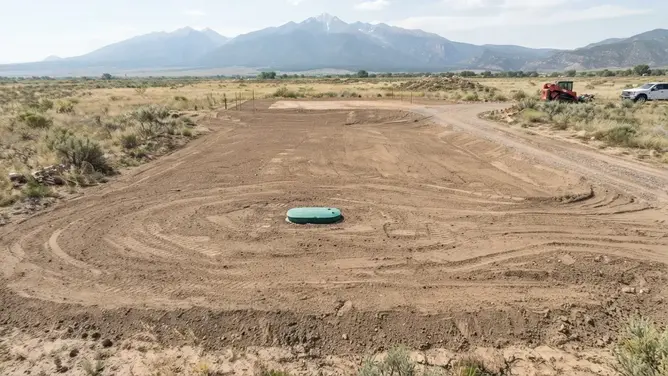
Completed rural septic installation area restored with finished grading and access on a Costilla County property

Septic project completion includes more than the underground system itself, with backfill, finished grades, drainage, access, and the surrounding homesite restored for future use.

Need Septic Backfill, Grading or Site Restoration?

Once the required septic installation and inspection steps are complete, the surrounding property may still need backfill, grading, drainage shaping, access restoration, or preparation for the next phase of construction. We can discuss the earthwork needed to restore the disturbed areas while keeping the finished site compatible with the broader homesite plan.

Call (719) 695-7224

Living With a Septic System on Rural Property in Costilla County

A septic system becomes a permanent part of the property's infrastructure once a rural home, cabin, or other occupied structure is connected to an On-Site Wastewater Treatment System (OWTS). Homeowners and rural property owners need to understand how household water use, wastewater habits, septic maintenance, drainage, access, landscaping, and future construction can affect the long term operation of the system.

Septic ownership does not end when the tank and wastewater treatment system have been installed. The septic tank, wastewater piping, soil treatment area, distribution components, access points, and surrounding site conditions remain part of the property's long term development plan. This becomes especially important on rural Costilla County acreage where owners may continue adding driveways, garages, workshops, fences, outbuildings, utility trenches, parking areas, landscaping, gardens, drainage improvements, solar equipment, or other improvements after the original home or cabin is completed.

Routine septic care also involves more than responding to a backup. Responsible operation generally includes using water efficiently, disposing of household waste appropriately, keeping the soil treatment area protected, maintaining reasonable access to serviceable components, keeping maintenance records, and arranging inspections or pumping when appropriate for the specific system. Maintenance needs can vary depending on the type of system, household size, wastewater use, tank capacity, and site conditions.

Manage Household Water Use

Toilets, showers, sinks, laundry, dishwashers, and other plumbing fixtures all contribute wastewater to the onsite system. Excessive water use over a short period can increase the hydraulic load placed on the system. Using water efficiently and spreading out major water-use activities can help avoid unnecessarily stressing the wastewater system.

This can be particularly relevant for rural homes with private wells, cisterns, or other limited water supplies because the property's water system and wastewater system are closely connected parts of the overall infrastructure.

Be Careful What Goes Down the Drain

Toilets and household drains are not general-purpose disposal systems. Flush only materials appropriate for the plumbing and wastewater system, and avoid introducing fats, oils, grease, harsh chemicals, paints, solvents, and other inappropriate materials into household drains. Food waste and frequent garbage-disposal use can also increase the amount of solids entering a septic tank.

Everyday wastewater habits can affect tank solids, plumbing, treatment components, and the soil treatment area over time. Proper household waste disposal is an important part of maintaining a functioning onsite wastewater system.

Keep Septic Maintenance Records

Keep available records for the septic tank, approved system layout, installation, inspections, pumping, repairs, maintenance, and other service. If the property changes ownership, these records can also help the next owner understand where the system is located and what work has previously been performed.

Knowing the location of the tank, piping, treatment area, inspection points, and other components is especially useful before starting excavation or construction elsewhere on the property.

Plan for Septic Tank Pumping

Septic tanks accumulate solids over time and may require pumping as part of routine system maintenance. Pumping frequency varies according to factors such as household size, wastewater volume, tank capacity, water-use habits, garbage-disposal use, and the amount of solids accumulating in the tank.

Property owners should follow the maintenance needs of the actual system rather than relying on a single universal pumping schedule. Professional inspection can help determine whether pumping or other maintenance is appropriate.

Recognize Septic System Warning Signs

Slow drains, sewage backups, gurgling plumbing, persistent sewage odors, standing water, unusually wet areas, surfacing wastewater, or unusually lush and wet vegetation over part of the wastewater area can indicate that the system needs evaluation.

These conditions should not simply be covered with additional soil, gravel, landscaping, or grading. A suspected wastewater system malfunction should be evaluated by an appropriately qualified septic or wastewater professional.

Protect the Soil Treatment Area

The soil treatment area is an active part of the wastewater system, not unused open ground. Avoid driving, parking, storing heavy materials, or operating heavy equipment over the treatment area unless the applicable system design specifically allows it.

Soil compaction, excessive surface water, construction activity, and inappropriate grading can interfere with the soil treatment process. The treatment area should remain protected as part of the property's permanent wastewater infrastructure.

Do Not Build Over Septic Components

Before constructing a shed, garage, workshop, addition, parking area, driveway, fence, deck, or other improvement, determine where the septic tank, wastewater piping, soil treatment area, and service access points are located.

An area that appears to be unused may still be necessary for wastewater treatment, maintenance access, replacement planning, or other system functions. Future construction should therefore be coordinated with the existing OWTS rather than assuming that open ground is available for development.

Keep Surface Water Away From the System

Roof runoff, driveway drainage, grading changes, irrigation, snowmelt, and natural surface water movement can affect the ground surrounding the wastewater system. Property drainage should be planned so that unnecessary surface water is not concentrated over or toward the soil treatment area.

Drainage improvements elsewhere on the property should also be considered carefully before changing finished grades near septic components. Excess water entering a soil treatment area can interfere with wastewater treatment and affect system performance.

Maintain Access to Septic Components

Septic tanks and other serviceable components need practical access for inspection, pumping, maintenance, and repairs. Before installing a permanent driveway, gate, fence, landscaping feature, parking area, or other improvement, consider how service equipment will reach the tank and other components when maintenance is required.

This is especially important on rural Costilla County properties where long driveways, narrow access routes, gates, unfinished roads, steep terrain, or seasonal conditions can make equipment access more complicated.

Plan Landscaping Around the Wastewater Area

Landscaping over a septic system should be planned with the wastewater system in mind. Avoid introducing trees and deep-rooted vegetation where roots could interfere with septic components, and avoid creating irrigation or drainage patterns that direct excessive water toward the soil treatment area.

The appropriate vegetation and landscaping approach depends on the actual system and site. Ground cover and landscaping should protect rather than interfere with the wastewater treatment area.

Coordinate Future Property Improvements

Rural properties often continue developing long after the original home is completed. Workshops, garages, guest cabins, barns, gardens, additional parking, utility trenches, solar equipment, storage areas, livestock improvements, and other projects should be planned around the existing wastewater system.

Before excavating for a new improvement, identify the septic tank, wastewater piping, soil treatment area, and any other relevant system components. This is particularly important before adding utility trenches or preparing a site for off-grid solar development. Confirm the system layout before starting excavation to help avoid disturbing buried wastewater infrastructure.

Consider Seasonal Rural Conditions

Rural Costilla County properties can experience seasonal changes in weather, ground conditions, surface drainage, and site access. Property owners should consider how snowmelt, saturated ground, runoff, access conditions, and seasonal construction activity may affect the area around the wastewater system.

Heavy equipment should not be casually operated over a soil treatment area, particularly when soils are saturated and vulnerable to compaction. Seasonal conditions can also affect access for septic pumping, inspections, repairs, and other service work.

Protect the Relationship Between Septic & Water Supply

Many rural Costilla County properties rely on private wells or other onsite water arrangements. The location and condition of the wastewater system should therefore remain part of the property's broader water and land development plan.

Property owners should maintain appropriate separation and follow the applicable requirements for wells, wastewater systems, drainage, and other site features. If changes are planned near either system, the applicable requirements should be verified before excavation begins.

Know Where the Septic System Is Located

Rural property owners should know the approximate location of the septic tank, wastewater piping, soil treatment area, distribution components, inspection points, and other accessible system features. Keep the available system records, approved site plan, or other installation documentation with the property's important records.

Knowing where the septic system is located becomes especially valuable before excavation. A landowner planning a driveway, utility trench, fence, shop, garage, addition, drainage project, or landscaping change can use the existing system information to avoid unnecessarily disturbing buried wastewater infrastructure.

Your Septic System Is Part of the Property's Long Term Layout

A properly functioning septic system can become easy to overlook because most of its components are underground. That does not mean the system can be ignored when the property changes. The septic tank, wastewater piping, soil treatment area, distribution components, access points, and surrounding drainage should remain part of the property's long term development plan.

This is particularly important on rural Costilla County acreage where property owners may continue improving the land after the initial home or cabin is completed. A new driveway near San Luis, a workshop outside Blanca, a garage near Fort Garland, utility trenching near San Acacio, additional parking near San Luis Valley properties, or drainage improvements elsewhere on the parcel can create conflicts if the existing wastewater system is not identified first.

Septic planning also matters when a rural property changes ownership. Buyers, sellers, and future owners benefit from knowing where the system was installed, what type of OWTS serves the property, where the tank and soil treatment area are located, and what maintenance or inspection records are available.

Before making substantial changes to a property with an existing OWTS, determine the location of the wastewater components and verify the applicable requirements for the proposed improvement. This is especially important when coordinating house pad preparation, driveway construction, or off-grid property development around an existing system. Septic system maintenance, pumping, repairs, inspections, wastewater system design, and other regulated work should be handled by appropriately qualified professionals and according to the applicable local and state requirements.

For general septic maintenance, property owners should protect the soil treatment area, use water efficiently, dispose of household waste appropriately, maintain inspection and pumping records, and arrange professional inspection and pumping based on the needs of the system. These general practices should be combined with the requirements that apply to the specific OWTS and property in Costilla County.

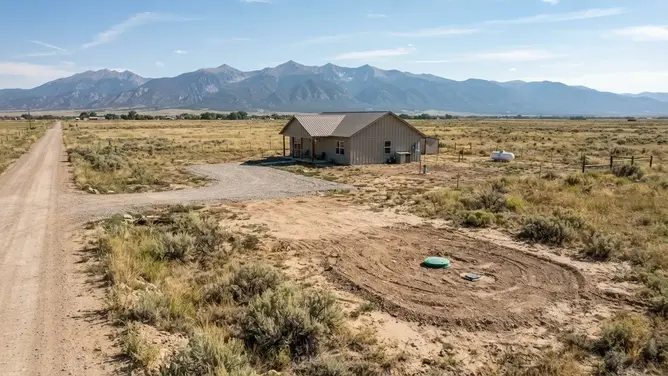
Rural Costilla County home with septic system infrastructure integrated into the surrounding property

An onsite wastewater system remains part of a rural property's long term infrastructure, requiring protection, maintenance access, and coordination with future improvements.

Septic Repair, Replacement & Expansion in Costilla County

Not every septic project starts with vacant land. Existing rural properties in Costilla County may need septic repairs, replacement work, additional excavation, system improvements, or wastewater planning when the property is expanded or its use changes.

Existing septic problems should be evaluated based on the actual system, site conditions, wastewater use, and applicable requirements. Warning signs should not automatically be treated as proof that the tank or treatment area has failed, but they can indicate that evaluation by a qualified wastewater professional is appropriate before additional construction or property improvements proceed.

Slow Drains & Plumbing Problems

Persistent drainage problems can have multiple causes. A septic evaluation can help determine whether the wastewater system should be investigated before assuming the problem is only inside the house.

Surfacing Wastewater

Wet or unusually saturated areas around wastewater infrastructure can warrant prompt evaluation, particularly when accompanied by odors, drainage changes, or other system concerns.

Drainfield & Treatment Area Problems

Persistent wet areas, poor drainage, or other changes around the soil treatment area may indicate that the wastewater system needs further evaluation. Site conditions and the existing system should be considered before planning repair or replacement work.

Older Septic Systems

Older rural properties may have limited records or aging wastewater infrastructure. Understanding the existing system is important before purchasing, remodeling, or expanding the property. Buyers researching undeveloped acreage or an existing rural parcel can also review our guide to buying land in Costilla County and the property planning considerations that can affect future development.

Adding Bedrooms or Structures

A larger home, additional bedrooms, guest quarters, or other changes in property use can increase wastewater demand and require additional septic system planning. Before construction proceeds, review the existing system's permitted capacity, design, and condition to determine whether modifications or an updated wastewater approval may be necessary. Coordinate septic planning with your house pad preparation and overall homesite layout before placing new structures.

Septic Excavation Repairs

Repair projects may involve excavation around existing tanks, piping, treatment areas, or other buried components. Existing utilities and property improvements must be considered before digging. Depending on the project, excavation and site preparation or coordinated utility trenching may be needed for related earthwork. Septic diagnosis, system design, and regulated repairs should be handled by appropriately qualified wastewater professionals.

Tank Damage & Structural Concerns

Damaged, deteriorated, or otherwise compromised tank components may require further evaluation before repair or replacement decisions are made. The appropriate solution depends on the existing system and applicable requirements.

Septic System Replacement

When an existing system requires replacement, the project may involve a new site evaluation, wastewater design, permitting, excavation, installation, inspection, and restoration.

Increased Wastewater Demand

Additional bedrooms, structures, or changes in occupancy can increase wastewater demand. Property owners should determine whether the existing system can accommodate the intended use before connecting new development.

Verify Existing Records

Existing permits, wastewater records, inspection information, and system locations can be valuable when planning repairs, replacement, additions, or a property purchase.

Do Not Build Around a Septic Problem Without Evaluating It

If an existing rural septic system is showing warning signs, evaluate the wastewater situation before placing a new house, addition, garage, driveway, utility trench, or other permanent improvement nearby. Understanding the existing system first can help prevent new construction from making future septic work more difficult.

Costilla County's OWTS application considers factors such as bedrooms, occupants, plumbing fixtures, water source, soil conditions, groundwater, bedrock, slope, and the proposed wastewater system. Those factors can become important when an existing property is being repaired, expanded, or redeveloped.

Professional contractor excavating around an existing septic system during rural repair work in Costilla County

Septic repair and replacement projects can require careful excavation around existing tanks, wastewater piping, treatment areas, utilities, and established property improvements.

Need Excavation for Septic Repair or Replacement?

Existing septic repairs and replacement projects can require careful excavation around tanks, wastewater piping, treatment areas, utilities, driveways, structures, and other established improvements. If your Costilla County property needs excavation, equipment access, tank area preparation, wastewater trenching, backfill, grading, or related earthwork, we can discuss the site preparation portion of the project.

Call (719) 695-7224

Septic Systems for Off Grid Homes, Cabins & Seasonal Property in Costilla County

Rural Costilla County properties are not all used the same way. A full time residence, weekend cabin, seasonal property, homestead, and off-grid home can have different occupancy patterns, water supplies, utility arrangements, and development plans. The wastewater system should therefore be planned around the property's intended use and the applicable Costilla County OWTS requirements rather than assuming that every rural property will operate the same way.

Costilla County's OWTS application asks for information concerning the type of use, bedrooms, persons served, bathrooms, kitchen facilities, appliances, water source, well information, and proposed wastewater system. Those details help demonstrate why the intended use of a rural property matters when planning an onsite wastewater treatment system. Property owners should verify the current requirements that apply to their specific parcel and proposed development before construction.

This is particularly relevant for undeveloped acreage around San Luis, Blanca, Fort Garland, San Acacio, San Francisco, Mesita, Chama, San Pedro, Los Fuertes, Garcia, Jaroso, San Pablo, and other rural areas of Costilla County. A remote parcel may combine a private water source, septic system, solar power, gravel access, a future home or cabin, and additional improvements that all need to fit within the same overall property layout. For owners coordinating these systems as part of a larger project, off grid land preparation can help frame the site work needed for future rural development.

Full Time Rural Homes

A permanent rural residence should be planned around its expected household use, number of occupants, bedrooms, plumbing fixtures, water supply, wastewater system, access, and future improvements. These factors should be established as part of the applicable wastewater planning and system design rather than estimated after construction has already begun.

Seasonal Cabins

Seasonal cabins and vacation properties can have different occupancy patterns from full time residences, but they still require an appropriate wastewater solution for the intended use. Whether the property is occupied on weekends, during certain months, or for longer seasonal periods should be communicated during the wastewater planning process.

Off Grid Homes

Off grid septic planning should be coordinated with the property's broader independent infrastructure. Solar power, battery storage, private water supplies, water storage, wastewater components, electrical routes, access roads, and the building area may all need to fit within the same rural site plan.

Occupancy & Household Use

The number of people expected to use a residence or cabin can affect wastewater planning. Bedrooms, occupants, bathrooms, laundry, kitchen facilities, dishwashers, garbage grinders, and other household characteristics are among the types of information addressed by the Costilla County OWTS application.

Private Wells & Water Sources

Rural properties may rely on a private well, spring, cistern, holding tank, or another water source. If a private well is planned, well drilling and water supply planning should be considered alongside wastewater infrastructure. The water source, septic components, building area, access, and other improvements need to be coordinated according to the applicable requirements for the property.

Remote Property Access

Remote septic projects need practical equipment access during construction as well as reasonable access for future inspection, pumping, maintenance, or service. Long gravel driveways, private roads, gates, narrow access routes, terrain, and undeveloped acreage can all influence how wastewater work is staged on the property.

Rural Homesteading

A homestead may develop gradually rather than all at once. The first phase may include a driveway, cabin, or primary residence, followed later by a workshop, garage, greenhouse, agricultural structure, storage area, or other improvement. Where vegetation must be removed to establish the planned homesite or access route, consider land clearing alongside the wastewater layout. Septic planning should leave the approved wastewater components and usable treatment area compatible with the property's longer term development.

Solar & Utility Coordination

Off-grid properties may require electrical equipment, solar arrays, battery systems, water lines, communications, generators, and other infrastructure in addition to the septic system. Utility corridors should be considered before permanent improvements occupy areas that may be needed for wastewater infrastructure or future service access.

Water Conservation & Wastewater Use

Off grid properties often pay closer attention to water supply and storage, but water conservation should not be confused with eliminating the need for appropriate wastewater planning. Household wastewater still needs to be managed through an appropriate onsite system based on the property's intended use and applicable requirements.

Septic & Homesite Layout

The septic area should be considered before committing the best portion of the property to a home, cabin, driveway, workshop, well, parking area, or other permanent improvement. Coordinating these locations early can reduce conflicts and help make better use of limited practical development space on rural acreage.

Seasonal Property Maintenance

A property that is occupied only part of the year still requires appropriate attention to its wastewater infrastructure. Owners should understand the location of the septic tank and treatment area, retain available system records, maintain necessary access, and address maintenance or wastewater problems rather than allowing an unused seasonal property to conceal developing issues.

Future Rural Development

Additional homes, cabins, workshops, garages, guest accommodations, agricultural buildings, parking areas, utility systems, and other improvements may be added over time. Before expanding a Costilla County rural property, identify the existing wastewater components and determine whether the proposed improvement could affect the septic system, treatment area, access, or required setbacks.

Plan Off-Grid Septic Around the Entire Property

An off-grid septic system should not be treated as an isolated tank installation. On rural Costilla County acreage, the wastewater system may need to coexist with a private well or other water source, solar equipment, battery storage, gravel access, a house or cabin, utility corridors, drainage features, parking, outbuildings, and future improvements. Establishing the overall property layout early can help prevent one improvement from unnecessarily restricting another.

This is especially important for buyers and landowners developing vacant acreage near San Luis, Blanca, Fort Garland, San Acacio, and other rural Costilla County communities. A property can appear to have abundant open space while the practical development area is much more limited once the homesite, access route, water supply, wastewater system, utilities, drainage, and future improvements are considered.

Seasonal cabins and off grid homes also benefit from planning for the property's eventual use rather than only its first construction phase. A simple cabin site may later become a full time residence, homestead, workshop property, or larger rural development. Leaving appropriate space for wastewater infrastructure, service access, utilities, and future improvements can make later development substantially easier to coordinate.

Costilla County Land Services can provide excavation and site preparation support associated with rural wastewater projects, including equipment access, septic excavation, tank area preparation, wastewater trenching, treatment area earthwork, backfill, grading, and related property development work. OWTS design, permitting, inspections, and other regulated wastewater responsibilities should be handled through the applicable County process and appropriately qualified wastewater professionals.

Off-grid rural Costilla County cabin with solar power, private water infrastructure, and space planned for onsite wastewater

Off grid properties require the septic system, water supply, solar equipment, access, homesite, and future improvements to work together within the same rural property layout.

Winter & Seasonal Septic Conditions in Costilla County

Seasonal occupancy and winter conditions can affect how a rural septic system is used, accessed, maintained, and incorporated into the larger property plan. In Costilla County and the San Luis Valley, this can be particularly important for remote acreage, cabins, second homes, off grid properties, and landowners who use an RV during part of the year.

Seasonal wastewater planning should account for the intended occupancy and wastewater use rather than assuming that a property used only part of the year has no septic considerations. Access, private water supplies such as wells or cisterns, wastewater use, drainage, maintenance, and future construction should all be considered when preparing rural property in Costilla County for seasonal use.

Seasonal rural properties in Costilla County can have a different development pattern than a typical full time suburban home. A parcel may begin as vacant land, later receive a driveway and well or cistern, then become a seasonal cabin, RV property, or future full time residence. Buyers evaluating undeveloped acreage can use this Costilla County land buying guide as a starting point for researching the parcel and planning its potential development. Septic planning should account for that progression so the wastewater treatment area, access, water supply, and future homesite remain compatible as the property develops.

  • Plan for Winter Access
    Rural access can become more difficult during winter conditions. Consider whether the septic tank, treatment area, driveway, and other service locations remain reasonably accessible when maintenance, pumping, inspection, or repair is needed. Depending on the existing road conditions, driveway and road grading and gravel delivery may help address access-related site work before seasonal conditions make equipment access more difficult.
  • Seasonal Cabin Use
    Cabins and second homes may experience different occupancy patterns than full time residences. The intended use should be considered when planning wastewater infrastructure and the surrounding homesite.
  • Seasonal Occupancy & Wastewater Use
    A property used for weekends, seasonal stays, or extended summer occupancy may have a different wastewater-use pattern than a full time residence. Septic planning should account for intended occupancy, plumbing use, water supply, and overall wastewater demand.
  • Seasonal RV Use
    RV occupancy should be planned according to applicable Costilla County requirements and the property's actual water and wastewater arrangements. RV use should also be considered alongside the property's longer-term homesite and development plans.
  • Water Supply Coordination
    Seasonal septic planning should be coordinated with the property's private well, cistern, or other water source so the complete rural utility plan remains practical. Water supply and wastewater planning should be considered together when laying out a remote property.
  • Snowmelt & Surface Drainage
    Seasonal changes in surface water and runoff should be considered when planning grades around septic components and other rural improvements. Our grading and leveling services can support surrounding site work, provided changes to finished grades remain compatible with the approved wastewater system and treatment area.
  • Equipment & Service Access
    Septic maintenance, pumping, repairs, or future excavation may require equipment access. Keep service routes practical when planning seasonal improvements, driveways, structures, and other permanent site features.
  • Long Periods of Nonuse
    Properties that are unoccupied for extended periods should have a maintenance plan appropriate to the septic system, water supply, and property's intended use. Seasonal ownership does not eliminate the need to understand the wastewater system and its maintenance needs.
  • Plan Before Seasonal Shutdowns
    Seasonal property owners should understand the maintenance requirements for their specific wastewater and water systems rather than relying on a generic winterization procedure. System specific guidance may be important when a property will remain unused for an extended period.
  • Protect Septic Components During Winter Improvements
    Avoid placing new structures, heavy equipment routes, storage areas, or other permanent improvements where they could interfere with septic components or future maintenance access. Plan construction activity around the wastewater system instead of treating the septic area as leftover space.

Seasonal Use Still Requires Long Term Septic Planning

A cabin, seasonal residence, off grid property, or rural RV property still needs a wastewater plan that works with the water source, access, drainage, maintenance needs, and future development. Seasonal occupancy should be considered during the original property layout rather than treated as an afterthought.

For rural acreage in Costilla County, the septic treatment area should be considered alongside the driveway, homesite, well or cistern, utility corridors, drainage, and future improvements. Planning these elements together can help preserve practical access and avoid placing permanent improvements where they could interfere with wastewater infrastructure later.

Rural Costilla County property with winter snow conditions and maintained access to a septic-served home

Seasonal conditions can affect rural septic access, maintenance, drainage, and construction planning, particularly on remote properties and winter-use cabins.

Need to Improve Rural Access Around Your Septic Property?

Seasonal conditions can make access to remote Costilla County properties more difficult for construction, maintenance, and service equipment. If your property needs driveway grading, access improvements, drainage work, or related site preparation around an existing septic served home or cabin, we can discuss the earthwork needed for the property.

Call (719) 695-7224

Living on Rural Land in an RV While Planning a Septic System

Some Costilla County landowners use an RV while planning a future home, cabin, homestead, or other rural development. When an RV is part of the property plan, water supply, wastewater treatment, access, and the future homesite should be considered together rather than treating the RV as an isolated temporary improvement.

Costilla County has specific requirements for long term RV camping, and temporary RV occupancy associated with home construction may involve a different approval process. Before relying on an RV as part of a rural property plan, consider the applicable occupancy requirements, wastewater system, water source, RV location, access, utilities, and eventual permanent development.

  • Review the Applicable RV Requirements
    Start by determining which Costilla County requirements apply to the intended RV use. Long term RV camping and temporary RV occupancy during home construction are not necessarily the same situation, so property owners should review the applicable County requirements before assuming an undeveloped parcel can be occupied for an extended period.
  • Plan Wastewater for the Intended Use
    An RV still produces wastewater that requires an appropriate disposal method. If the property is intended for long term RV camping, wastewater planning should be addressed before assuming the parcel is ready for occupancy. Applicable onsite wastewater requirements should be confirmed with Costilla County before septic excavation or other site work begins.
  • Plan the Water Supply
    Rural RV use also requires a suitable water source. Depending on the property and intended development, water planning may involve a permitted well, cistern, or another applicable supply. The water source should be considered alongside wastewater planning and the eventual homesite rather than handled as an isolated improvement.
  • Choose the RV Location Carefully
    The easiest place to park an RV may not be the best location for the property's long term development. Consider drainage, terrain, access, utilities, water supply, wastewater infrastructure, equipment movement, and the future building area before establishing the RV site.
  • Prepare Reliable RV Access
    An RV site needs practical access for delivery, placement, arrival, departure, service, and future property work. Driveway conditions, grades, turning space, drainage, and equipment access should be considered before establishing the final RV location or investing in permanent site improvements. Depending on the existing conditions, driveway and road grading or gravel delivery may support the planned access route.
  • Coordinate the RV With the Future Homesite
    If the RV will be used while a permanent home or cabin is planned, its location should be considered alongside the future house pad, septic area, driveway, utilities, water supply, and other permanent improvements. For a property intended for independent rural living, off grid land preparation can also be considered as part of the larger development sequence. A convenient RV location today should not unnecessarily restrict the development plan later.
  • Understand Long Term RV Camping Limits
    Costilla County's current residential development policy includes specific requirements for long term RV camping, including permitting, wastewater, water supply, and occupancy limitations. The County states that long term camping may not exceed 180 days per RV, person, or parcel during a 12 month period and that an RV may not be used as a permanent dwelling. These County requirements should be verified before planning extended RV occupancy.
  • Coordinate Septic Excavation With the RV Site
    Septic excavation may involve tank placement, wastewater piping, treatment areas, equipment access, backfill, and restoration. The work should be considered alongside the RV location, future house pad, driveway, utilities, grading, drainage, and other improvements so that temporary occupancy does not interfere with permanent infrastructure.
  • Plan Off-Grid Utilities Together
    An RV may be the first occupied improvement on a property that will eventually use solar power, water storage, utility trenches, a well, septic infrastructure, and a permanent structure. Planning these improvements together can help preserve practical utility corridors, equipment access, and usable space for future development.
  • Leave Access for Future Maintenance
    Septic systems, wells, driveways, utility infrastructure, and other rural improvements require practical access for inspection, maintenance, pumping, repairs, equipment, and future construction. Even if the RV is only part of the property's early development phase, its location should leave room for the permanent infrastructure that will follow.

RV Living Should Be Planned as Part of the Property

An RV may be part of a rural property's development sequence, but it still needs to fit within the applicable land use, water, wastewater, access, and site planning requirements. If you plan to stay on the property while developing a future homesite, consider the RV location, septic area, water supply, driveway, utilities, drainage, and eventual building site together from the beginning.

For Costilla County properties, confirm the current requirements that apply to the intended RV use before making major site development decisions. If the property will eventually support a house, cabin, or off grid homesite, treating the RV phase as one step in the larger development sequence can help keep temporary improvements compatible with the permanent property plan.

RV parked on rural Costilla County acreage with gravel access and space planned for future homesite and septic infrastructure

RV living on rural acreage should be planned alongside the future homesite, water supply, wastewater system, access, and other permanent property improvements.

Coordinating Septic With the Rest of Your Costilla County Property

Septic installation rarely happens in isolation on an undeveloped rural parcel. The wastewater system often has to be coordinated with the same excavation, access, grading, water, utility, drainage, and building work required to make the property usable. Coordinated excavation and site preparation can help address equipment access, tank area excavation, related earthwork, backfill, and restoration while accounting for the property's other permanent improvements.

This becomes especially important on undeveloped Costilla County acreage. A property may eventually need a home or cabin, driveway, private well, utility corridors, drainage improvements, gravel areas, solar equipment, outbuildings, and other rural infrastructure. Each improvement occupies space and can affect access, finished grades, excavation routes, drainage, or the areas needed for wastewater treatment and maintenance.

House Pad

The building pad and wastewater layout should be considered together so finished elevations, drainage, access, wastewater space, and the future building location work as part of the same homesite plan. Septic requirements should be established before major earthwork permanently commits the property's development area.

House Pad Preparation

Driveway & Road Access

Construction equipment needs practical access to the septic work area, while future pumping, inspection, maintenance, or repairs may also require service access. Driveway alignment, gates, turning areas, and finished grades should be considered before permanently restricting access to wastewater components.

Driveway & Road Grading

Water Well

Water supply and wastewater disposal should be coordinated during property planning rather than treated as two unrelated projects. Private wells, septic systems, homesites, drainage, and other site features need to be evaluated together so their locations remain compatible with applicable requirements.

Water Well Drilling

Utility Trenching

Electrical, communications, water lines, and other underground utilities should be routed with the wastewater system in mind. Coordinating utility corridors early can reduce unnecessary crossings, excavation conflicts, and disturbance of the septic tank, wastewater piping, or soil treatment area.

Utility Trenching

Grading & Drainage

Finished grading should remain compatible with the wastewater system and surrounding drainage pattern. Surface water should not be unnecessarily concentrated over the soil treatment area, while surrounding grades should continue to support practical property drainage.

Land Grading & Leveling

Off Grid Development

Septic can be one component of a larger independent-property development plan involving private water, solar power, battery storage, access, utility corridors, a home or cabin, and future improvements. The wastewater system should have a defined place within that larger rural development layout.

Off Grid Land Development

Gravel & Construction Access

Rural septic work may require equipment, materials, tank deliveries, aggregate, and other construction traffic to reach the property. Gravel access roads and construction entrances should be planned so equipment can reach the wastewater work without unnecessarily disturbing protected treatment areas.

Gravel Delivery

Excavation & Site Preparation

Septic excavation can involve tank areas, wastewater trenches, treatment area earthwork, access preparation, backfill, and restoration. Coordinating this work with other excavation on the property can help reduce repeated equipment mobilization and unnecessary disturbance.

Excavation & Site Preparation

Land Clearing

Vegetation clearing may be necessary before portions of a rural property can be developed, but clearing should be based on the actual homesite and wastewater layout. Trees, brush, roots, access routes, and protected areas should be considered before equipment begins disturbing the property.

Land Clearing

Future Utility & Improvement Corridors

Rural properties frequently develop in stages. Future water lines, electrical service, communications, workshops, garages, cabins, or other improvements may require additional excavation. Leaving practical corridors between permanent improvements can help reduce conflicts with the existing wastewater system.

Utility Trenching

Future Home & Cabin Development

A property that begins as vacant acreage may eventually become a permanent residence, seasonal cabin, homestead, or larger rural development. Septic planning should account for the intended homesite and known future improvements so the wastewater system does not unnecessarily restrict later development.

House Pad Preparation

Rural Property Infrastructure

Septic is one piece of a larger rural infrastructure network. Access, water, wastewater, electrical service, communications, drainage, buildings, storage, parking, and off-grid systems all compete for practical space on an undeveloped parcel. Considering these systems together can create a more workable long term property layout.

Off-Grid Land Development

Think of the Septic System as Part of the Complete Homesite Plan

A septic tank and soil treatment area should not be treated as an isolated improvement placed wherever there happens to be open ground. On rural acreage, the wastewater system interacts with the home or cabin, water supply, driveway, utilities, drainage, grading, access, vegetation, and future improvements.

Planning these elements together can help avoid situations where a newly constructed driveway blocks service access, a utility trench crosses an existing wastewater component, grading redirects water toward the treatment area, or a future workshop occupies space that needs to remain available for the wastewater system.

This coordinated approach is particularly useful for rural properties around San Luis, Blanca, Fort Garland, San Acacio, San Francisco, Mesita, Chama, San Pedro, Los Fuertes, Garcia, Jaroso, San Pablo, Viejo San Acacio, and surrounding Costilla County communities. Undeveloped acreage may require several phases of work before the property becomes a functioning homesite.

Costilla County Land Services can provide excavation and site preparation support associated with rural wastewater projects, including equipment access, septic excavation, tank area preparation, wastewater trenching, treatment area earthwork, backfill, grading, and related property development work. Regulated OWTS design, permitting, inspections, and other wastewater responsibilities should be handled through the applicable County process and appropriately qualified professionals.

Rural Costilla County property with house pad, gravel access, water infrastructure, and coordinated space for septic and future development

Rural septic planning works best when the wastewater system is coordinated with the homesite, driveway, water supply, utilities, grading, drainage, and future property improvements.

Planning Multiple Improvements on Your Costilla County Property?

If your rural property needs septic excavation along with a house pad, driveway, grading, utility trenching, land clearing, gravel, well related site work, or off-grid improvements, planning the earthwork together can help reduce conflicts between projects. We can discuss the site preparation work needed to move your rural development project forward.

Call (719) 695-7224

What to Check Before Buying Rural Land in Costilla County

A beautiful rural parcel is not automatically a buildable homesite. Before buying land with plans for a house, cabin, homestead, or off grid development, wastewater feasibility should be considered alongside water, access, utilities, drainage, and the proposed building location. Our Costilla County vacant land buying guide provides a related starting point for evaluating rural acreage and planning for future property improvements.

An undeveloped parcel may look ideal on a map while presenting practical limitations once the future homesite, wastewater treatment area, water supply, driveway, utilities, and other improvements are considered together. Two properties with similar acreage can have very different development possibilities depending on site conditions, existing infrastructure, access, and the intended use of the land.

  • Existing Septic Records & System Information
    If the property already has an onsite wastewater system, ask for available permits, system information, inspection records, repair documentation, and site plans. Knowing what is already installed can help prevent future construction or grading work from interfering with existing septic components.
  • Future Homesite & Wastewater Area
    Do not choose a house, cabin, or homestead location without considering where the wastewater system and related components may need to be accommodated. The preferred building site, treatment area, driveway, utilities, and other permanent improvements should be considered as parts of the same overall homesite plan.
  • Soil, Groundwater, Bedrock & Slope
    Soil conditions, groundwater, bedrock, slope, drainage, and the amount of usable treatment area can all affect wastewater planning. These conditions should be evaluated through the applicable site and permitting process rather than assuming that parcel size alone establishes septic feasibility.
  • Water Supply & Septic Separation
    Determine how the property will receive water through a well, cistern, community supply, or another applicable source. Water supply planning and wastewater planning should be considered together, including the applicable separation requirements and final locations established through the appropriate design and permitting process.
  • Access for Installation & Future Maintenance
    Consider whether equipment can reach the proposed wastewater work area and whether practical access will remain available for pumping, maintenance, inspection, repairs, and related site work. A remote portion of a large parcel may look suitable on paper but still present access challenges during construction or future service.
  • County Requirements & Overall Site Layout
    Review the wastewater permitting requirements that apply to the property and intended use before committing to major site work. Septic planning should be considered alongside the house pad, driveway, utilities, drainage, water supply, grading, and future improvements so that one project does not unnecessarily restrict another.

Acreage Alone Does Not Establish Septic Feasibility

A large parcel can still have a limited practical development area once the homesite, wastewater system, water supply, access, terrain, drainage, and other improvements are considered together. Before purchasing rural Costilla County property, a parcel-level review of wastewater conditions and the intended development plan can provide a much better understanding of what the land may require.

Rural Costilla County acreage being evaluated for a future homesite, water supply, septic system, access, and property development

Rural land due diligence should consider wastewater feasibility alongside the future homesite, water supply, access, terrain, drainage, and other property infrastructure.

What to Prepare Before Requesting a Septic Quote in Costilla County

The more information available about a rural property, the easier it is to understand the likely excavation, access, wastewater, and site preparation requirements. For undeveloped acreage in Costilla County and the San Luis Valley, a useful septic project discussion should consider the intended property use, water supply, future homesite, access, site conditions, and related rural development work.

Before discussing septic installation support or related excavation, gather whatever information is available about the parcel, proposed homesite, water source, existing structures, access, and wastewater system. Not every property will have all of these items, especially vacant rural land, but available information can help identify the likely scope of the project and potential site planning issues.

  • Property Location & Parcel Information
    Provide the property address, parcel information, or a clear location for the rural acreage so the project area, surrounding development, and equipment access can be understood.
  • Intended Property Use
    Identify whether the property will support a full time home, cabin, seasonal residence, RV use, homestead, off grid property, or another rural development. Intended use can affect the wastewater planning discussion.
  • Bedrooms & Expected Occupancy
    Provide the planned number of bedrooms and expected occupancy when known. Residential wastewater planning should account for the intended use of the property rather than looking only at the septic excavation.
  • Water Source
    Identify whether the property has a permitted well, cistern, community water, or another planned water source. The relationship between the water supply and wastewater system should be considered as part of the overall rural homesite layout.
  • Driveway & Site Access
    Describe the existing driveway, private road, access conditions, grades, and any limitations that could affect septic equipment, excavation, material delivery, or restoration.
  • Future Homesite & Property Layout
    If a building location has already been selected, provide the proposed house or cabin area so the wastewater treatment area can be considered alongside the homesite, driveway, utilities, water supply, drainage, and future improvements.
  • Soil & Site Evaluation Information
    Provide any available soil, percolation, groundwater, bedrock, slope, or wastewater evaluation information. Known site conditions can help identify excavation considerations, although the applicable wastewater evaluation and system design should be completed through the required professional and County process.
  • Plumbing Fixtures & Wastewater Use
    When known, identify bathrooms, kitchens, laundry, dishwashers, garbage grinders, and other planned wastewater producing fixtures. These details can help describe the property's intended wastewater use when discussing the project.
  • Existing Septic Records
    For properties with an existing system, provide available permits, inspection records, system locations, pumping records, or other wastewater documentation. Existing records can be especially useful when planning repairs, replacement, expansion, or additional construction.
  • Other Planned Site Work
    Mention any related house pad preparation, driveway improvements, land clearing, grading, utility trenching, well related work, gravel delivery, drainage, solar, or other infrastructure that may need to be coordinated with the septic project. Sharing the broader project scope early can help identify access requirements, overlapping earthwork, and potential conflicts between planned improvements.

Septic Quotes Are Easier to Understand When the Whole Property Is Considered

Septic excavation rarely exists completely by itself on a rural development project. If the property also needs a driveway, house pad, well, utility trenching, clearing, grading, drainage, gravel, or off-grid infrastructure, providing that information early can help the project be evaluated as part of a complete homesite rather than as one isolated excavation.

For Costilla County acreage, early planning can also help identify potential conflicts between the wastewater treatment area, future structures, private water supply, access routes, utility corridors, and drainage. The goal is to understand the property layout before permanent improvements make future wastewater work more difficult.

Costilla County Land Services can discuss the excavation and site preparation portion of a septic project and coordinate related rural development work. Applicable wastewater evaluation, system design, permitting, inspections, and regulated installation requirements should be handled through the appropriate County process and qualified wastewater professionals.

Rural property owner and contractor reviewing a proposed septic project area on undeveloped Costilla County acreage

Before requesting septic excavation support, review the property layout, access, water supply, proposed homesite, site conditions, and related development work.

Ready to Discuss Your Septic Site Work?

Have the property location, proposed homesite, access information, water source, available wastewater records, and other project details ready? We can discuss the excavation and site preparation portion of your Costilla County septic project, including equipment access, tank area excavation, wastewater trenching, treatment area earthwork, backfill, grading, and related rural site work.

Call (719) 695-7224

Septic System Installation Costs in Costilla County, Colorado

Septic system costs in Costilla County depend on the property, proposed wastewater system, site conditions, excavation requirements, treatment area, access, and related site preparation. A straightforward rural homesite near San Luis, Blanca, or Fort Garland may have a very different project scope than a remote parcel requiring extensive excavation, access improvements, clearing, or grading.

The septic tank is only one part of the overall project. Soil conditions, slope, groundwater, bedrock, available treatment area, wastewater design, piping, excavation, equipment access, backfill, restoration, and required inspections can all affect the total investment. Costs can also increase when septic work is coordinated with a house pad, driveway, well, utility trenching, drainage, or off-grid development.

Typical Costilla County Septic Project Investment Ranges

Septic Site Evaluation & Planning

$1,000 to $3,000+

Early septic planning may include site evaluation, soil investigation, percolation testing, preliminary system planning, and coordination with the proposed homesite. Professional design, testing, and permitting costs vary by project.

Basic Septic Installation

$8,000 to $15,000+

A straightforward rural septic project may include tank installation, wastewater piping, treatment area preparation, excavation, backfill, and related site work. Final costs depend on the approved system and actual property conditions.

Septic Excavation & Site Preparation

$5,000 to $15,000+

Septic excavation may include tank excavation, wastewater trenches, treatment area preparation, equipment access, material movement, backfill, and restoration. Difficult ground conditions can increase the scope.

Difficult Soil, Rock & Ground Conditions

$10,000 to $25,000+

Rocky ground, shallow bedrock, groundwater concerns, significant slopes, or other site constraints can require additional excavation, equipment time, material handling, or changes to the wastewater development approach.

Septic & Rural Access Preparation

$10,000 to $25,000+

Remote properties may require driveway or construction access work before septic equipment can reach the tank and treatment areas. Grading, drainage, staging, and equipment mobilization can add to the overall project cost.

Complete Rural Septic Site Development

$20,000 to $50,000+

Larger rural projects may combine septic work with house pad preparation, driveway construction, clearing, grading, drainage, well related site work, utility trenches, and off-grid development.

What affects septic system installation costs? Proposed wastewater system, site evaluation, soil conditions, percolation testing, slope, groundwater, bedrock, treatment area requirements, tank size, piping, excavation, equipment access, mobilization, clearing, grading, material, backfill, restoration, access improvements, permitting, inspections, and related homesite infrastructure can all influence septic costs in Costilla County.
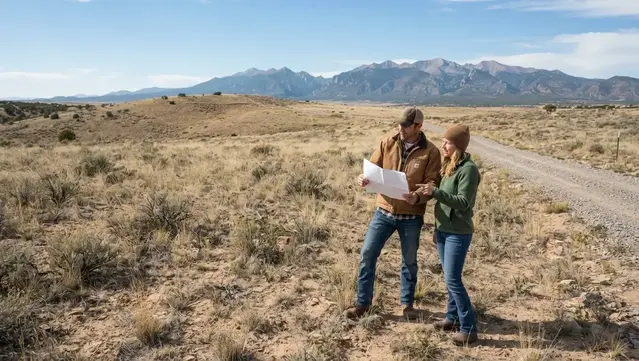
Septic System & OWTS Service Area Throughout Costilla County

We provide septic system installation support, OWTS site preparation, septic excavation, and rural wastewater development support throughout Costilla County, Colorado. Our services are intended for rural landowners, homesteaders, future homeowners, cabin owners, ranch and agricultural property owners, and off grid property owners who need to plan or prepare wastewater infrastructure for a residence, cabin, workshop, or other rural improvement. Projects can include septic excavation, tank installation preparation, wastewater system site work, treatment area preparation, septic related grading, access preparation, and coordination with larger rural land development projects.

  • San Luis, CO
  • Blanca, CO
  • Fort Garland, CO
  • San Acacio, CO
  • San Francisco, CO
  • Mesita, CO
  • Chama, CO
  • San Pedro, CO
  • Los Fuertes, CO
  • Garcia, CO
  • Jaroso, CO
  • San Pablo, CO
  • Viejo San Acacio, CO
  • Surrounding Rural Communities

Septic requirements and site conditions can vary substantially from one Costilla County property to another. A rural homesite may require a complete wastewater system for a new residence, while another property may involve an existing system, system replacement, expansion, repair, or preparation for a future cabin or off grid development. Property layout, soil conditions, groundwater, bedrock, slope, water supply, available space, access, and the intended use of the property can all affect how wastewater infrastructure fits into the overall development plan.

Septic work can also be part of a much larger rural property development project. A future homesite may require excavation and grading for the house pad, driveway and construction access, a private well, utility trenching, gravel placement, and other site work in addition to wastewater infrastructure. Coordinating these projects can help establish the septic system without creating conflicts with permanent improvements. Whether you are preparing a homesite near San Luis, developing acreage near Blanca or Fort Garland, planning a rural cabin near San Acacio, or working on a more remote off grid property, the goal is to integrate wastewater infrastructure into the property's actual long term development plan.

Septic System Installation FAQs for Costilla County, Colorado

Septic installation on rural property involves much more than excavating a hole and placing a septic tank. The wastewater system needs to be planned around the property's soil and site conditions, proposed development, available space, water supply, access, drainage, and applicable requirements. These answers cover common questions about septic installation, site evaluation, septic tanks, drainfields, soil treatment areas, excavation, permitting, wells, off grid properties, project costs, and rural land development throughout Costilla County.

What is a septic system?
A septic system is an onsite wastewater treatment system used where a property is not connected to a public sanitary sewer system. A typical system may include a septic tank, wastewater piping, and a soil treatment area or other approved treatment and dispersal components. The exact configuration depends on the property's conditions, the proposed wastewater flow, the system design, and applicable requirements.
Do rural properties in Costilla County need a septic system?
Properties without access to a public sewer system may need an approved onsite wastewater treatment system for wastewater generated by a home, cabin, or other permitted use. Whether a particular property requires septic and what type of system is appropriate depends on the property's development plans and applicable wastewater requirements.
Can I install a septic system on vacant land in Costilla County?
Vacant land can potentially be developed with an onsite wastewater system, but septic feasibility should be evaluated before assuming that a particular homesite will support a specific system. Site conditions, available space, proposed development, wastewater requirements, and applicable permitting and design requirements all need to be considered before installation.
What should I do before installing a septic system?
Start by determining how the property is intended to be developed and where the home, cabin, private well, driveway, utilities, and wastewater system may be located. The applicable site evaluation, system design, permitting, and approval requirements should be addressed before major excavation begins. Establishing the overall property layout early can help identify conflicts and preserve space for the wastewater system.
How do I know if my Costilla County property can support septic?
Septic feasibility depends on the actual property rather than acreage alone. Soil and site characteristics, slope, drainage, groundwater considerations, available area, proposed wastewater flow, existing improvements, and the applicable system requirements can all affect whether and how an onsite wastewater system can be installed. A proper site evaluation and system design are needed to determine the appropriate approach for a specific property.
Does the size of my property determine whether I can have septic?
Acreage is only one consideration. A larger parcel can still have site constraints, while a smaller parcel may have a workable design depending on its specific conditions and applicable requirements. The available area for the wastewater system, proposed building location, well, property layout, soil and site conditions, and required setbacks or separations all need to be considered together.
What factors affect where a septic system can be installed?
The location can be affected by the proposed building, property boundaries, soil and site conditions, slope, drainage, groundwater considerations, wells, surface water, driveways, utilities, existing structures, available space, and applicable separation or setback requirements. The wastewater system should be planned as part of the overall property layout rather than selected independently.
How does soil affect septic installation?
Soil is an important part of onsite wastewater treatment because the soil treatment area depends on the site's ability to receive and treat wastewater according to the approved system design. Soil characteristics, restrictive layers, moisture conditions, rock, slope, and other site factors can affect the system type, layout, excavation, and installation approach.
Can septic be installed on sloped rural property?
A sloped property does not automatically mean septic is impossible, but slope can affect system layout, elevations, wastewater distribution, excavation, drainage, and other aspects of the project. The appropriate solution depends on the actual site and the approved system design rather than a simple acreage or slope rule.
Can septic be installed on rocky or difficult ground?
Difficult excavation conditions can affect how a septic installation is constructed and may influence project scope and cost. Rock, restrictive layers, limited access, slope, and other site conditions should be evaluated as part of the project planning. The excavation approach depends on the actual conditions encountered and the requirements of the approved system.
What is a septic tank?
A septic tank is a component of an onsite wastewater treatment system that receives wastewater from the building and provides primary treatment before wastewater moves to the next stage of the system. Tank size, configuration, placement, connections, access, and installation requirements depend on the specific system design and project.
What is a drainfield?
A drainfield is a common term for the soil treatment area where wastewater leaving the septic tank is distributed for treatment in the soil. Not every system uses an identical configuration, and the size, layout, distribution method, and installation requirements depend on the approved wastewater system design and site conditions.
What is a soil treatment area?
The soil treatment area is the portion of an onsite wastewater system where wastewater is distributed for treatment through the soil. Its location and design depend on the site's characteristics and the approved wastewater system. Protecting this area from unnecessary disturbance, compaction, drainage problems, and incompatible future development is important after installation.
Does septic installation require excavation?
Yes. Physical septic installation can involve excavation for the septic tank, wastewater piping, soil treatment area, distribution components, pump components where applicable, and other system infrastructure. Excavation requirements depend on the approved system design, site conditions, equipment access, and the construction approach.
Can septic excavation be coordinated with other site work?
Yes. Septic excavation may be coordinated with house pad preparation, grading, driveway construction, utility trenching, drainage work, well development, and other rural site improvements. The sequence should be based on the overall development plan so one phase does not unnecessarily interfere with another.
Should I plan my septic system before building my house?
Septic planning should generally be considered before the final homesite layout and major construction are established. The location of the home, septic system, well, driveway, utilities, drainage, and future improvements can affect one another. Establishing the wastewater plan early can help avoid placing permanent improvements where they could conflict with the system or its required area.
Should the well and septic system be planned together?
Yes. Rural properties often depend on both a private well and an onsite wastewater system, so their locations should be considered together. Applicable separation requirements and the overall property layout need to be evaluated when establishing where the well, septic system, home, driveway, and other infrastructure will be located.
Can septic be installed near a house pad?
The septic system and house pad should be planned together, but the appropriate relationship between them depends on the specific property, system design, site conditions, and applicable requirements. The proposed building location, finished elevations, wastewater flow path, drainage, and available area should all be considered before the final site layout is established.
Can a septic system be installed near a driveway?
Driveways and septic systems should be considered together during site planning. Equipment needs access during installation, and the completed wastewater system may require ongoing access for maintenance or inspection. The driveway layout should also avoid creating unnecessary traffic or drainage problems around the soil treatment area.
Does drainage matter when planning a septic system?
Yes. Surface water drainage is an important consideration around an onsite wastewater system. Roof runoff, driveway drainage, natural drainage patterns, grading, and other sources of surface water should be considered so excess water is not unnecessarily directed toward areas intended for wastewater treatment.
Can septic be installed in a flood-prone area?
Floodplain and flood-related conditions can affect wastewater system planning and may introduce additional site and regulatory considerations. A property should be evaluated for applicable floodplain, drainage, elevation, and wastewater requirements before a septic location is selected. The appropriate approach depends on the specific property and applicable requirements.
Do I need a septic permit in Costilla County?
Onsite wastewater installations are subject to applicable Colorado and local requirements, and a project may require permitting and review before construction. The exact requirements depend on the property, proposed use, system design, and applicable authority. Permit and approval requirements should be confirmed for the specific project before installation begins.
Who designs the septic system?
Septic system design is a separate technical function from excavation and earthwork. Depending on the project, a qualified wastewater system designer, engineer, or other appropriately authorized professional may be involved. The design should establish the system configuration and requirements that the installation work will follow.
Does septic installation require an inspection?
Required inspections depend on the applicable wastewater regulations and the specific project. Where inspections are required, the installation needs to be coordinated so the applicable authority can review the work at the required stage before portions of the system are covered or otherwise become inaccessible.
How long does septic installation take?
There is no single installation timeline for every rural property. Project duration can depend on the system design, permitting and inspection schedule, excavation conditions, equipment access, weather, tank and material availability, site preparation, and the complexity of the wastewater system. A straightforward accessible installation can have a very different timeline from a more involved rural development project.
How much does septic installation cost in Costilla County?
Septic installation costs vary substantially from property to property. Major factors can include the system type, design requirements, excavation conditions, tank and component requirements, soil treatment area, pumping or distribution components where applicable, property access, site preparation, permitting and professional services, and final restoration. A property specific estimate is more useful than a single countywide price.
What can make a septic installation more expensive?
Difficult excavation, rock, limited equipment access, long wastewater piping runs, challenging grades, additional site preparation, pumping requirements, more complex treatment or distribution systems, extensive restoration, and other property specific conditions can increase the project scope. The system design and applicable requirements are also important cost factors.
Is septic installation priced by the acre?
Septic installation is generally not something that can be accurately priced using a simple per-acre formula. A large parcel may have a relatively straightforward installation area, while a smaller property can have significant site constraints. System design, excavation, components, access, soil and site conditions, and project requirements are more meaningful factors when determining the actual scope.
Can septic be installed for an off grid home or cabin?
Yes, an off-grid home or cabin may use an onsite wastewater system when the property and proposed use can support an approved system. Off-grid development does not eliminate wastewater requirements. Septic planning should be coordinated with the private well or water source, solar or other power systems, house location, driveway, and the rest of the property's infrastructure.
Can septic installation be part of a larger rural land development project?
Yes. Septic installation is often one phase of a larger project that may include land clearing, excavation, grading, driveway construction, house pad preparation, well development, utility trenching, site development, and other improvements. Coordinating these phases early can help establish a more practical construction sequence and reduce unnecessary rework.
Can an existing septic system be replaced?
Existing septic systems can sometimes be repaired, modified, or replaced depending on the condition of the system, the property, the proposed wastewater use, and applicable requirements. A failing or outdated system should be evaluated before deciding whether replacement or another corrective approach is appropriate.
What are signs that an existing septic system may have a problem?
Potential warning signs can include sewage backups, slow drainage, unusually wet or saturated areas around the wastewater system, sewage odors, unusually lush vegetation over part of the system, or wastewater surfacing at the ground. These symptoms can have different causes, so suspected septic problems should be evaluated rather than assuming that a particular component has failed.
Can heavy equipment drive over a septic system?
Heavy equipment and unnecessary vehicle traffic should not be treated as harmless around septic components or soil treatment areas. Equipment traffic can damage buried components or compact soil where wastewater treatment depends on suitable soil conditions. Construction access and future property improvements should therefore be planned around the completed wastewater system.
What should I avoid building over a septic system?
The wastewater system and its required treatment area should be protected from incompatible future construction, excessive traffic, structures, and drainage changes. Before adding a driveway, shed, addition, outbuilding, pool, landscaping feature, or other improvement, the existing septic layout and required protected areas should be considered.
What information should I provide when requesting a septic estimate?
Useful information includes the Costilla County property location, acreage, intended use, proposed number of bedrooms or occupants, planned home or cabin location, existing or proposed well, driveway and access conditions, photographs, available site plans, known soil or site information, and whether the property is intended for off-grid development. Any existing septic records or previous site evaluations can also help define the project scope.
Can you help with the excavation portion of a septic installation?
Septic installation can involve substantial excavation and earthwork, including tank excavation, wastewater piping, soil treatment area preparation, access, backfill, and related site work. The exact scope depends on the approved system and project responsibilities. Septic design, permitting, inspections, and specialized components should be handled by the appropriately qualified parties for the project.
What should I do if I am buying rural land and want to build later?
Septic feasibility is worth considering before committing to a final homesite or development plan. If the property will eventually have a home, cabin, well, driveway, utilities, and other improvements, thinking about wastewater treatment early can help determine how the property should be organized. A septic evaluation should be considered alongside the broader due diligence and development process rather than after all major site decisions have already been made.

Ready to Plan Your Costilla County Septic Project?

Whether you are preparing a new homesite, cabin, rural residence, workshop, or off grid property, septic planning should account for the property's intended use, available space, site conditions, water supply, access, and applicable Costilla County requirements. Costilla County Land Services provides septic excavation, OWTS site preparation, tank installation support, wastewater treatment area preparation, and coordination with related rural land development work. If your project also requires excavation, grading, driveway preparation, utility trenching, well related site work, drainage improvements, or house pad preparation, let us know when discussing the property so the wastewater work can be considered as part of the larger homesite plan.

Call (719) 695-7224